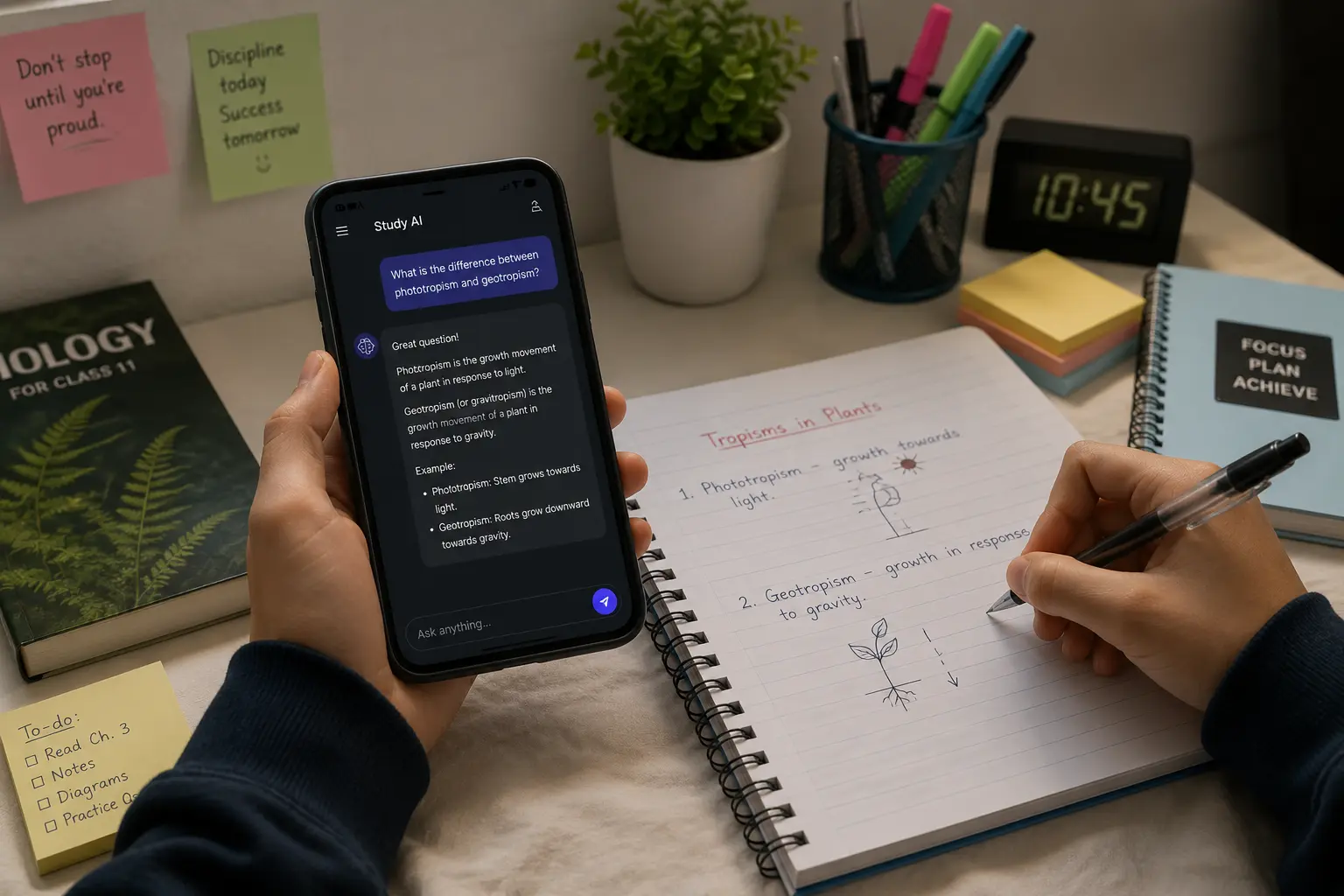
Nearly 85 percent of students in Grades 9 to 12 are already using AI tools as part of their schoolwork, according to a recent survey across North India. That number would have sounded unlikely just a few years ago.
Today, it is close to the norm. How AI is changing the way Indian students study goes beyond just using a chatbot for homework answers.
It touches how concepts get explained, how teachers plan lessons, and how millions of students prepare for exams like JEE and NEET. The shift is real, but it comes with a real gap too.
Quick Answer: Artificial intelligence is changing Indian education through wider student and teacher adoption, from concept explanations to lesson planning. Most students use tools like ChatGPT daily, but a real skills gap remains between using these tools and using them well.
How Widely Are Indian Students Actually Using AI
The numbers point to fast, broad adoption. A recent survey across North India found:
- 34% of students use these tools to understand complex topics
- 27% use them for general research
- 13% use them to complete homework assignments directly
- Roughly half of private-school students in Delhi use generative AI tools multiple times a week, mostly for searching information and getting writing help
This is not a small experiment anymore. It is becoming a daily study habit for a large share of Indian students.
Gen AI Adoption in Higher Education Across India
The shift is not limited to schools. A 2025 survey by FICCI, EY, and Parthenon looked at 30 leading Indian higher education institutions and found that 57 percent already have a formal policy on this technology in place.
Another 40 percent are working on one. On the ground, this shows up in real practice.
| What Institutions Are Doing | Share Using It |
| Using generative tools to build learning materials | 53% |
| Running smart tutoring systems and chatbots | 40% |
| Using adaptive learning platforms | 39% |
| Using automated grading and plagiarism checks | 38% |
Gen AI adoption in higher education India is no longer just about students experimenting on their own. Colleges and universities are building it into how they teach and manage coursework.
Students Using ChatGPT for Studying: What It Looks Like in Practice
For most students, using these tools does not mean asking for a final answer and copying it down. It means using something like ChatGPT the way they would use a study partner.
Students commonly ask a chatbot to explain a tough physics or chemistry concept in simpler words. Others use it to break down research papers or long chapters into summaries they can actually revise from.
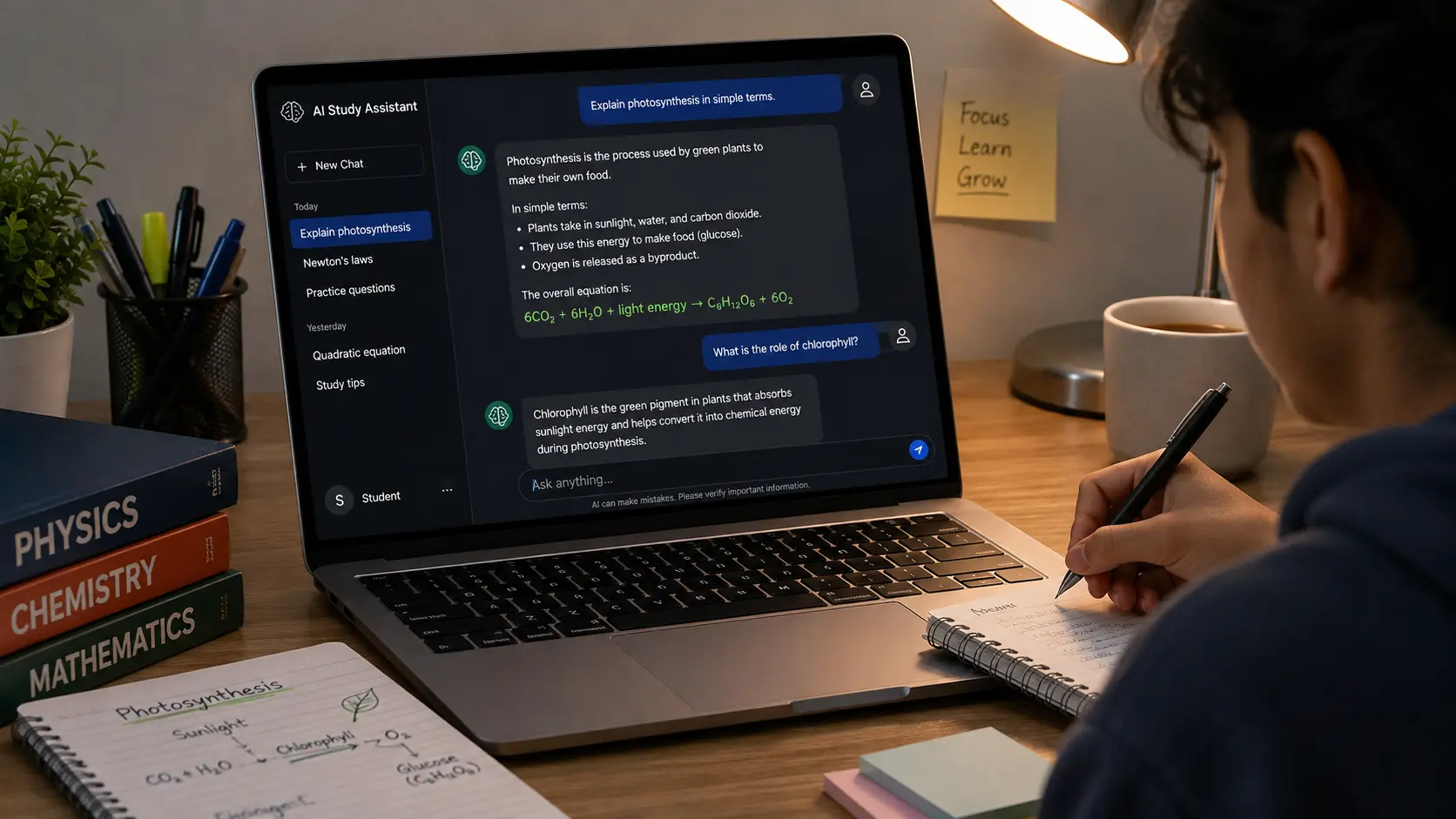
Writing help is another common use. Many students turn to these tools to check grammar, tighten essays, or get feedback on structure, especially students writing in English as a second language. Used this way, the technology works more like a tutor than a shortcut.
The Access Gap AI Can’t Fix Alone
None of this reaches every student equally. India’s language diversity is a real barrier, and some national programs are now using this technology to translate school textbooks into all 22 official Indian languages.
That means a student in a small town can get the same physics or math content as a student in a big city, in a language they actually understand. These tools are also opening doors for students with disabilities.
Tools with text-to-speech, speech-to-text, and image-to-text features let visually or hearing-impaired students learn at their own pace. Some schools now use similar tools to spot early signs of learning difficulties like dyslexia, before a student falls too far behind.
None of this matters much without basic infrastructure. Only a small fraction of India’s 1.5 million schools actually have a working computer lab, let alone stable internet.
A smart study tool is useless without a device to run it on. Without real investment in this basic access, this shift risks making the gap between well-funded city schools and under-resourced rural ones even wider, not smaller.
Teachers Using AI for Lesson Planning
Students are not the only ones adopting these tools. A 2025 survey by the Centre for Teacher Accreditation found that over 70 percent of Indian teachers already use some form of this technology.
Among teachers with more than three years of experience, that number rises to about 75 percent. The most common use is not grading or lecturing.
About 60 percent of teachers use these tools mainly for lesson planning, saving hours that used to go into building material from scratch. Another 26 percent use them to generate classroom activity ideas.
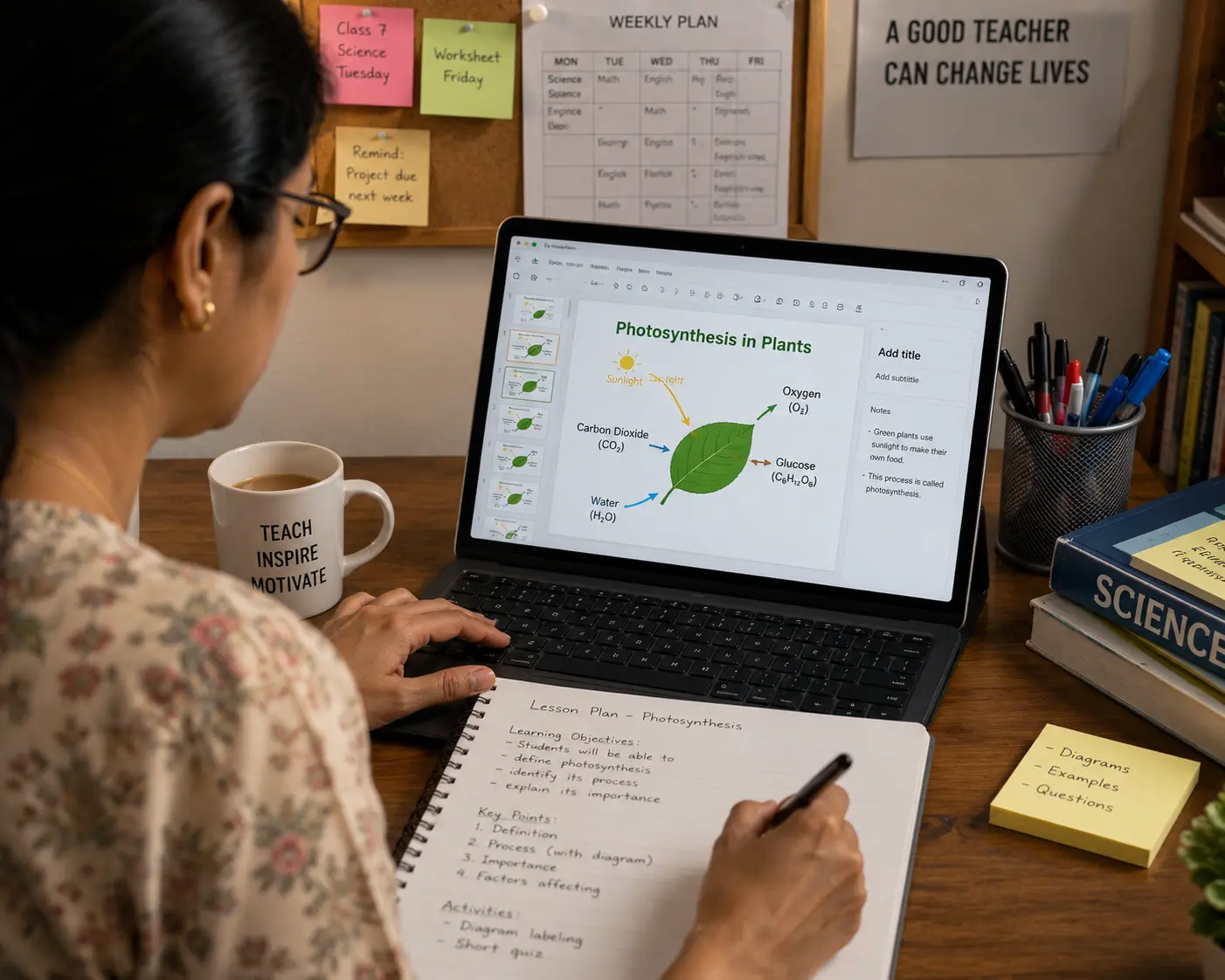
Teachers using AI for lesson planning has quietly become one of the most common use cases in Indian education, even more common than many classroom tools built specifically for teaching.
AI Tools for JEE and NEET Preparation
Exam preparation is where this shift gets the most intense. Students preparing for JEE and NEET now use these tools for instant doubt-solving, faster revision, and better time management across long, multi-year preparation cycles.
The subjects involved make this useful in specific ways. AI tools for JEE and NEET preparation are commonly used to solve step-by-step physics and chemistry problems, generate quick practice questions, and explain concepts in a student’s preferred language.
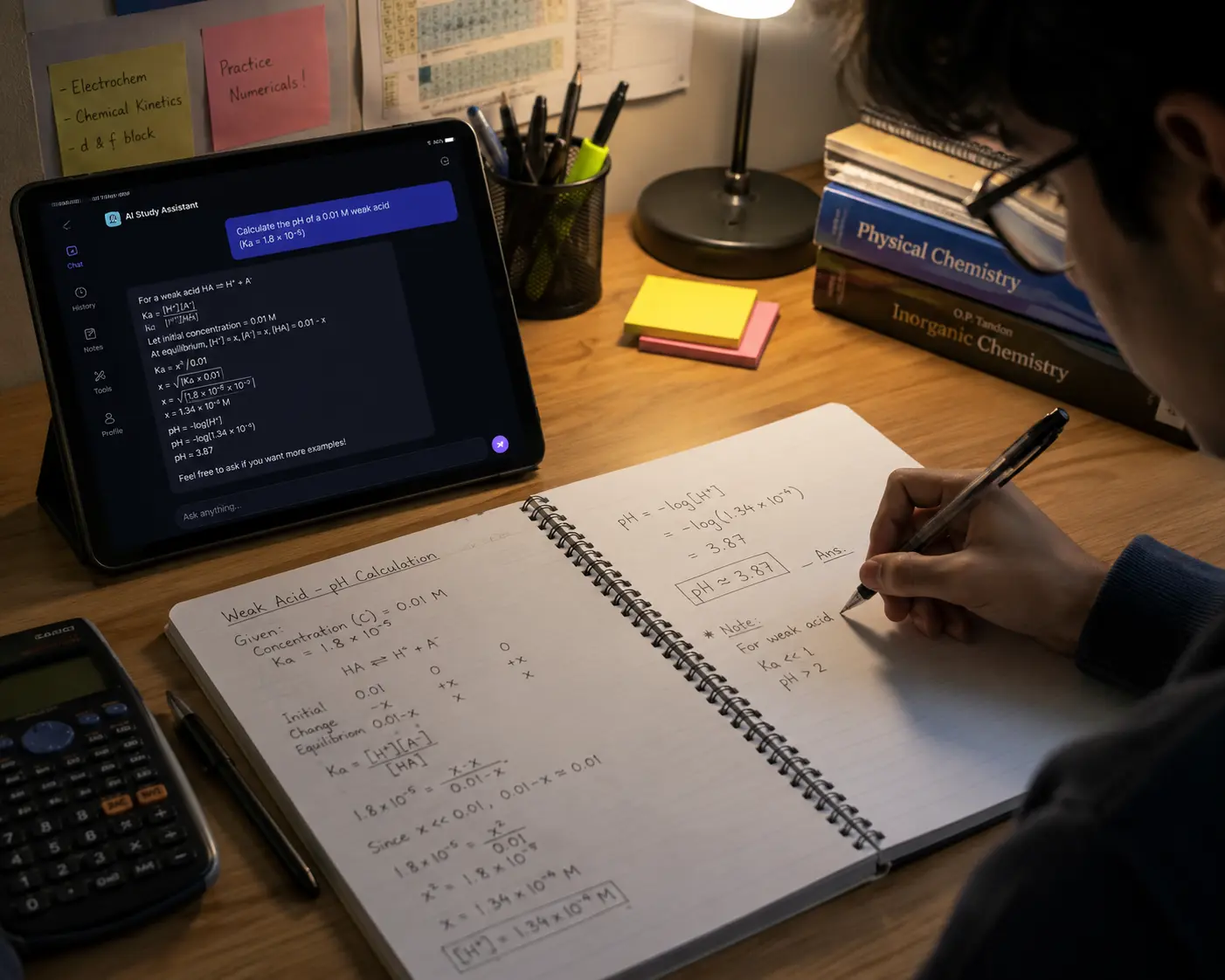
Coaching institutes have not disappeared as a result. Most educators recommend using these tools for revision and doubt-clearing, while still relying on structured coaching and standard textbooks for the core syllabus. The technology works best as a support system here, not a replacement for consistent, guided practice.
The AI Literacy Gap Among Students
Wide use does not mean deep understanding. A 2025 study covering 45 schools, 30 colleges, and 15 universities across India found that only 3 percent of institutions have deeply integrated these tools into structured teaching methods.
Most usage still happens informally, student by student, without much training on how to use these tools well. This gap has real consequences beyond the classroom.
A 2026 industry survey found that 68 percent of Indian employers now prefer candidates with demonstrated skills in this area, up sharply from 41 percent in 2023. The AI literacy gap among students is not just about classroom habits. It is starting to shape who gets hired after graduation.
What This Means for the Future of Studying in India
Artificial intelligence is no longer a future trend in Indian education. It is already part of how a majority of students study and how a majority of teachers plan lessons.
The bigger question ahead is not whether this technology belongs in education. It is whether schools and colleges can move fast enough to teach students how to use it well, instead of leaving them to figure it out through trial and error.
FAQ
How many Indian students use AI for studying?
Around 85 percent of students in Grades 9 to 12 in a recent North India survey already use AI tools for schoolwork.
What do Indian students mainly use ChatGPT for?
Mostly concept explanations, research help, and writing feedback, not just getting direct answers.
Are Indian teachers using AI too?
Yes, over 70 percent of teachers surveyed use AI, mainly for lesson planning.
Is there a downside to students relying on AI? Yes, most students use AI tools without real training, leaving a wide gap between usage and actual AI literacy.
Can AI alone help crack exams like JEE or NEET?
No, AI works best as a support tool alongside regular study, not a replacement for it.