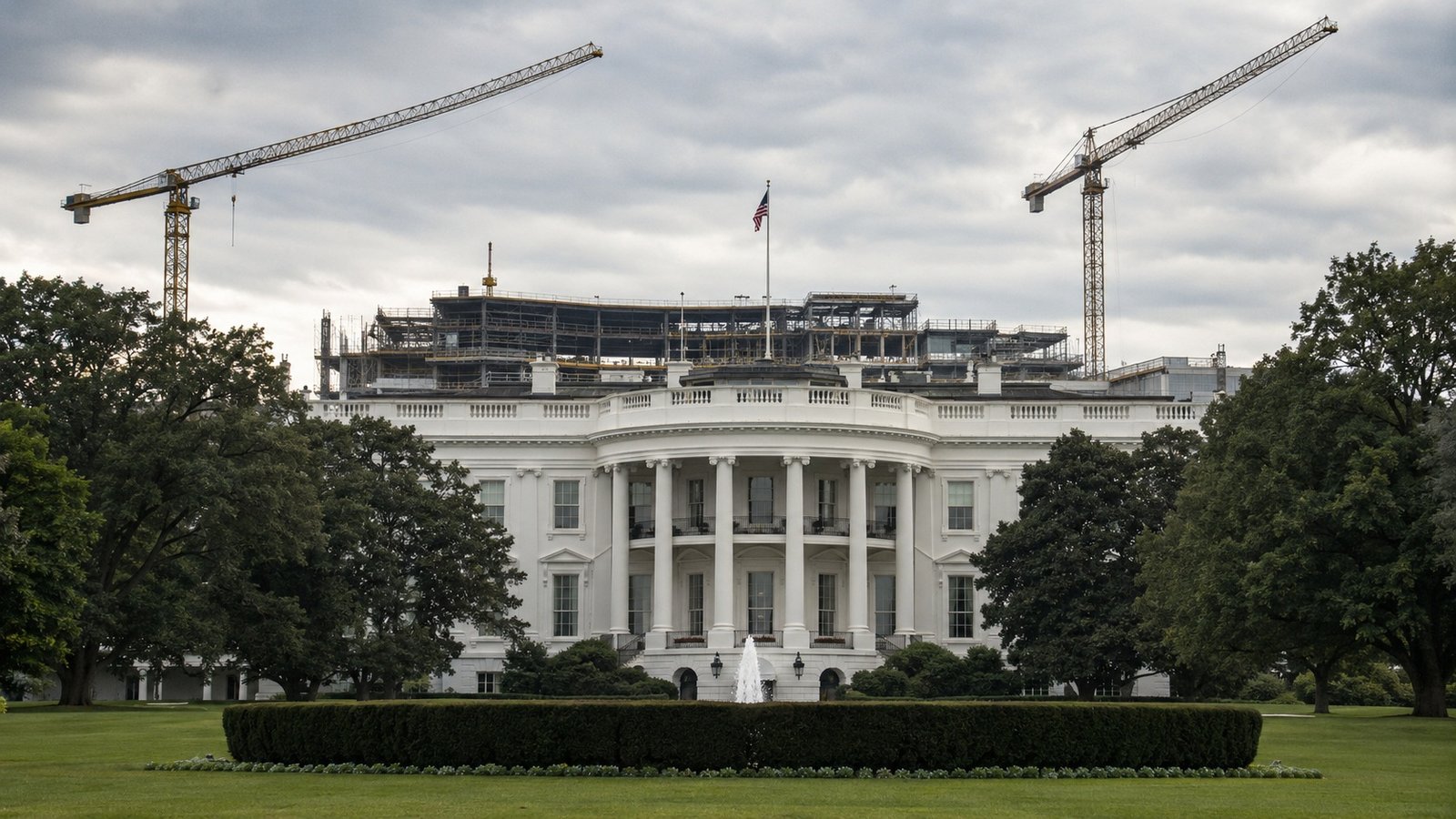
Chief Justice John Roberts issued a temporary order on Friday. It allows construction to continue on President Trump’s White House ballroom.
The order came just hours before a lower court deadline. That deadline would have forced work to stop.
Roberts handles emergency appeals from Washington, D.C. cases by default. His order gives the Supreme Court more time to review the case.
He gave no explanation for the decision. It also does not reflect how the full Court views the case.
Background
The order pauses a ruling from U.S. District Judge Richard Leon. In March 2026, Leon ordered construction to stop until Congress approves the project.
Leon wrote that no law gives the president the authority he claims over the site.
The National Trust for Historic Preservation brought the original lawsuit. The group argues Trump cannot move forward without approval from Congress.
Its lawyers have accused the administration of rushing construction to get ahead of the courts.
The Trump administration argues the president has full authority to renovate federal buildings. Officials have also pointed to security concerns, citing recent shootings as a reason work must continue.
The project has already required demolishing the White House East Wing. That wing held offices for the First Lady.
What’s Next
Roberts could still refer the case to the full Supreme Court for a vote. That would decide whether construction continues long-term.
FAQ
Is this a final Supreme Court ruling?
No. It is a temporary order. The full Court has not yet decided the case.
Why did Chief Justice Roberts issue the order alone?
Roberts handles emergency appeals from Washington, D.C. by default. He can still send the case to the full Court.
Who is suing to stop the ballroom?
The National Trust for Historic Preservation filed the lawsuit against the project.
What did the lower court judge decide?
Judge Richard Leon ruled in March 2026 that construction must stop until Congress approves it.
What is the administration’s main argument?
Officials say the president has full authority over federal building renovations. They also cite security concerns.