Every year, thousands of 6th graders face the same problem. The science fair is coming, and nobody knows what to build. A good project does not need fancy tools. It needs a clear question, a fair test, and results you can measure.
This list of science fair project ideas for 6th graders has 150 options. Each one shows its difficulty, cost and supplies, plus a short guide on how to set it up. Most use items you already have at home.
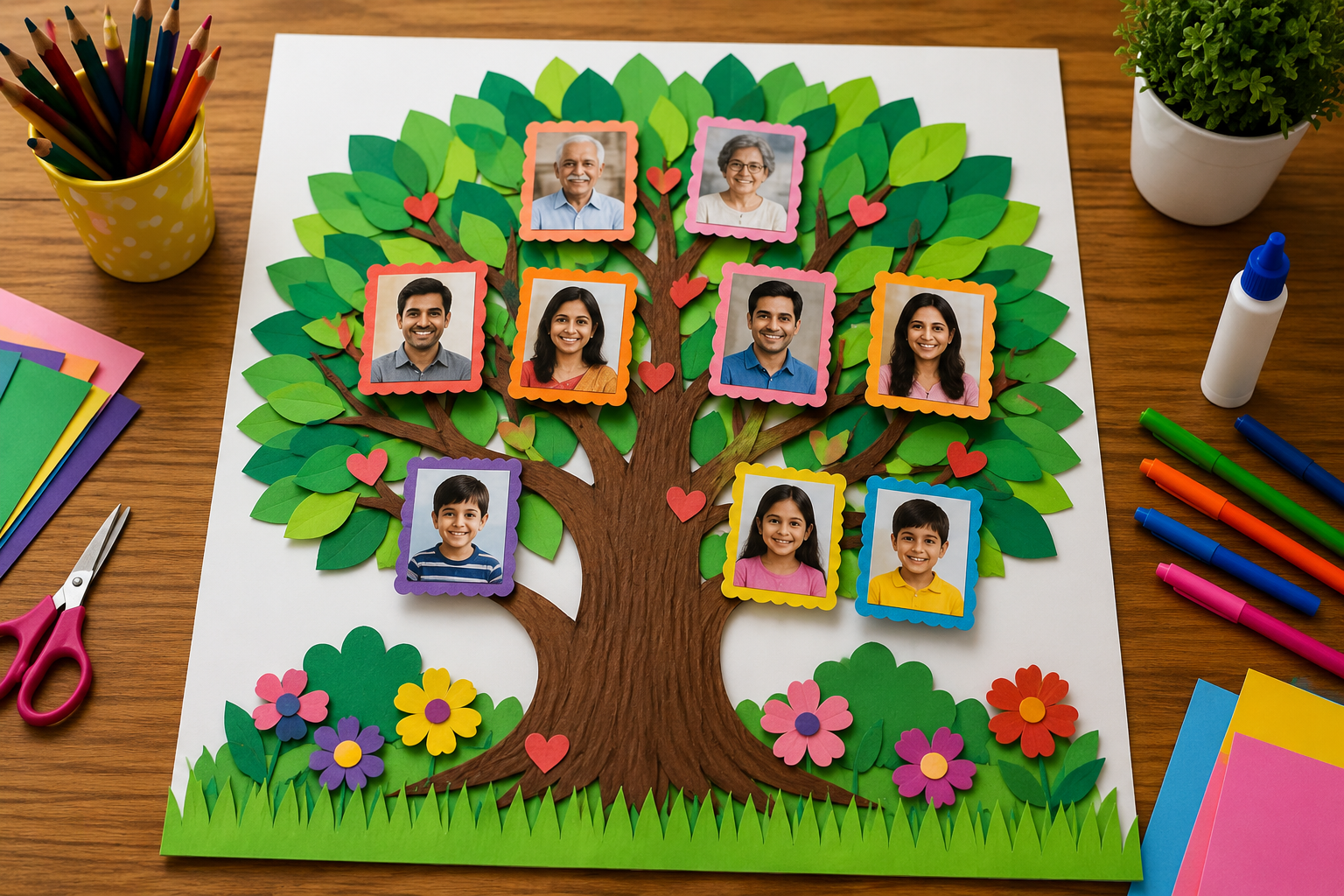
Read more: 15 Creative Family Tree Project Ideas for School
Top 15 Best Picks for You

Not sure where to start with 150 ideas? Pick from this list. These 15 projects are safe, easy to do at home, and popular with judges. The number next to each title matches the full guide later in the article.
Lemon and Potato Battery (#32)
Judges love to see an LED glow from a piece of fruit. Voltage numbers also make a strong chart.
Egg-Drop Protection Case (#54)
It works well as a live demo. The drop height gives you a clear result.
Homemade Electromagnet (#103)
You can count paperclips for easy data. Adding more coils shows a clear pattern.
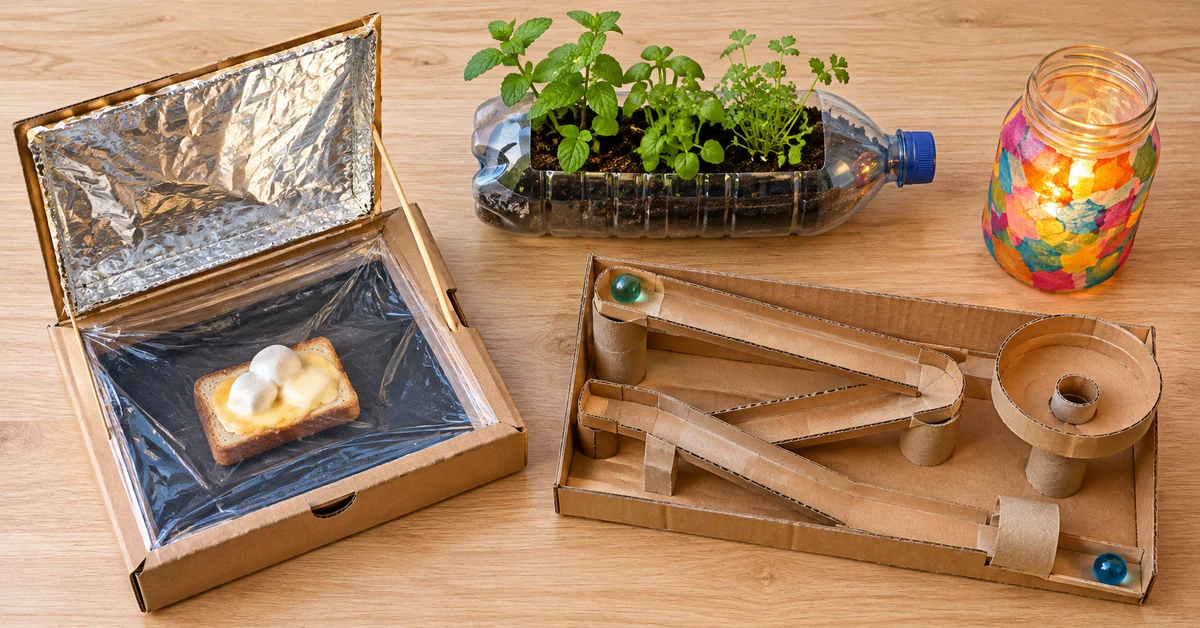
Solar Oven Test (#77)
Cooking with sunlight gets attention at any fair. A thermometer gives you solid numbers.
Paper Airplane Distance Test (#36)
It takes one afternoon and needs only paper. A tape measure gives you your data.
Yeast and Temperature (#92)
The balloon makes the result easy to see. You can measure its width with a string.
Color and Heat Absorption (#76)
It is cheap and quick. Black, white and red cans show big differences.
Bacteria on School Surfaces (#90)
Everyone wants to know the answer. Photos of the dishes look great on a board.
Homemade Water Filter (#52)
It links to a real need, clean water. Before and after jars show the change.
Spaghetti Tower (#44)
It is fun to build and fun to break. Weights give you exact numbers.
Music and Memory (#56)
You only need friends and a word list. It makes a good people-based project.
Blind Taste Test (#59)
It is easy to run and often surprises people. Results work well in a pie chart.
Craft Stick Bridge (#40)
It shows real engineering skill. Coins or weights show how strong each design is.
Red Cabbage pH Indicator (#19)
The colors look amazing on a board. You can build a pH chart from your results.
Moon Phases Model (#109)
A lamp and a ball explain a big idea. Photos of each phase tell the story.
Read more: 20 Fun and Easy Digestive System Project Ideas for Students
Quick Answer
The best 6th grade science fair project is one you are curious about, can test in two to three weeks, and can measure with numbers. Good first picks are the lemon battery, the paper airplane test, and the yeast and temperature test. Pick one question, change only one thing, and repeat the test at least three times.
How to Pick the Right Project
Start with a topic you enjoy. Judges can tell when a student cares about the question.
Next, check the time. Plant tests and mold tests take weeks. Paper airplanes and ramps take one afternoon.
Then ask yourself one thing: can I measure the answer with a ruler, timer, scale or thermometer? If yes, the project is a good fit.
Finally, ask a parent or teacher to approve your plan. Some tests need adult help with heat, sharp tools or germs.
Plant Science Fair Project Ideas for 6th Graders

Plant projects are cheap and easy to photograph. Bean seeds sprout fast, so they work well for most of these tests.
1. Music and Plant Growth
- Difficulty: Easy
- Cost: Low
- You Will Need: Bean seeds, six cups, soil, a speaker, a ruler
Plant beans in two sets of identical cups. Play music near one set for an hour each day and keep the other set quiet. Measure the height of every plant every two days and compare after two weeks.
2. Colored Light and Plant Growth
- Difficulty: Medium
- Cost: Medium
- You Will Need: Four lamps, red, blue and green film, seedlings, rubber bands, a ruler
Cover three lamps with colored film and leave one with plain white light. Place one seedling under each lamp and give all of them the same water. After two weeks, compare height and leaf color.
3. Salt Water and Plants
- Difficulty: Easy
- Cost: Low
- You Will Need: Seedlings, table salt, water, cups, a measuring spoon
Water seedlings with plain water, mildly salty water and very salty water. Use the same amount each day. Write notes on leaf color and droop, then count how many plants stay healthy after ten days.
4. Seed Direction and Root Growth
- Difficulty: Easy
- Cost: Low
- You Will Need: Bean seeds, clear cups, paper towels, water, a marker
Line clear cups with damp paper towels and slip a seed between the towel and the cup. Place one seed upright, one sideways and one upside down. Photograph the roots every day for a week and note which way they turn.
5. Natural Fertilizer Test
- Difficulty: Medium
- Cost: Low
- You Will Need: Four pots, soil, coffee grounds, crushed eggshells, banana peel pieces, seeds
Mix a small amount of each natural material into its own pot and keep one pot as plain soil. Plant the same seeds in all four. Measure height each week for a month to see which pot grows best.
6. Tap, Bottled and Rain Water
- Difficulty: Easy
- Cost: Low
- You Will Need: Three pots, seeds, soil, tap water, bottled water, rainwater in a clean jar
Plant the same seeds in three pots and keep light and soil the same. Give each pot one type of water every day. Record the height and number of leaves each week.
7. Gravity and Root Direction
- Difficulty: Medium
- Cost: Low
- You Will Need: A clear plastic container, cotton, sprouting seeds, tape
Stick sprouting seeds on damp cotton inside a clear container and seal it. Turn the container a quarter turn each day. Take a photo every time to see how roots bend back toward the ground.
8. Potato Sprouts in the Dark
- Difficulty: Easy
- Cost: Low
- You Will Need: Two potatoes, a dark closet, a sunny window, a spray bottle
Place one potato in a closet and one near a window. Mist both lightly every few days. After two weeks, compare the length and color of the sprouts.
9. Talking to Plants
- Difficulty: Easy
- Cost: Low
- You Will Need: Six seedlings, pots, soil, a ruler
Grow two groups of plants side by side with the same light and water. Talk or read to one group for five minutes a day and ignore the other. Measure height every few days and compare.
10. Soil Water-Holding Test
- Difficulty: Easy
- Cost: Low
- You Will Need: Sand, clay soil, potting soil, three cups with holes, coffee filters, a measuring cup
Line each cup with a filter and fill it with one soil type. Pour the same amount of water into each cup. Measure the water that drains out, since the soil with the least runoff holds the most.
11. Plants Bending Toward Light
- Difficulty: Medium
- Cost: Low
- You Will Need: A shoebox, scissors, a seedling in a small pot, a sunny window
Cut a small hole in one side of the shoebox and place it over the seedling. Set the box near a window. Check each day and photograph how the plant leans toward the hole.
12. Soaked Seeds vs Dry Seeds
- Difficulty: Easy
- Cost: Low
- You Will Need: Bean seeds, cups, soil, water, a timer
Soak seeds for zero, six and twelve hours. Plant each group in its own cup with the same soil. Count the sprouts every day and see which group wins.
13. Sugar Water for Cut Flowers
- Difficulty: Easy
- Cost: Low
- You Will Need: Fresh flowers, three vases, sugar, water
Fill the vases with plain water, water with one spoon of sugar and water with two spoons. Add one flower to each and keep them in the same room. Note the day each flower starts to wilt.
14. Vinegar Spray and Plant Health
- Difficulty: Medium
- Cost: Low
- You Will Need: Two spray bottles, mild vinegar mix, water, six small plants, an adult helper
Spray one group of plants with a mildly diluted vinegar mix and the other with plain water. Use the same amount each day. Photograph the leaves for two weeks and track any damage.
15. Best Household Weed Killer
- Difficulty: Medium
- Cost: Low
- You Will Need: Diluted vinegar, salt water, soapy water, a safe patch of weeds, gloves, an adult helper
Pick weeds of the same size and label each spot. Treat each spot with one liquid and leave one untreated. Check the weeds every day for a week and note which liquid works fastest.
Kitchen Science Fair Project Ideas for 6th Graders

The kitchen is a free lab. These tests use food, water and common cleaners, and the results are easy to see.
16. Baking Soda Volcano Brands
- Difficulty: Easy
- Cost: Low
- You Will Need: Clay, three brands of baking soda, vinegar, a tray, a ruler
Shape a small volcano from clay and set it in a tray. Add the same amount of one brand of baking soda, then pour in the same amount of vinegar. Measure the foam height and repeat three times for each brand.
17. Fastest Liquid for Dissolving Sugar
- Difficulty: Easy
- Cost: Low
- You Will Need: Sugar cubes, water, juice, milk, three cups, a timer
Drop one sugar cube into each cup of liquid. Keep the temperature the same. Time how long each cube takes to vanish.
18. Temperature and Salt Dissolving
- Difficulty: Easy
- Cost: Low
- You Will Need: Table salt, cold, warm and hot water, three cups, a spoon, a timer, an adult helper
Pour equal amounts of cold, warm and hot water into cups. Stir in one spoon of salt and time how long it takes to disappear. Let an adult handle the hot water, then graph the times.
19. Red Cabbage pH Indicator
- Difficulty: Medium
- Cost: Low
- You Will Need: Red cabbage, a pot, a strainer, lemon juice, soapy water, baking soda water, clear cups, an adult helper
Boil chopped cabbage and strain the purple juice. Pour a little into cups of lemon juice, soapy water and baking soda water. Record each color and build a simple pH chart from the results.
20. Vitamin C in Fruit Juice
- Difficulty: Medium
- Cost: Medium
- You Will Need: Three juices, iodine, cornstarch, a dropper, small cups, an adult helper
With an adult, mix cornstarch and iodine to make a blue liquid. Add drops of each juice until the blue fades. The juice that needs the fewest drops has the most vitamin C.
21. Soda Fizz in Warm and Cold
- Difficulty: Easy
- Cost: Low
- You Will Need: Two bottles of the same soda, two balloons, a fridge, a string
Open both bottles and quickly stretch a balloon over each opening. Keep one bottle in the fridge and one in a warm room. After an hour, measure each balloon with a string, since a bigger balloon means more gas escaped.
22. Salt and the Freezing Point
- Difficulty: Easy
- Cost: Low
- You Will Need: Four cups, water, salt, a freezer, a marker
Fill four cups with equal water and add zero, one, two and three spoons of salt. Label each cup and place them in the freezer. Check every 30 minutes and note which freeze first.
23. Invisible Ink Test
- Difficulty: Medium
- Cost: Low
- You Will Need: Lemon juice, milk, baking soda water, cotton swabs, white paper, a lamp, an adult helper
Write a message with each liquid on separate pieces of white paper and let them dry. With an adult, hold each paper near a warm lamp bulb. See which message shows up the clearest.
24. Crystal Growing at Different Temperatures
- Difficulty: Medium
- Cost: Low
- You Will Need: Sugar or salt, hot water, two jars, string, pencils, an adult helper
Mix a strong salt or sugar solution and pour it into two jars. Hang a string in each from a pencil. Place one jar in a warm spot and one in a cool spot, then measure the crystals each day.
25. Stain Removal Test
- Difficulty: Easy
- Cost: Low
- You Will Need: White cloth, fruit juice, three dish soaps, a bowl, a timer
Stain equal pieces of white cloth with juice. Scrub each piece with a different dish soap for the same time. Rate how clean each one looks from one to five.
26. Rusting Nails in Different Liquids
- Difficulty: Easy
- Cost: Low
- You Will Need: Four iron nails, water, salt water, vinegar, four cups
Place one nail in each liquid and leave one dry nail as your control. Take a photo every day for a week. Compare how much rust forms on each.
27. Ice Melting Race
- Difficulty: Easy
- Cost: Low
- You Will Need: Four ice cubes of equal size, salt, sugar, sand, plates, a timer
Set each cube on its own plate. Sprinkle one with salt, one with sugar and one with sand, and leave one plain. Time how long each cube takes to melt.
28. Slime Stretch Test
- Difficulty: Easy
- Cost: Medium
- You Will Need: Glue, three slime activators, bowls, a ruler
Make three slimes with the same glue amount and a different activator in each. Pull each slime slowly and measure how far it stretches before it breaks. Wash your hands afterward and record the longest stretch.
29. Eggshells in Vinegar
- Difficulty: Easy
- Cost: Low
- You Will Need: Three raw eggs, vinegar, three jars, a tape measure
Place one egg in each jar of vinegar and remove them after one, two and three days. Rinse gently and feel how soft each shell is. Measure the egg width before and after to see how much it grew.
30. Popcorn Brand Comparison
- Difficulty: Easy
- Cost: Low
- You Will Need: Three brands of kernels, a measuring cup, a pot or popper, a bowl, an adult helper
Measure equal amounts of kernels from each brand. An adult pops them the same way each time. Count the unpopped kernels in each batch, since the fewest leftovers wins.
31. Tea Bag Color and Water Temperature
- Difficulty: Easy
- Cost: Low
- You Will Need: Two tea bags, cold water, warm water, clear cups, a timer, an adult helper
Place identical tea bags in cups of cold and warm water at the same moment. Time how long each takes to turn a deep color. An adult should handle the warm water.
32. Lemon and Potato Battery
- Difficulty: Medium
- Cost: Medium
- You Will Need: A lemon, a potato, an orange, copper coins, galvanized nails, wires with clips, a voltmeter
Push a copper coin and a galvanized nail into the fruit and connect them with wires to the voltmeter. Read the voltage. Repeat with the potato and the orange to see which makes the most power.
33. Oil and Water With Different Soaps
- Difficulty: Easy
- Cost: Low
- You Will Need: Three jars with lids, water, cooking oil, three kinds of soap, a timer
Fill each jar with water and one spoon of oil, then add a different soap to each. Shake for ten seconds. Time how long the oil takes to separate again.
34. Fabric Softener and Towel Absorbency
- Difficulty: Medium
- Cost: Medium
- You Will Need: Three matching towels, two softeners, a washing machine, a measuring cup
Wash one towel plain and the others with a different softener each. Dry them the same way. Pour a measured amount of water on each and see how much it soaks up.
35. Bread Mold Conditions
- Difficulty: Easy
- Cost: Low
- You Will Need: Bread slices, four zip bags, a marker, a dark closet, a sunny window
Seal one slice in each bag, with a few drops of water added to one. Keep them in light, dark, damp and dry places. Take a photo each day and never open the bags.
Physics and Engineering Science Fair Project Ideas for 6th Graders

Building projects let you show your skills at the fair. Judges love to see a working model.
36. Paper Airplane Distance Test
- Difficulty: Easy
- Cost: Low
- You Will Need: Printer paper, a tape measure, a notebook
Fold three different designs from the same paper. Throw each one ten times from the same spot with the same force. Measure every flight and find the average for each design.
37. Ramp Height and Toy Car Distance
- Difficulty: Easy
- Cost: Low
- You Will Need: A board, books, a toy car, a tape measure
Rest the board on a stack of books to make a ramp. Release the car from the top at three different heights. Measure how far it rolls past the bottom and graph height against distance.
38. Friction on Different Surfaces
- Difficulty: Medium
- Cost: Medium
- You Will Need: A wooden block, string, a spring scale, carpet, sandpaper, a smooth board
Tie a string to the block and hook it to the spring scale. Pull the block across each surface at a steady speed. A higher scale reading means more friction.
39. Parachute Shape and Fall Speed
- Difficulty: Easy
- Cost: Low
- You Will Need: A plastic bag, scissors, string, small weights, a timer
Cut a round, a square and a triangle shape from the bag. Tie string and one weight to each. Drop them from the same high spot and time each fall.
40. Craft Stick Bridge
- Difficulty: Medium
- Cost: Low
- You Will Need: Craft sticks, glue, two stacks of books, a cup, string, coins
Build two or three bridge designs and let the glue dry. Rest each bridge across two stacks of books. Hang the cup from the middle and add coins until the bridge breaks.
41. Pendulum String Length
- Difficulty: Easy
- Cost: Low
- You Will Need: String, a small weight, a doorframe, a timer, a ruler
Hang the weight from a string and give it a small swing. Count how many full swings happen in 30 seconds. Repeat with short, medium and long strings and graph the counts.
42. Best Insulating Material
- Difficulty: Easy
- Cost: Low
- You Will Need: Four cups, hot water, foil, wool, paper, a thermometer, an adult helper
Wrap three cups in different materials and leave one bare. An adult pours the same amount of hot water in each. Check the temperature every five minutes for half an hour.
43. Catapult Launch Angle
- Difficulty: Medium
- Cost: Low
- You Will Need: Craft sticks, rubber bands, a plastic spoon, pom-poms, a protractor, a tape measure
Build a small catapult from sticks and bands with the spoon as the arm. Launch a pom-pom at 30, 45 and 60 degrees. Measure where it lands and find the best angle.
44. Spaghetti Tower
- Difficulty: Medium
- Cost: Low
- You Will Need: Dry spaghetti, mini marshmallows, small weights, a ruler
Build towers with different base shapes, such as a triangle, a square and a wide circle. Add small weights to the top until each tower falls. Record how much each one carried.
45. Wheel Size and Car Speed
- Difficulty: Medium
- Cost: Medium
- You Will Need: Cardboard, skewers, bottle caps of three sizes, tape, a ramp, a timer
Build one car body from cardboard. Swap in small, medium and large wheels and roll it down the same ramp. Time each run and compare.
46. Ball Bounce on Different Surfaces
- Difficulty: Easy
- Cost: Low
- You Will Need: One ball, a ruler, a phone for filming, tile, carpet, grass
Drop the ball from the same height onto each surface. Film each drop next to a ruler. Watch the video frame by frame to find the bounce height.
47. Air Pressure and Ball Bounce
- Difficulty: Easy
- Cost: Low
- You Will Need: A pumpable ball, a pump, a ruler, a phone for filming
Pump the ball to low, medium and full pressure. Drop it from the same height each time. Film and measure the bounce, then repeat three times at each level.
48. Boat Shape and Floating Weight
- Difficulty: Easy
- Cost: Low
- You Will Need: Foil squares, a tub of water, pennies
Fold the foil into a flat boat, a deep boat and a wide boat. Float each one in the tub. Add pennies one at a time and count how many each boat holds before it sinks.
49. Weight and Falling Speed
- Difficulty: Easy
- Cost: Low
- You Will Need: A rubber ball, a crumpled paper ball of the same size, a phone for filming
Hold both balls at the same height and let go together. Film the fall from the side. Watch the video to see which one lands first.
50. Best Sound-Blocking Material
- Difficulty: Medium
- Cost: Low
- You Will Need: A shoebox, a ticking alarm, foam, cloth, cardboard, a sound meter app
Put the ticking alarm inside the box. Line the box with one material at a time. Use the app to read the volume outside the box, and the lowest reading blocks the most sound.
51. Magnet Strength Through Materials
- Difficulty: Easy
- Cost: Low
- You Will Need: A magnet, paperclips, paper, plastic, wood
Place a sheet of one material between the magnet and a paperclip. Count how many clips the magnet lifts through it. Repeat with each material and stack extra layers for a harder test.
52. Homemade Water Filter
- Difficulty: Medium
- Cost: Low
- You Will Need: A plastic bottle, scissors, cotton, sand, gravel, muddy water
Cut the bottle in half and flip the top into the bottom to make a funnel. Layer cotton, sand and gravel inside. Pour muddy water through and compare it with the starting water, and never drink it.
53. Rubber Band Boat Propeller
- Difficulty: Medium
- Cost: Medium
- You Will Need: A small plastic box, a rubber band, plastic for propellers, a tub of water, a timer
Build a boat with a rubber band motor that turns a propeller. Cut three propeller sizes. Time each boat across the tub and find the best size.
54. Egg-Drop Protection Case
- Difficulty: Medium
- Cost: Low
- You Will Need: Raw eggs, paper, straws, cotton balls, tape, a ladder or stairs
Build a case for an egg from soft and stiff materials. Drop it from one meter, then from higher each round. Record the height where the egg first cracks.
55. Cold and Warm Bouncing Balls
- Difficulty: Easy
- Cost: Low
- You Will Need: Two matching balls, a fridge, a ruler
Keep one ball in the fridge for an hour and one at room temperature. Drop both from the same height. Measure each bounce and repeat three times.
Human Body and Psychology Project Ideas for 6th Graders

These tests use friends and family as volunteers. Always ask for permission and keep results private.
56. Music and Memory
- Difficulty: Easy
- Cost: Low
- You Will Need: A word list, a timer, a speaker, ten volunteers
Give volunteers 20 words to learn in one minute. Test one group in silence and another with music. Count how many words each person recalls and compare the averages.
57. Plate Color and Appetite
- Difficulty: Easy
- Cost: Low
- You Will Need: Red, blue and white plates, a snack, a rating sheet, ten volunteers
Serve the same snack on each plate. Ask volunteers to rate how tasty it looks from one to five. Compare the scores by plate color.
58. Exercise and Heart Rate
- Difficulty: Easy
- Cost: Low
- You Will Need: A timer, a notebook
Find your pulse on your wrist and count beats for 30 seconds. Do one minute of jumping jacks and count again. Repeat with other exercises and graph the results.
59. Blind Taste Test
- Difficulty: Easy
- Cost: Low
- You Will Need: Two cola brands, unmarked cups, a tally sheet, volunteers
Pour each drink into cups marked only with secret codes. Ask volunteers to guess which is which. Count the correct answers and compare them with pure guessing.
60. Hand Size and Catching
- Difficulty: Easy
- Cost: Low
- You Will Need: A ball, paper, a pencil, a ruler, volunteers
Trace each volunteer’s hand and measure it. Toss the ball ten times to each person. Count the catches and compare them with hand size.
61. Sleep and Reaction Time
- Difficulty: Easy
- Cost: Low
- You Will Need: A ruler, a notebook, volunteers
Hold the ruler and drop it between a volunteer’s fingers. Note where they catch it. Compare people who slept more and less, since a shorter catch distance means a faster reaction.
62. Hand Sanitizer Germ Test
- Difficulty: Advanced
- Cost: Medium
- You Will Need: Sealable dishes with growth gel, tape, sanitizer, a teacher or adult
With adult help, touch one dish with unwashed hands and another after using sanitizer. Seal both dishes with tape. Compare the growth after several days and never open the dishes.
63. Family Fingerprint Comparison
- Difficulty: Easy
- Cost: Low
- You Will Need: An ink pad, white paper, a magnifier
Collect each family member’s prints on labeled paper. Look at them under the magnifier. Sort the loops, whorls and arches and compare patterns across the family.
64. Gum and Concentration
- Difficulty: Easy
- Cost: Low
- You Will Need: Two puzzles of equal difficulty, gum, a timer, ten volunteers
Time each volunteer on one puzzle without gum and one with gum. Swap the order for half the group. Compare the average times.
65. Optical Illusion Test
- Difficulty: Easy
- Cost: Low
- You Will Need: Printed illusions, a tally sheet, volunteers of different ages
Show the same illusions to kids, teens and adults. Record whether each person is fooled. Count the results for each age group and note the trickiest illusion.
66. Age and Reaction Time
- Difficulty: Easy
- Cost: Low
- You Will Need: A ruler, a notebook, volunteers of different ages
Run the ruler drop test on kids, parents and grandparents. Give each person three tries. Compare the average catch distance by age and graph it.
67. Smell and Taste Link
- Difficulty: Easy
- Cost: Low
- You Will Need: Flavored jelly beans, a tally sheet, volunteers
Ask volunteers to pinch their nose and guess the flavor of a jelly bean. Repeat with the nose open. Compare the number of correct guesses each way.
68. Handwriting When Tired
- Difficulty: Easy
- Cost: Low
- You Will Need: Paper, a pen, a friend to rate samples
Write the same sentence in the morning and late at night. Ask a friend to rate the neatness without knowing which is which. Compare the scores.
69. Breathing Rate After Activity
- Difficulty: Easy
- Cost: Low
- You Will Need: A timer, a notebook, a volunteer
Count breaths for one minute at rest, after walking and after running in place. Rest between each test. Write down each number and graph them.
70. Colored Words and Recall
- Difficulty: Easy
- Cost: Low
- You Will Need: Black and colored pens, paper, a timer, volunteers
Write one word list in black ink and another in colored ink. Show each list for one minute. Ask volunteers to write what they remember and compare the counts.
71. Lung Capacity Comparison
- Difficulty: Easy
- Cost: Low
- You Will Need: Balloons of one type, a tape measure, volunteers
Ask each volunteer to blow up a balloon with one breath. Measure the balloon’s width. Compare the sizes across ages and sports habits.
72. Time of Day and Reaction Time
- Difficulty: Easy
- Cost: Low
- You Will Need: A ruler, a notebook, one volunteer
Use the ruler drop test in the morning, afternoon and evening. Test the same person each time and do three drops per session. Compare the average results.
Earth, Weather and Environment Science Fair Ideas for 6th Graders

These projects connect to real problems, like water quality and climate. They also make strong display boards.
73. Soil Erosion Test
- Difficulty: Medium
- Cost: Low
- You Will Need: Three trays, sand, clay soil, garden soil, water, cups
Fill each tray with one soil type and tilt it. Pour the same amount of water over the top of each. Collect the runoff in cups and compare, since the least runoff means the slowest erosion.
74. Greenhouse Effect in a Jar
- Difficulty: Easy
- Cost: Low
- You Will Need: Two jars, a lid, two thermometers
Place a thermometer in each jar and seal one with the lid. Set both in the sun. Record the temperature every ten minutes to see how trapped heat builds up.
75. Homemade Rain Gauge
- Difficulty: Easy
- Cost: Low
- You Will Need: A clear bottle, scissors, a ruler, tape
Cut off the top of the bottle and flip it into the base as a funnel. Tape the ruler to the side. Place it in an open spot, record the level every day for a month and graph the rainfall.
76. Color and Heat Absorption
- Difficulty: Easy
- Cost: Low
- You Will Need: Three cans, black, white and red paper, water, thermometers
Wrap each can in one color of paper. Fill them with the same amount of water and set them in the sun. Check each temperature after an hour.
77. Solar Oven Test
- Difficulty: Medium
- Cost: Medium
- You Will Need: Three pizza boxes, foil, black paper, plastic wrap, thermometers, tape
Build a small oven in each box, with a different lining in each. Place a thermometer inside every oven and set them in full sun. Compare the heat after an hour.
78. Water Temperature and Evaporation
- Difficulty: Easy
- Cost: Low
- You Will Need: Two dishes, cool water, warm water, a marker
Pour equal amounts of cool and warm water into the dishes. Mark the starting level on each. Check the level every day to see which one dries first.
79. Sunscreen SPF and UV Beads
- Difficulty: Medium
- Cost: Medium
- You Will Need: UV beads, clear plastic, three SPF levels, a sunny day
Spread each sunscreen on a piece of clear plastic and keep one piece bare. Place beads under each piece and carry them outside. Compare how much each set of beads changes color.
80. Pollution and Water Clarity
- Difficulty: Easy
- Cost: Low
- You Will Need: Four jars, water, soil, cooking oil, soap
Add soil, oil and soap to three separate jars of water and keep one clean. Shake them and let them sit. Compare how clear each one looks after an hour.
81. Best Dirty Water Filter Material
- Difficulty: Medium
- Cost: Low
- You Will Need: Muddy water, coffee filters, cotton, sand, clear cups, funnels
Place one material in each funnel and pour the same amount of muddy water through. Catch the water in clear cups. Compare which result looks the clearest and never drink any of it.
82. Tornado in a Bottle
- Difficulty: Easy
- Cost: Medium
- You Will Need: Two bottles, a tornado tube connector, water, a timer
Fill one bottle two thirds with water and connect the second bottle upside down. Flip the pair and drain the water with and without a swirl. Time both, and the swirl should be faster.
83. Land Shape and Water Runoff
- Difficulty: Medium
- Cost: Low
- You Will Need: Modeling clay, two trays, water, a measuring cup
Shape clay into a hill on one tray and a flat patch on the other. Pour the same amount of water over each. Measure how much runs off.
84. Homemade Barometer
- Difficulty: Medium
- Cost: Low
- You Will Need: A jar, a balloon, a rubber band, a straw, tape, cardboard
Stretch a balloon tight over the jar and secure it. Tape a straw on top so it works as a pointer. Mark where the straw points each day and compare with the local forecast.
85. Temperature in Different Spots
- Difficulty: Easy
- Cost: Low
- You Will Need: Three thermometers, a notebook
Place thermometers in the sun, in the shade and indoors. Record each reading every hour. Draw a line graph for each place.
86. Oil Spill Cleanup
- Difficulty: Easy
- Cost: Low
- You Will Need: A tub, water, cooking oil, spoons, cotton balls, dish soap
Pour a little oil onto a tub of water. Try to clean it with a spoon, then cotton, then soap. Measure how much oil each method removes.
87. Sunlight Angle and Temperature
- Difficulty: Easy
- Cost: Low
- You Will Need: A lamp, a thermometer, a protractor, a dark paper sheet
Shine the lamp on the paper at different angles. Set the thermometer on the paper each time. Record the temperature after five minutes at each angle.
Animal and Microbe Project Ideas for 6th Graders

These tests are best for students who like biology. Always handle animals gently and keep germ tests sealed.
88. Ant Food Preference
- Difficulty: Easy
- Cost: Low
- You Will Need: Index cards, sugar, salt, a protein snack, a timer
Place a small amount of each food on a separate card outdoors near ants. Wait ten minutes and count the ants on each card. Repeat at different times of day.
89. Pet Reaction to Music
- Difficulty: Easy
- Cost: Low
- You Will Need: A pet, a speaker, a notebook
Play calm music for ten minutes and then loud music for ten minutes. Note how often your pet moves, sleeps or looks at the speaker. Keep the volume safe and compare the two sessions.
90. Bacteria on School Surfaces
- Difficulty: Advanced
- Cost: Medium
- You Will Need: Sealable dishes with growth gel, cotton swabs, tape, labels, a teacher
With a teacher’s help, swab a doorknob, a desk and a sink. Wipe each swab on its own labeled dish and seal it. Compare the growth after a few days and never open the dishes.
91. Mouthwash and Bacteria
- Difficulty: Advanced
- Cost: Medium
- You Will Need: Sealable dishes with growth gel, mouthwash, cotton swabs, tape, an adult
Under adult guidance, treat one dish with mouthwash and leave one untreated. Seal both and keep them in the same spot. Photograph the growth every day for several days.
92. Yeast and Temperature
- Difficulty: Easy
- Cost: Low
- You Will Need: Dry yeast, sugar, warm water, three bottles, three balloons, a string
Mix yeast, sugar and water in each bottle and cap it with a balloon. Set the bottles in a cold, a warm and a room temperature spot. Measure how far each balloon inflates.
93. Bread Brand Mold Race
- Difficulty: Easy
- Cost: Low
- You Will Need: Slices from three brands, three zip bags, a marker
Seal one slice from each brand in its own bag. Keep them in the same spot. Photograph them daily and note the first sign of mold on each.
94. Earthworm Light Preference
- Difficulty: Easy
- Cost: Low
- You Will Need: A few earthworms, a tray, damp soil, cardboard
Spread damp soil in the tray and cover one half with cardboard. Place worms in the middle. Check after ten minutes to see which side they chose, then return them to soil.
95. Bird Feeder Colors
- Difficulty: Medium
- Cost: Medium
- You Will Need: Three feeders, paint, birdseed, a notebook
Paint or cover each feeder in a different color and fill them with the same seed. Hang them close together. Tally the visits to each one every day for a week.
96. Fish Activity Through the Day
- Difficulty: Easy
- Cost: Low
- You Will Need: A home fish tank, a timer, a notebook
Watch the tank for five minutes each morning, noon and evening. Count how often the fish swim across it. Never change the water temperature yourself.
97. Sugar Types and Yeast
- Difficulty: Easy
- Cost: Low
- You Will Need: Yeast, white sugar, brown sugar, honey, three bottles, warm water, a ruler
Make three yeast mixes, each with a different sweetener. Pour them into bottles. Measure the foam height after 20 minutes.
98. Spices Against Mold
- Difficulty: Medium
- Cost: Low
- You Will Need: Bread, cinnamon, pepper, turmeric, four zip bags
Sprinkle a different spice on three slices and keep a fourth plain. Seal each in its own bag. Compare the mold after a week and never open the bags.
Technology and Creative Project Ideas for 6th Graders

If you like gadgets, these projects will fit. Most take less than a day.
99. Screen Brightness and Reading Speed
- Difficulty: Easy
- Cost: Low
- You Will Need: A phone or tablet, a short text, a timer, five volunteers
Ask volunteers to read the same text at low, medium and high brightness. Time each reading. Compare the speeds.
100. Simple Circuit and Conductors
- Difficulty: Easy
- Cost: Medium
- You Will Need: A battery, a small bulb, wires, a coin, foil, wood, plastic
Connect the battery, bulb and wires with a gap in the loop. Place each item in the gap one by one. Sort the materials into those that light the bulb and those that do not.
101. Screen Protector Scratch Test
- Difficulty: Medium
- Cost: Medium
- You Will Need: Three screen protectors, a coin, a key, a pencil
Rub each protector with the three tools using the same pressure. Rate the damage from one to five. Compare the brands.
102. Wi-Fi Through Different Materials
- Difficulty: Easy
- Cost: Low
- You Will Need: A phone with a speed test app, paper, wood, a metal tray
Run the speed test near the router. Repeat with each material between the phone and the router. Test each spot three times and compare.
103. Homemade Electromagnet
- Difficulty: Medium
- Cost: Medium
- You Will Need: A large iron nail, insulated copper wire, a battery, paperclips
Wrap the wire around the nail and attach the ends to the battery. Pick up paperclips and count them. Add more coils and repeat, then graph coils against clips.
104. Paper Towel Absorbency
- Difficulty: Easy
- Cost: Low
- You Will Need: Three paper towel brands, a measuring cup, water, a tray
Hold one sheet flat over the tray and pour a measured amount of water on it. Measure how much water drips through. Less leftover water means better absorbency, so repeat three times per brand.
105. Battery Life Comparison
- Difficulty: Easy
- Cost: Medium
- You Will Need: Three battery brands, identical flashlights, a notebook
Place each brand in its own flashlight and switch them all on at the same time. Record when each light goes out. Compare the times.
106. Paper Color and Readability
- Difficulty: Easy
- Cost: Low
- You Will Need: White, yellow and gray paper, a printer, a timer, volunteers
Print the same text on each color. Time volunteers as they read each page aloud. Compare speeds and count mistakes.
107. Cardboard Hydraulic Robot Arm
- Difficulty: Advanced
- Cost: Medium
- You Will Need: Cardboard, brass fasteners, four syringes, plastic tubing, water
Cut the cardboard into arm sections and join them with fasteners. Link pairs of syringes with water-filled tubing to move each joint. Test how much weight the arm lifts, then improve the design.
108. Sports Shoe Grip Test
- Difficulty: Medium
- Cost: Low
- You Will Need: Three shoes, string, a spring scale, a gym floor
Tie a string to each shoe and hook it to the scale. Pull the shoe across the floor at a steady pace. Compare the force needed to slide each one and repeat three times.
Space and Sky Science Fair Project Ideas for 6th Graders

You can study the sky without a telescope. A lamp, a ball and a stick are enough for these tests.
109. Moon Phases Model
- Difficulty: Easy
- Cost: Low
- You Will Need: A foam ball, a pencil, a lamp, a dark room, a camera
Push the pencil into the ball to use as a handle. Stand in a dark room with one lamp on a side wall and turn slowly in a circle. Photograph the lit part of the ball at each turn and label the phases.
110. Seasons and Earth’s Tilt
- Difficulty: Medium
- Cost: Medium
- You Will Need: A globe, a lamp, two thermometers
Tilt the globe toward the lamp and read a thermometer taped to one hemisphere. Tilt it away and read it again. Compare the two numbers to see why seasons change.
111. Backyard Sundial
- Difficulty: Easy
- Cost: Low
- You Will Need: A straight stick, small stones, a clock
Push the stick into flat ground in a sunny spot. Place a stone at the end of its shadow every hour. Use the marks to read the time the next day and check it against the clock.
112. Crater Size Model
- Difficulty: Easy
- Cost: Low
- You Will Need: A tray, flour, cocoa powder, marbles of three sizes, a ruler
Fill the tray with flour and dust the top with cocoa. Drop each marble from the same height. Measure the width of each crater.
113. Shadow Length Through the Day
- Difficulty: Easy
- Cost: Low
- You Will Need: A stick, a tape measure, chalk
Stand the stick upright in a sunny spot. Measure its shadow every hour from morning to afternoon. Graph the lengths and note when the shadow is shortest.
114. City Lights and Stars
- Difficulty: Easy
- Cost: Low
- You Will Need: A clear night, a notebook, a flashlight, an adult helper
Pick one small patch of sky and count the stars you see with your yard lights on. Turn the lights off and count again after five minutes. Compare the two numbers and stay with an adult outdoors.
Sound and Light Science Fair Project Ideas for 6th Graders

Sound and light are easy to test at home. A phone app can measure most of it.
115. Water Level and Bottle Pitch
- Difficulty: Easy
- Cost: Low
- You Will Need: Five glass bottles, water, a spoon, a tuner app
Fill each bottle with a different amount of water. Tap each one gently with the spoon and note the pitch on the app. Make a chart linking water level to pitch.
116. String Phone Materials
- Difficulty: Easy
- Cost: Low
- You Will Need: Two paper cups, cotton string, nylon string, wire, a friend
Poke a hole in the bottom of each cup and connect them with a string. Keep the string tight while you talk. Ask a friend to rate how clearly they hear you with each material.
117. Distance and Shadow Size
- Difficulty: Easy
- Cost: Low
- You Will Need: A lamp, a small toy, a white wall, a ruler
Place the toy between the lamp and the wall. Move the toy closer to the lamp in steps. Measure the shadow height at each step and graph it.
118. Light Reflection Angles
- Difficulty: Medium
- Cost: Low
- You Will Need: A small mirror, a flashlight, paper, a protractor
Shine the flashlight at the mirror at different angles. Mark the beam’s path on the paper. Measure the incoming and outgoing angles and compare.
119. Water Drop Magnifier
- Difficulty: Easy
- Cost: Low
- You Will Need: Clear plastic, a dropper, water, printed text
Place small, medium and large drops on the plastic over a line of text. Compare how large the letters look through each drop. Take a photo of each result.
120. Sunglasses Light Blocking
- Difficulty: Medium
- Cost: Low
- You Will Need: A phone with a light meter app, three pairs of sunglasses
Hold each lens over the phone’s light sensor in the same spot. Record the reading with and without each lens. Compare how much light each one blocks.
Everyday Materials Science Fair Project Ideas for 6th Graders

These projects test things you use every day. They also make a good real-life story for your board.
121. Fabric Drying Speed
- Difficulty: Easy
- Cost: Low
- You Will Need: Cotton, polyester and wool cloth, a kitchen scale, a clothesline
Soak equal pieces of each fabric in water. Hang them in the same spot. Weigh each piece every 15 minutes until it is dry.
122. Strongest Tape
- Difficulty: Easy
- Cost: Low
- You Will Need: Three tape types, a cup, string, coins, a table
Stick equal strips of tape to a table edge. Hang the cup from each strip and add coins one at a time. Count the coins held when a strip peels, and the most coins wins.
123. Trash Bag Strength
- Difficulty: Easy
- Cost: Medium
- You Will Need: Three bag brands, water bottles, an outdoor space
Place bottles in each bag one at a time. Count how many it holds before it tears. Do this outdoors and compare the brands.
124. Sponge Absorbency
- Difficulty: Easy
- Cost: Low
- You Will Need: Three sponges, a kitchen scale, a bowl of water
Weigh each sponge dry. Soak it for one minute and weigh it again. The difference shows how much water it held.
125. Strongest Glue for Paper
- Difficulty: Medium
- Cost: Low
- You Will Need: Three glues, paper strips, a cup, string, weights
Glue two paper strips together with each glue and let them dry for a day. Hang the cup from the strips and add weights. Record the weight when each joint fails.
126. Shoelace Knot Test
- Difficulty: Easy
- Cost: Low
- You Will Need: One shoe, a lace, a stopwatch
Tie the shoe with a different knot each round. Walk a set path ten times with each knot. Count how often each one comes loose.
127. Ice Shape and Melting Speed
- Difficulty: Easy
- Cost: Low
- You Will Need: Molds in three shapes, water, a freezer, plates, a timer
Freeze equal amounts of water as a cube, a ball and a flat sheet. Place them on plates in the same room. Time how long each takes to melt.
128. Crayon Melting in the Sun
- Difficulty: Easy
- Cost: Low
- You Will Need: Three crayon brands, a tray, a timer, a sunny day
Place equal pieces of each brand on a tray outdoors. Note when each one starts to soften. Take photos every ten minutes.
129. Balloon Air Leak Test
- Difficulty: Easy
- Cost: Low
- You Will Need: Latex balloons, foil balloons, a tape measure
Fill each type to the same size and tie it off. Measure the balloon’s width every day. Graph how fast each one shrinks.
130. Marker Fading in Sunlight
- Difficulty: Easy
- Cost: Low
- You Will Need: Three marker brands, white paper, a sunny window, a drawer
Draw a line with each marker on a sheet of paper. Put half the paper in the sun and half in a drawer. Compare the colors after a week.
131. Cold and Magnet Strength
- Difficulty: Easy
- Cost: Low
- You Will Need: A magnet, paperclips, a fridge
Count how many paperclips the magnet lifts at room temperature. Chill it in the fridge for an hour and test again. Let it warm up and run a third test.
132. Paper Type and Boat Floating Time
- Difficulty: Easy
- Cost: Low
- You Will Need: Printer paper, newspaper, wax paper, a tub of water, a timer
Fold the same boat shape from each paper. Float all three in the tub. Time how long each one stays up.
133. Rubber Band Wear Test
- Difficulty: Medium
- Cost: Low
- You Will Need: Rubber bands, a ruler, safety glasses
Stretch one band to a marked length 50 times and keep another new. Then stretch each until it snaps, wearing glasses. Compare the length each one reached.
Food and Nutrition Science Fair Project Ideas for 6th Graders

Food tests are easy to repeat and fun to taste. Wash your hands first and check for allergies before sharing any food.
134. Soaked Rice Cooking Time
- Difficulty: Easy
- Cost: Low
- You Will Need: Rice, two pots, water, a timer, an adult helper
Soak one cup of rice for an hour and keep another cup dry. An adult cooks both the same way. Time how long each takes to become soft.
135. Pulp in Orange Juice Brands
- Difficulty: Easy
- Cost: Low
- You Will Need: Three juice brands, coffee filters, a kitchen scale
Pour equal amounts of each brand through its own coffee filter. Let the juice drain. Weigh the pulp left in each filter.
136. Salt and Egg Floating
- Difficulty: Easy
- Cost: Low
- You Will Need: A raw egg, a tall glass, water, salt, a spoon
Place the egg in plain water and watch it sink. Add salt one spoon at a time and stir. Count how many spoons it takes for the egg to float.
137. Banana Ripeness and Sweetness
- Difficulty: Easy
- Cost: Low
- You Will Need: Green, yellow and spotted bananas, a rating sheet, volunteers
Slice each banana and hide which is which. Give volunteers a blind taste of each. Ask them to rate the sweetness from one to five and compare the averages.
138. Cereal Sogginess in Milk
- Difficulty: Easy
- Cost: Low
- You Will Need: Three cereals, three bowls, milk, a timer
Pour equal portions of each cereal into bowls of milk. Press a piece every minute. Record when each one loses its crunch.
139. Grease in Potato Chips
- Difficulty: Easy
- Cost: Low
- You Will Need: Three chip brands, paper towels, a ruler
Press equal chips from each brand onto a paper towel. Wait ten minutes. Measure the grease spot, since a bigger spot means more grease.
140. Gelatin Setting Time
- Difficulty: Medium
- Cost: Low
- You Will Need: Gelatin, cool and warm water, two cups, a fridge, an adult helper
Mix gelatin into cool water in one cup and warm water in another. An adult handles the hot water. Place both in the fridge and check every 30 minutes.
141. Gum Flavor Lasting Time
- Difficulty: Easy
- Cost: Low
- You Will Need: Three gum brands, water, a timer, volunteers
Ask each volunteer to chew one piece and call out when the flavor fades. Time it. Give them water between tests and compare the averages.
Nature and Outdoor Science Fair Project Ideas for 6th Graders

Nature gives you free materials and real data. Check your results over a few days for the best story.
142. Sun Leaves vs Shade Leaves
- Difficulty: Easy
- Cost: Low
- You Will Need: Graph paper, a pencil, a tree with sun and shade sides
Pick 20 leaves from a sunny side and 20 from a shady side of the same tree. Trace each one on graph paper. Count the squares to find the size and compare the averages.
143. Bird Seed Preference
- Difficulty: Medium
- Cost: Medium
- You Will Need: Three feeders, three seed mixes, a kitchen scale
Fill each feeder with a different mix and hang them close together. Tally the visits each day. Weigh the seed left after a week.
144. Family Trash Audit
- Difficulty: Medium
- Cost: Low
- You Will Need: Gloves, a kitchen scale, two bins
Sort your family’s trash into recycling and waste for seven days. Weigh each pile at the end. Look for ways to cut the total and repeat the next week.
145. Hottest Surface at Noon
- Difficulty: Easy
- Cost: Low
- You Will Need: Four thermometers, a sunny day
Place a thermometer on grass, sand, concrete and dirt. Check them at noon in full sun. Repeat on three different days and compare.
146. Puddle Drying Speed
- Difficulty: Easy
- Cost: Low
- You Will Need: A water jug, chalk, a timer
Pour the same amount of water on concrete, grass and wood. Outline each puddle with chalk. Check every 15 minutes to see how long each takes to dry.
147. Paper Helicopter Wings
- Difficulty: Easy
- Cost: Low
- You Will Need: Paper, scissors, paper clips, a stopwatch, a chair
Cut helicopters with short, medium and long wings. Clip a paper clip to the base of each. Drop them from a chair and time each fall.
Sports and Movement Science Fair Project Ideas for 6th Graders

These tests turn playtime into data. Use the same ball, distance and place for every try.
148. Free Throw Practice
- Difficulty: Easy
- Cost: Low
- You Will Need: A basketball, a hoop, a notebook
Take ten shots a day from the same line for two weeks. Write down how many go in. Graph your score by day to see if practice made a difference.
149. Ground Type and Rolling Distance
- Difficulty: Easy
- Cost: Low
- You Will Need: A soccer ball, a tape measure, grass, concrete, sand
Kick the ball with the same force on each ground type. Do five kicks on each. Measure the roll distance and compare the averages.
150. Warm-Up and Jump Height
- Difficulty: Easy
- Cost: Low
- You Will Need: Chalk, a wall, a tape measure
Stand next to a wall with chalk on your fingers and jump as high as you can. Mark your highest reach. Repeat after a five minute warm-up and compare the marks.
How to Run a Fair Test
A science fair project is only as good as its test. Follow these steps for any idea above.
Write a hypothesis first. Use this format: “If I change this, then that will happen because of this.”
Change only one thing at a time. If you test light color, keep water, soil and seeds the same.
Include a control group. This is the group with nothing changed, and it shows what normal looks like.
Repeat every test at least three times. One result can be luck, but three similar results show a pattern.
Write down numbers right away. Use a notebook or a simple table on your phone.
How to Build a Winning Display Board
Judges often look at the board before they talk to you. Keep it neat and clear.
Place the title at the top center. Put the question, hypothesis and materials on the left. Place the steps and data in the middle, and keep results and your answer on the right.
Use charts for numbers. A bar chart works well for comparing groups, and a line graph works well for change over time.
Add photos of each step. Pictures show the judges that you did the work yourself.
Practice a one-minute talk. Explain your question, what you did, what you found and what you would test next.
Safety Rules for Every Project
Ask an adult before using heat, knives, electricity or strong cleaners. Wear gloves and goggles when a test calls for them.
Keep every germ test sealed. Never open a dish that has bacteria or mold growing in it. Throw sealed dishes away with an adult.
Treat animals with care. Never harm them or change their food or home in a way that could hurt them.
Wash your hands after every project. Clean up your table before you move on.
FAQ
What is a good science fair project for 6th graders?
A good project has one clear question and results you can measure. The lemon battery, paper airplane test and yeast test are three safe and easy starting points. All three can be done in a few days.
How long does a science fair project take?
Most projects take two to four weeks from idea to display board. Plant and mold tests need more time. Physics tests with ramps or airplanes can be finished in a day or two.
Can I do a science fair project without expensive materials?
Yes. Most ideas on this list use items from your kitchen, garage or a local store. Paper, tape, water, seeds and a ruler cover many of them.
How many times should I repeat my experiment?
Repeat it at least three times. More is better. Average the results so one odd result does not change your answer.
What if my hypothesis is wrong?
A wrong hypothesis is still a good result. Judges care about how well you tested your idea. Explain what you found and why you think it happened.
How do I choose between so many ideas?
Pick the three that sound most fun. Then check which one fits your time, budget and tools. Choose the one you can measure best.