Food chain project ideas give students a fun way to learn how living things depend on each other. Every plant and animal has a place in the chain, and the sun powers the whole thing. According to National Geographic Education, only about 10% of the energy at one level passes to the next. That small fact explains why a hawk is rare and grass is everywhere. nationalgeographic
This list has 99+ easy ideas you can pick from. Some need only paper and crayons. Others use beans, jars, or a spreadsheet. Choose one that fits your grade, your time, and the supplies you have at home. Every idea can turn into a great class display or science fair board.
Quick answer: The easiest food chain project is a paper chain with one loop for each living thing. A bean energy pyramid is the best way to show the 10% rule. For older students, a spreadsheet or a food web poster adds numbers and research. Always draw arrows from the food to the animal that eats it.
Read more: 3D FFA Emblem Project Ideas: 12 Builds to Try in 2026
What Is a Food Chain?

A food chain shows how energy moves from one living thing to the next. It starts with the sun.
Plants are producers. They make their own food from sunlight through photosynthesis.
Animals that eat plants are primary consumers. Animals that eat plant-eaters are secondary consumers. A top predator sits at the end of the chain.
Decomposers, like fungi and bacteria, break down dead plants and animals. They put nutrients back into the soil.
Most food chains have four or five links. National Geographic Education says five is the most trophic levels many habitats can hold. Energy shrinks at every step, so the chain cannot grow much longer. nationalgeographic
Easy Food Chain Project Ideas for Kids
These ideas work well for the youngest students. They need simple supplies and very little help.
- Draw a grass, grasshopper, frog, and snake chain on one sheet of paper.
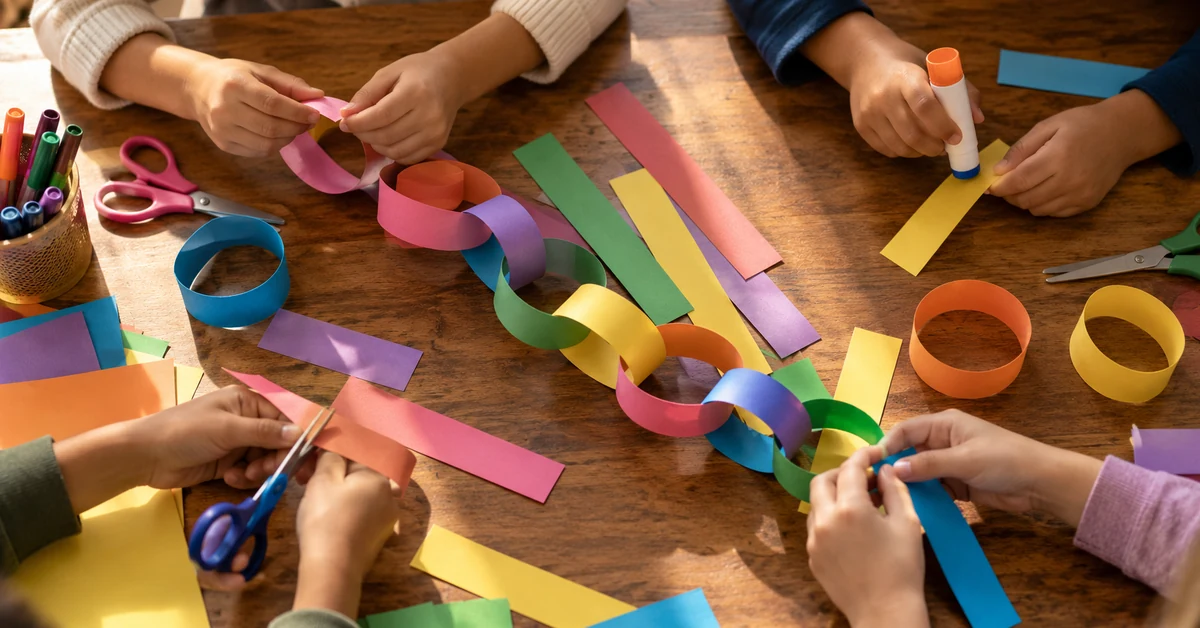
- Make a paper chain with one loop for each living thing.
- Color a food chain poster with green, yellow, and red boxes.
- Cut animal pictures from old magazines and glue them in order.
- Use stickers on a long paper strip to build a chain.
- Draw a bright sun at the top and add arrows down the chain.
- Fold paper into four parts and draw one link in each part.
- Make a bracelet with a different colored bead for each link
- Pin picture cards to a string with clothespins.
- Draw your own backyard food chain and label every link.
Food Chain Craft Project Ideas

Crafts turn a plain chain into something you can hold. Pick one that matches the supplies in your craft box.
- Make a paper plate wheel that spins to show each link.
- Build a hanging mobile with a wire hanger and string.
- Fold an accordion book with one animal on each page.
- Create a pop-up card where the top predator jumps out.
- Glue felt pieces onto a board to make a soft food chain.
- Paint small rocks as animals and line them up in order.
- Shape clay figures of each link and place them on a base.
- Make paper bag puppets for a short food chain show.
- Craft a lift-the-flap book that shows what eats what.
- Hang animal cutouts on yarn to make a wall display.
Read more: 100+ Science Project Ideas for Class 8: Easy and Unique Picks
Food Chain Model Project Ideas

Models show the chain in three parts. They look great on a display table.
- Build a shoebox pond scene with a clay frog and fish.
- Make a cardboard energy pyramid with one layer for each level.
- Set up a forest food chain on a tray with soil and small plants.
- Use colored toy bricks, one color for each level.
- Create a desert scene in a box with sand and a paper cactus.
- Build a cardboard tower where each floor is a trophic level.
- Make a salt dough habitat map with marked animals.
- Fill a plastic bin with blue paper and sea animals to model an ocean.
- Build a staircase where each step holds one living thing.
- Make a cube with a different food chain on each side.
Food Chain Science Experiment Ideas

These ideas let you test, count, and record. They are a good fit for a science fair.
- Set up a mini jar garden and write down changes for two weeks.
- Move 1,000 dried beans down four cups to show the 10% rule.
- Grow bean sprouts in light and in dark to see why plants need the sun.
- Watch pill bugs break down fallen leaves in a covered tub.
- Fill a bottle with kitchen scraps and track how they rot.
- Seal a slice of bread in a bag and watch mold grow. Keep the bag closed
- Compare how fast leaves rot in wet soil and in dry soil.
- Test how much algae grows in pond water with light and without it.
- Look at a pond water sample with a magnifier and an adult.
- Graph how plant height changes with more or less sunlight.
Outdoor and Nature Food Chain Project Ideas

Fresh air makes learning easy. Stay with an adult, and never touch wild animals.
- Watch one small patch of your backyard for 15 minutes a day.
- Keep a nature journal of every plant and animal you see.
- Look for signs of eating, like chewed leaves or seed shells.
- Build a bug hotel from sticks and record the visitors.
- Hang a bird feeder and note which birds come.
- Peek under a log, then put it back the way you found it.
- Take photos of plants, insects, and birds and sort them by role.
- Draw a food chain from what you saw on a park walk.
- Visit a pond and list the producers and consumers you spot.
- Make a map of your school yard that shows where each living thing lives.
Read more: 50+ Best Out of Waste Ideas for School Project: Easy and Unique Picks
Food Chain Games and Activities
Games make the order of the chain easy to remember. They are a great choice for group work.
- Play a tag game with grass, rabbits, and foxes.
- Make a card game where players build the longest correct chain.
- Create a food chain bingo with pictures.
- Act out animals in a game of charades.
- Design a board game where the sun starts each round.
- Run a relay race where teams put the links in the right order.
- Make a matching game that pairs each animal with its food.
- Play “Who am I?” with clues about what the animal eats.
- Cut a picture into puzzle pieces, one for each link.
- Remove one link from a chain and ask what changes.
Ocean, Pond, and Forest Food Chain Ideas
Each habitat has its own chain. Pick one and make it your own.
- Draw an ocean chain from tiny plankton to a blue whale.
- Make a pond chain from algae to a heron.
- Build a forest chain from oak leaves to a hawk.
- Show an Arctic chain that ends with a polar bear.
- Draw a desert chain with seeds, a kangaroo rat, and a snake.
- Make a rainforest chain with a jaguar at the top.
- Create a coral reef chain and label each link.
- Compare a lake chain with a river chain.
- Draw a savanna chain with grass, a zebra, and a lion.
- Make a wetland chain with insects, frogs, and birds.
Food Chain Project Ideas for Middle School
Older students can add numbers and short reports. These ideas build thinking skills.
- Build a spreadsheet that drops energy by 10% at each level.
- Try 5%, 10%, and 20% in your spreadsheet and compare the results.
- Make a food web poster for a local habitat.
- Put a food chain and a food web side by side.
- Study how a dry season could change a grassland chain.
- Research one invasive species and show how it changes a chain.
- Graph predator and prey numbers over time.
- Write a report on how decomposers help plants grow.
- Study how farmers use ladybugs to protect crops from pests.
- Build a model that shows why top predators are fewer in number.
Food Chain Project Ideas for High School
These ideas need research and clear sources. They suit science fairs and class presentations.
- Model what happens to a kelp forest when sea otters disappear.
- Use a bead model to show how harmful substances build up in fish.
- Study how overfishing changes ocean food chains.
- Research how pesticides affect insects and the birds that eat them.
- Map food webs in two habitats with free mapping tools.
- Study how warmer oceans affect plankton and the animals that eat them.
- Build a computer model of predator and prey numbers.
- Compare the energy needed for a plant-based and a meat-based diet.
- Research how the return of wolves affected Yellowstone.
- Test how changing the energy rate changes the number of levels.
Art, Writing, and Tech Food Chain Ideas
Not every project needs scissors. These ideas work for students who like to write, draw, or film.
- Write a short story from the view of a grasshopper.
- Film a stop-motion video of a food chain in action.
- Record a short podcast that explains energy loss.
- Draw a comic strip about a day at a pond.
- Build a slideshow with photos from your own backyard.
- Write a poem for each level of a food chain.
- Design an infographic that shows the 10% rule.
- Write a song or rap that teaches the order of a chain.
- Make a simple slide deck about a habitat near your school.
- Stage a class play where students act as producers, consumers, and decomposers.
Food Chain Project Ideas for Students (Free PDF)
How Do You Make a Food Chain Project for School?

There are many ways to make a food chain project. The right one depends on your grade and your supplies. Here are three that go from easy to more detailed.
1. Paper Plate Food Chain Wheel
Materials:
- Two paper plates
- Markers or crayons
- Scissors
- One brass fastener
- A strip of card stock
Instructions:
- Draw a line to split one plate into five parts.
- Draw one living thing in each part, starting with grass.
- Cut a pointer from the card stock and make a small hole near one end.
- Push the fastener through the pointer and the center of the plate.
- Spin the pointer to show each step of the chain.
- Write one short fact below each picture.
How it works: The pointer moves in the same order as the energy. Grass comes first, and the top predator comes last.
Presentation Ideas for this project:
- Say what each animal eats.
- Explain why the sun starts every chain.
- Show where the decomposers belong.
2. Bean Energy Pyramid
Materials:
- Four paper cups
- 1,000 dried beans
- A marker
- A tray
Instructions:
- Label the cups producer, plant-eater, small meat-eater, and top predator.
- Put 1,000 beans in the first cup.
- Move 100 beans to the second cup.
- Move 10 beans from there to the third cup.
- Move 1 bean to the fourth cup.
- Set the cups on the tray in order, from biggest to smallest.
How it works: Each bean stands for a unit of energy. Most of the energy is lost at every step, so the top cup holds almost nothing.
Presentation Ideas for this project:
- Explain why the 10% rule limits the length of a chain.
- Show why a habitat has fewer hawks than grasshoppers.
- Take a photo of each step for your board.
3. Research and Presentation Project
If you cannot build a model, you can make a presentation instead.
Possible Topics:
- How a food chain works from sun to top predator
- The difference between a food chain and a food web
- What decomposers do
- How a chain changes when one animal disappears
- Food chains in the ocean, desert, and forest
Presentation Ideas:
- Make a slideshow with pictures and short facts.
- Create a poster board with a clear diagram.
- Write a one-page report and add a labeled drawing.
- Build a small scene to go with your talk.
General Tips for Any Food Chain Project
- Start early so you have time to gather supplies.
- Draw every arrow from the food to the animal that eats it.
- Use trusted sources like National Geographic, NOAA, or a school library.
- Keep labels short and easy to read.
- Use color to show producers, plant-eaters, and meat-eaters.
- Practice a one-minute talk before the big day.
- Ask an adult for help with jars, soil, or anything messy.
Read more: Halloweentown 5 Release Date: Disney Is Bringing the Magic Back
FAQ
What is the easiest food chain project for kids?
A paper chain is the easiest. Draw one living thing on each paper strip and loop the strips together in order. It takes less than an hour and uses only paper, glue, and markers.
How many links should a food chain have?
Four or five links is the best choice. Energy drops at every step, so most habitats cannot hold more than five levels. Add decomposers at the end if you want to show the full cycle.
Which way do the arrows point in a food chain?
Arrows point from the food to the animal that eats it. If a frog eats a grasshopper, the arrow goes from the grasshopper to the frog. The arrow shows the way energy moves.
What is the difference between a food chain and a food web?
A food chain follows one path of energy. A food web joins many chains together in one habitat. Most animals eat more than one thing, so a web looks closer to real life.
Can I make a food chain project on a computer?
Yes. You can make a slideshow, a short video, or a spreadsheet that shows the 10% rule. Add your own photos and name your sources at the end.