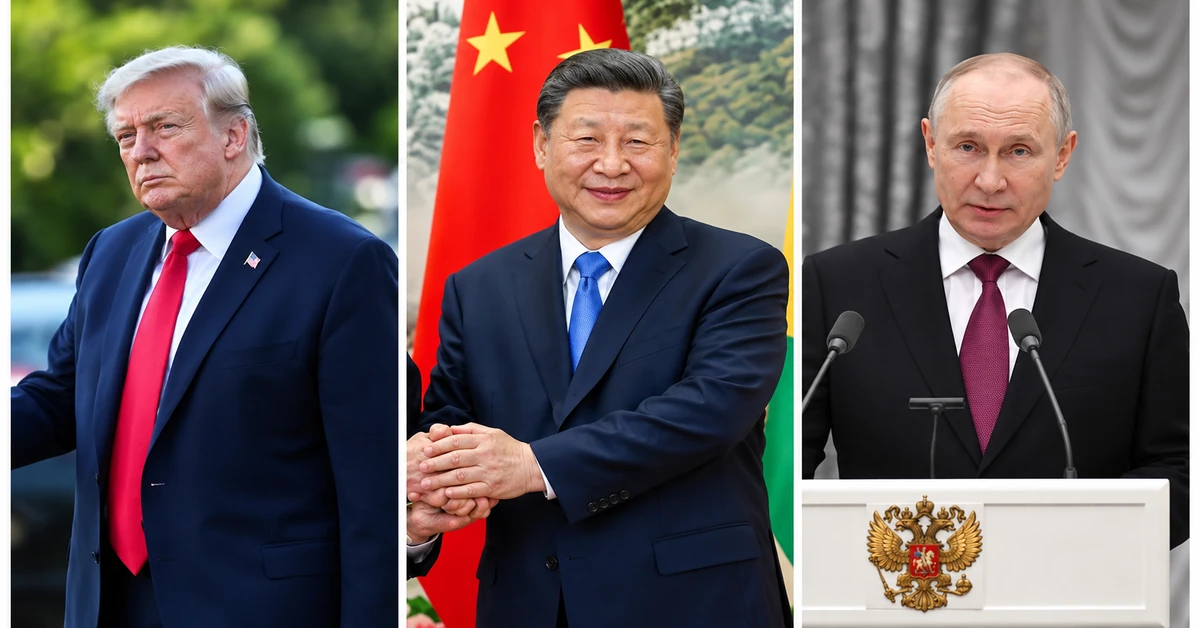
The Trump Xi Putin summit will bring the leaders of the three largest nuclear powers together for the first time next week. No treaty now caps the US and Russian arsenals. The White House has confirmed the meeting will take place in Shenzhen, China, on the sidelines of the APEC leaders’ meeting. Expectations are low, and a senior US official has already said no deal is likely. Nuclear arms and the Iran war are on the US list, and Kyiv has voiced worry about being left out.
Key Points
- Trump, Xi Jinping and Vladimir Putin will meet on the sidelines of the APEC summit in Shenzhen, set for November 18 and 19.
- The three leaders have never held joint talks before.
- The last US-Russia nuclear treaty expired in February, and Trump wants China included in any new deal.
- A senior US official said no agreement is expected and called the meeting the start of a conversation.
- Trump plans to raise the Iran war and nuclear arms, and to steer away from Ukraine.
Read more: Trump-Xi Summit: Xi Jinping Lands In Washington For Talks On AI, Iran And Trade
What the White House Confirmed About the Trump Xi Putin Summit

The White House said the three presidents will meet in Shenzhen, China’s tech hub, on the sidelines of the Asia-Pacific Economic Cooperation (APEC) summit. An assistant press secretary announced the plan, Al Jazeera reported on November 14. The APEC leaders’ meeting runs November 18 and 19.
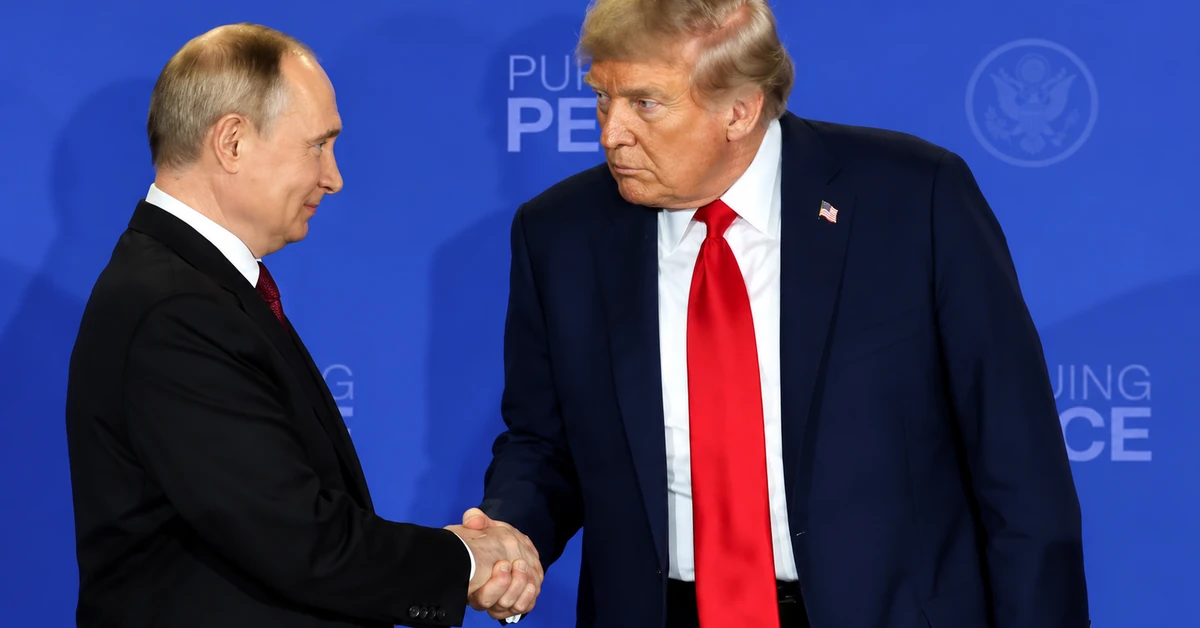
Each leader has held talks with the other two on their own. They have never met as a group. Trump held a summit with Xi in Beijing in May, but Shenzhen will be the first time all three share a table.
The idea built up in public over several weeks. Trump said in October that he was open to three-way talks focused on nuclear weapons. Kremlin spokesman Dmitry Peskov said on November 3 that work was under way to arrange it. A day later, Chinese Foreign Ministry spokesperson Mao Ning said Beijing was in contact with the other sides, according to an Al Jazeera explainer.
On November 8, Trump told reporters he expected to meet both men in China. “We’re trying to end the war in Iran,” he said, in a Reuters report carried by AsiaOne.
The announcement settles where the meeting happens. It does not settle what the three will agree on. That starts with nuclear weapons.
Why Nuclear Arms Lead the Agenda

The New START treaty was the last pact between Washington and Moscow limiting nuclear warheads. It expired in February. For the first time in more than 50 years, the two largest arsenals have no formal limits.
Trump turned down a Russian offer to extend the treaty by one year. He asked for a new, updated deal that also covers China. Russia holds the most warheads, followed by the US and then China, according to the Stockholm International Peace Research Institute.
China has pushed back. Last month, its Foreign Ministry said it would not be fair or realistic to ask Beijing to join three-way disarmament talks at this stage.
The US side is not promising much. “We do not expect to get to any kind of agreement,” a senior Trump administration official told Reuters. The official described the meeting as the start of a conversation.
Without limits, each side can build and deploy as many warheads as it chooses. That is why even a small step in Shenzhen would draw attention. Each leader also arrives with a different goal.
Read more: Trump Iran Deal: President Says US No Longer Needs One
What Trump, Xi and Putin Each Want From the Meeting

Putin gains the most from the photo alone, said Moscow-based analyst Alexander Bratersky. Sitting with the US and Chinese presidents lets Russia show it still helps shape Europe’s future, he told Al Jazeera. The Wall Street Journal reported that Putin has pitched the meeting as a place to discuss ending the war in Ukraine.
Trump wants a visible win, said Inderjeet Parmar, a professor of international politics at City St George’s, University of London. The meeting lets Trump present himself as “the indispensable deal-maker,” Parmar said. Democrats won control of both chambers of Congress in this month’s midterm elections. After that result, Parmar said, the domestic need for a foreign policy success is real.
Xi appears to want less. German President Frank-Walter Steinmeier said Xi told him in Beijing on October 30 that the three leaders would probably meet in Shenzhen, but not to talk about Ukraine. Xi called the war a European conflict, Steinmeier said, and argued that Europeans must have a seat at the table.
Those three goals do not line up. The gap is widest on Ukraine, where the people most affected are not invited.
Ukraine and Europe Fear Being Sidelined

A senior US official said Trump will steer away from the Russia-Ukraine war in Shenzhen. Trump plans to focus on Iran and nuclear arms instead.
Ukrainian President Volodymyr Zelenskyy has voiced concern that the meeting could become a place to discuss a Ukraine deal behind Kyiv’s back. Trump told CBS’s 60 Minutes that he believes a deal to end the war is close. He gave no details.
European governments want a say as well. The EU has picked five countries to speak for Europe in Ukraine peace talks, Al Jazeera reported on November 13. Whether that group gets a hearing in Shenzhen is unclear.
The worry is bigger than one war. It touches how the biggest powers talk to each other, and that is where the Yalta comparisons come in.
Read more: Trump Tax Returns: Truth Social Post Accuses Democrats of “Get Trump” Effort
Why the Trump Xi Putin Summit Draws Yalta Comparisons

Some commentators have compared the planned meeting to the 1945 Yalta Conference. At Yalta, the leaders of the US, Britain and the Soviet Union shaped the post-war order in Europe. A senior Russian lawmaker has described the Shenzhen meeting as a path toward a new Yalta, Bratersky said.
Peskov rejected the comparison. He said any agreements reached in Shenzhen cannot be forced on other countries. He still called the meeting very significant.
Parmar sees a different risk. He said a free-standing meeting of the three powers breaks from the post-1945 pattern, in which Washington consulted allies in Europe and Asia before engaging Moscow or Beijing. Allies could be treated as secondary players, he said, with their interests handled after the fact.
He also played down fears of a formal “G3” club. The three capitals disagree sharply on Ukraine, Taiwan, technology and the rules of the global economy, Parmar said. The real danger, in his view, is that big-power deals made with little consultation start to look normal.
What Comes After the Trump Xi Putin Summit

Results may take time to show. Bratersky said it should become clear within about a month whether the meeting produces anything. A follow-up could come at the Group of 20 summit in Miami in December. If nothing emerges before Christmas, he said, it will be just a photo opportunity.
Trump has pursued closer ties with both leaders. That includes a short-lived trade war with China last year and Russia’s ongoing war in Ukraine, where Washington is trying to broker a deal.
Elon Musk will travel with Trump to China but will not attend the meeting, the senior US official said. Trump is not expected to meet North Korean leader Kim Jong Un during the Asia trip.
Read more: Jensen Huang Net Worth 2026: How Much the Nvidia Co-Founder Is Worth Now
FAQ
When is the Trump Xi Putin summit?
The APEC summit in Shenzhen runs November 18 and 19. The White House says the three-way meeting will take place on its sidelines next week. A exact time has not been made public so far.
Where will the leaders meet?
The meeting will be held in Shenzhen, a tech hub in southern China. The city is hosting the APEC leaders’ summit, and the three presidents will meet on the sidelines of that event.
Will the leaders sign a nuclear deal?
A deal looks unlikely. A senior Trump administration official told Reuters that no agreement is expected. China has also said it is neither fair nor realistic to ask it to join nuclear disarmament talks at this stage.
Will Ukraine be discussed?
A senior US official says Trump will steer away from Ukraine and focus on Iran and nuclear arms. Putin has reportedly pitched the meeting as a place to discuss Ukraine, while Xi told Steinmeier he did not want it to be about Ukraine.
Is Elon Musk attending the meeting?
No. The senior US official said Musk will travel with Trump to China but will not attend the three-way meeting.