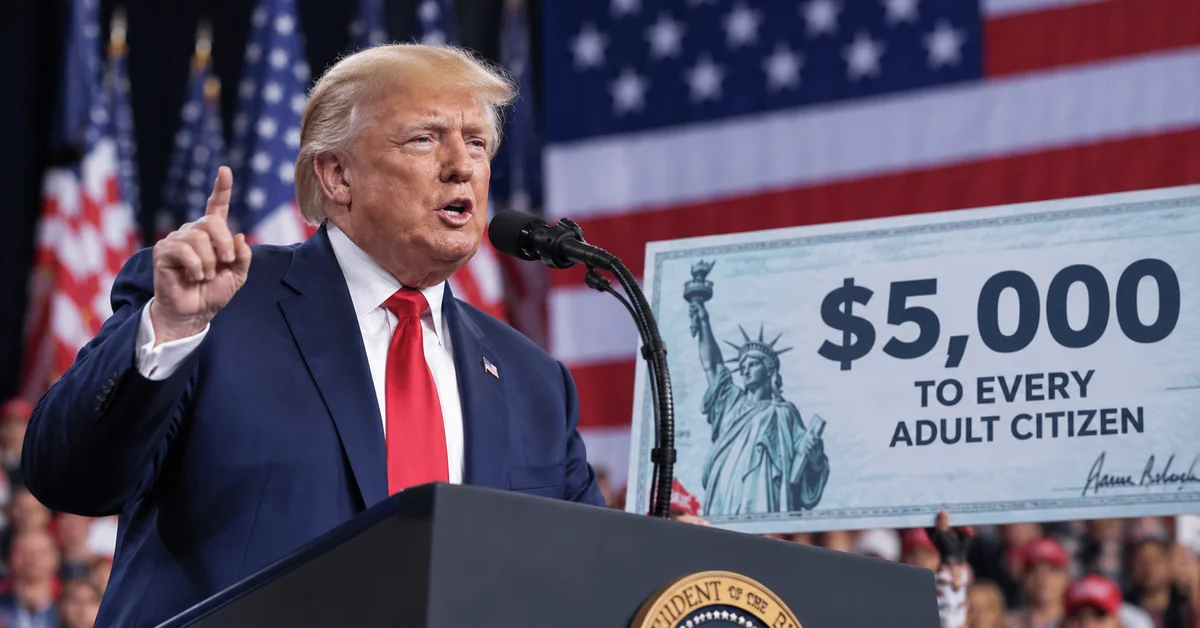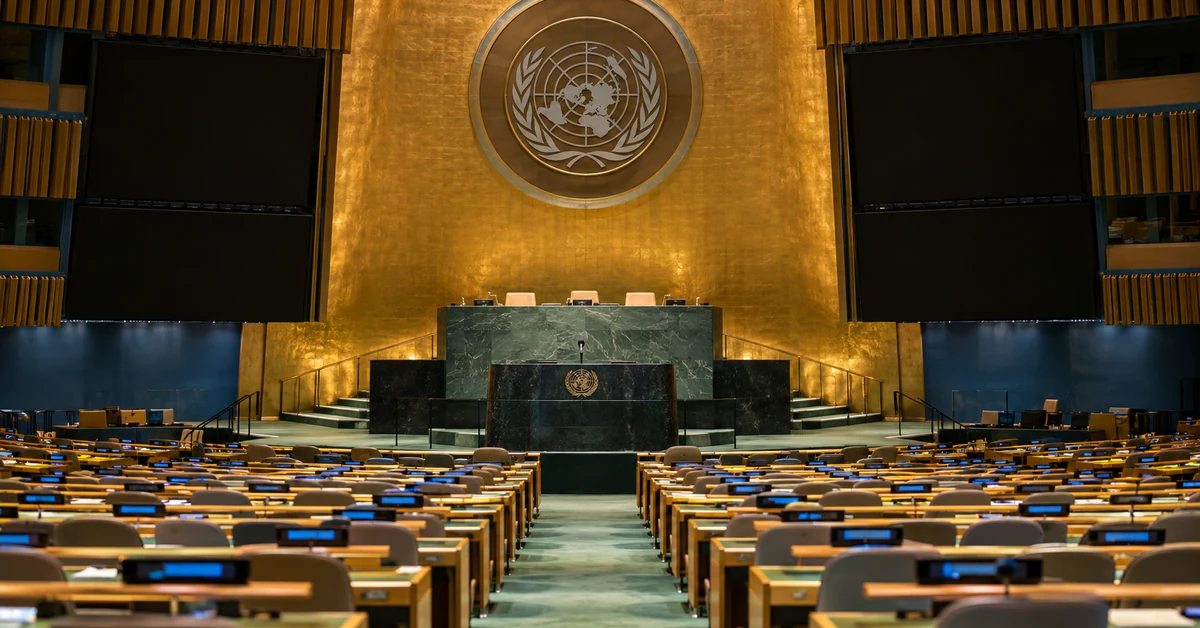
Donald Trump stood before the UN General Assembly on Tuesday and made his case. He defended the strikes on Iran and Venezuela. He pushed other nations to keep squeezing Tehran economically. And somewhere in between, he asked the world to stop calling AI “artificial.”
The speech came during the General Debate of the Assembly’s 81st session, with leaders from across the globe packed into the hall in New York. Trump framed his message around a single choice: cut a deal with Iran, or go much further. It wasn’t a subtle speech, and it wasn’t meant to be. Trump has never really done subtle at the UN, and this year was no different.
Trump Says Iran Will Never Get A Nuclear Weapon
Iran took up most of the speech. Trump called the country “the number one sponsor of terror” and didn’t hold back from there. He said his administration finally confronted something previous leaders, American and foreign alike, had let slide for decades.
He told the room that Iran’s government had spread “carnage and chaos” through the Middle East and beyond for 51 years running. That’s not a small claim to make in front of an audience like that, but Trump has made versions of it before, and this time he leaned into it harder.
“I will never allow Iran to have a nuclear weapon,” he told the Assembly.
According to Trump, his team had offered Iran a straightforward trade: economic cooperation in exchange for ending its nuclear program and cutting support for terrorism. Iran said no, he claimed. What followed was Operation Midnight Hammer, which Trump said buried Iran’s nuclear program under rubble.
He didn’t stop there. Trump said later strikes hit Iran’s navy, its air defenses, and its missile factories, leaving the country’s military far weaker than before. He wanted the room to understand this wasn’t a one-off operation, but a sustained campaign.
Then came the harder question, the one he posed almost rhetorically. Would a future deal let Iran rebuild into something even stronger than it was before? Or should the goal be wiping out the regime entirely, with no path back? Trump laid both out as live options, though he leaned toward optimism by the end of that section.
“I believe we’ll make a deal,” he said, before asking allies to keep the pressure on Iran until it stops targeting commercial ships and funding terror groups abroad. It was a classic Trump move: threaten the worst, then say he still expects things to work out.
Read more: Crude Oil Jumps After Trump’s ‘Crushing’ Economic Threat to Iran
Trump Claims Credit For Ending Eight Conflicts
From there, Trump pivoted to something he clearly wanted the world to notice. He said he’d helped end eight separate conflicts since taking office again, and he ran through the list one by one: Cambodia and Thailand, Kosovo and Serbia, the Democratic Republic of Congo and Rwanda, Pakistan and India, Armenia and Azerbaijan, and the war in Gaza.
Russia and Ukraine didn’t make that finished list, but Trump said work on that front is still ongoing, and he wasn’t shy about how urgent he thinks it is.
“It’s time to stop the killing,” he said, pressing for a quicker end to that war.
US Military Action In Venezuela Gets Highlighted
The Americas got their own section of the speech, and Venezuela led it by a wide margin. Trump described a US military operation there that ended with President Nicolás Maduro under arrest, something he treated as a genuine turning point for the region rather than just another line item.
He said Washington is now working with Venezuelan leaders on what he called a better future for the country’s people, and he tied that directly to a new oil agreement between the two nations. The message was clear enough: regime change first, economic partnership second.
Mexico came next, though the tone shifted from diplomacy toward crime and control. Trump pointed to cartels now formally labeled as foreign terrorist organizations and called on Mexico to take its own territory back from what he described as enemies operating within its borders.
Cuba got a brief mention too. Trump said his government wants to see a real, fundamental change in the situation there, though he didn’t spell out what that would actually look like in practice. It sounded more like a signal than a policy.
Greenland, on the other hand, got real detail. Trump praised an upcoming agreement with Denmark over the territory, calling it strategically vital for both regional and global security. He said the deal would hand the US permanent control over security matters there and strengthen NATO’s position across the Arctic and North Atlantic, tying it back to broader alliance planning rather than treating it as a standalone move.
Read more: USA vs Venezuela Baseball: How Venezuela Won the 2026 WBC
Trump Wants AI Renamed “Superintelligence”
Midway through, Trump shifted gears entirely and started talking about artificial intelligence, or rather, why he thinks the name itself is the problem.
“The use of the word artificial makes intelligence fake,” he said. “It’s not fake. It’s actually amazing.”
He argued the term should be “superintelligence” instead, and framed the whole technology as the next big battleground for economic and political power. Whoever leads on it, he said, wins the wider competition that follows. It was an unusual detour for a UN speech, but it fit the pattern of a leader who likes to reframe things on his own terms.
Trump added that his administration plans to push AI development forward aggressively, while still keeping an eye on the risks that come with moving that fast.
Trump Criticizes ICC, UN Human Rights Council, UNESCO
He wasn’t done taking shots at institutions either. Trump called the International Criminal Court an organization “full of evil people” and said it has zero authority over the United States. He wants other countries to walk away from it too.
The UN Human Rights Council didn’t fare any better. Trump accused the Geneva-based body of obsessing over the US while looking past abuses happening elsewhere in the world.
UNESCO and the International Maritime Organization got criticized as well. Trump’s argument was the same one he’s made before at the UN: these groups shouldn’t be pushing what he calls global governance onto member states. This isn’t new territory for him either. Last year’s UN address followed a similar script, when he took aim at the UN itself, NATO, and what he called the climate “hoax.”
Trump Closes With Call For Global Cooperation
By the end, the tone softened a little. Trump urged nations to meet the world’s problems with courage and resolve, and said working together could build a future that’s brighter and more hopeful than what came before.
The General Debate is expected to run through the week, with more heads of state still due to take the podium in the days ahead, each getting their own moment to set the tone for how 2026 plays out on the world stage.