President Donald Trump said on Monday that the US Department of Agriculture will launch an $8 billion Harvest Fuel Relief Program to help farmers pay for diesel this harvest. He made the announcement during a midterm campaign speech in Park City, Kansas, Reuters reported.
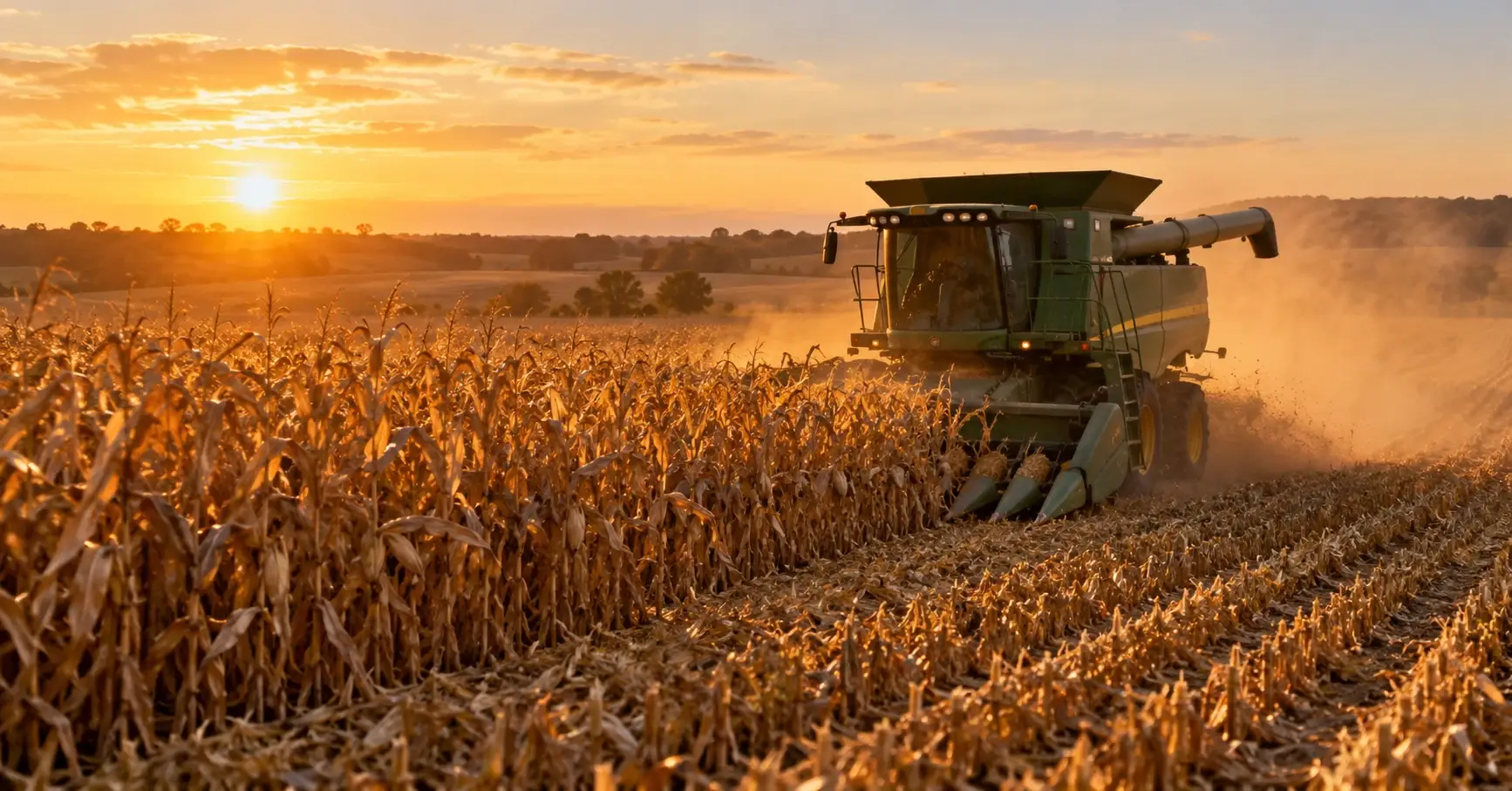
Diesel runs the combines and grain trucks that bring a crop in, so higher prices cut into farm income. The money will arrive as one-time payments through the Farm Service Agency. Farmers now want to know who qualifies, how much they will get and when. USDA has answered only part of that so far.
Key Points
- Trump announced the program on October 19, 2026, in Park City, Kansas.
- USDA will pay $8 billion in one-time payments for the 2026 crop year.
- The Farm Service Agency will run the payments.
- Payment rates for major commodity crops are due in November.
- Specialty crop growers and commercial fishermen should send fuel cost data to HarvestFuel@usda.gov.
Read more: Trump-Xi Summit: Xi Jinping Lands In Washington For Talks On AI, Iran And Trade
What Trump Said About the Harvest Fuel Relief Program

Trump spoke in Park City on Monday night. He said the Department of Agriculture will be “launching a new harvest fuel relief program,” according to Reuters. He described it as $8 billion in support to offset diesel costs through the harvest season.
The speech was part of his push ahead of the midterm elections. Reuters reported that his approval rating has stayed low because of the cost of living. It linked that pressure to higher fuel prices during the US-Israeli war on Iran.
Trump also pointed to an executive order he signed earlier this month. Reuters said the order expands access to tax-exempt diesel. Trump described it as a waiver of the off-road rule for red-dye diesel, which lets farmers and truckers fill up without the usual fuel tax.
USDA confirmed the plan after the speech. Agriculture Secretary Brooke Rollins said “more targeted relief is coming to our farmers,” according to Ohio’s Country Journal. She said the $8 billion will bring certainty to farmers during harvest.
The next question is how USDA plans to pay out the money.
How the $8 Billion Will Be Paid

USDA says the payments are one-time and cover the 2026 crop year. They will cover part of the losses USDA models for farmers, not every dollar spent on fuel. Every producer is paid under the same formula, so the rate depends on the crop.
The formula uses three sets of data. Agri-Pulse reported that they are planted acres reported to the Farm Service Agency, cost of production estimates from USDA’s Economic Research Service, and yield and price figures from the WASDE crop report.
The Farm Service Agency, which sits inside USDA, will run the program. The money comes from the Commodity Credit Corporation, a USDA funding tool. Ohio’s Country Journal said the plan falls under the Commodity Credit Corporation Charter Act.
The design copies the Farmer Bridge Assistance program. That program sent $12 billion in one-time payments to more than 560,000 farmers earlier this year, the same outlet reported. Farmers who got that check will find the new process familiar.
Read more: Trump AI Force: President Announces New Group and Plans to Name a Czar
Who Can Apply and What Farmers Should Do Now
USDA has not opened applications yet. It plans to release payment rates for Title I commodity crops in November. Title I is the farm bill group that includes crops such as corn, soybeans and wheat.
Payment methods for other crops will come later. Specialty crop growers and commercial fishermen are asked to send data on their higher fuel costs to HarvestFuel@usda.gov. USDA says it will use that data when it sets rates for those groups.
Crop insurance is not required to join the program. USDA still encourages producers to use the risk management tools available to them. Those tools protect against long-term price swings.
Farmers can prepare now. USDA urges producers to create a Login.gov account before applications open. Linking that account to USDA gives access to a pre-filled online application, which should save time.
Many farmers will ask why this support arrives now.
Why Farmers Face Higher Diesel Bills

A previous report in the Hawaii Tribune-Herald said the war against Iran disrupted global oil supply and pushed diesel up by nearly $1 per gallon. Diesel powers tractors, and fertilizer costs also rose, the report said.
Farm finances were already under strain. The same report cited a January survey by Farm Journal, an agricultural publisher. A majority of farmers said they were worse off than a year earlier.
Tariffs add another cost. The report noted that Trump has put high tariffs on goods farmers need, including metal used for farm buildings and tractors. Farm families feel these costs at every step, from fuel to equipment.
This is why the harvest timing matters. Farmers burn the most diesel in the fall, when fields must be cleared before the weather turns.
Read more: Trump Promises $5,000 Dividend Check to Every Adult Citizen
What Earlier Farm Aid Looked Like
The new program joins a growing list of federal payments. Trump rolled out a $12 billion aid package for farmers in December, according to the Hawaii Tribune-Herald report. USDA later named it the Farmer Bridge Assistance program.
Ohio’s Country Journal added that nearly $14 billion in gross payments recently went to producers through the Agriculture Risk Coverage and Price Loss Coverage programs. It said that figure is about $8 billion above baseline projections.
Farm groups have said past aid helped but fell short. Reuters reported earlier this year that industry groups called a separate $11 billion funding request important for spring planting, but not enough to make farmers whole. Whether $8 billion is enough this time will depend on the final payment rates.
What Is Still Unknown
USDA has shared the formula but not the dollar amounts per acre. Rates for Title I crops are expected in November. Rules for other crops, along with the application window, are still to come.
USDA said more details on timelines, commodity payments and regional rules will follow in the coming weeks. Farmers should watch the Farm Service Agency for updates and check that their acreage records are current.
Read more: American Horror Story Season 13 Review: Lange Returns, but Is It Worth Your Time?
FAQ
What is the Harvest Fuel Relief Program?
It is an $8 billion USDA program that gives farmers one-time payments to offset diesel and other input costs. The payments cover part of the losses USDA models for the 2026 crop year. The Farm Service Agency runs it.
When did Trump announce the program?
Trump announced it on Monday, October 19, 2026, during a campaign speech in Park City, Kansas. USDA confirmed the details in a statement after the speech.
When will farmers get paid?
USDA has not given a payment date. It plans to release rates for Title I commodity crops in November. Application timelines will follow in the coming weeks.
Do farmers need crop insurance to qualify?
No. USDA says crop insurance is not required to take part. The department still encourages producers to use available risk management options.
How can specialty crop growers and fishermen take part?
They should send data on their higher fuel costs to HarvestFuel@usda.gov. USDA will use that information to set payment rates for crops outside the Title I group.
What should farmers do before applications open?
Create a Login.gov account and link it to USDA. USDA says this gives access to a pre-filled online application, which speeds up the filing process.