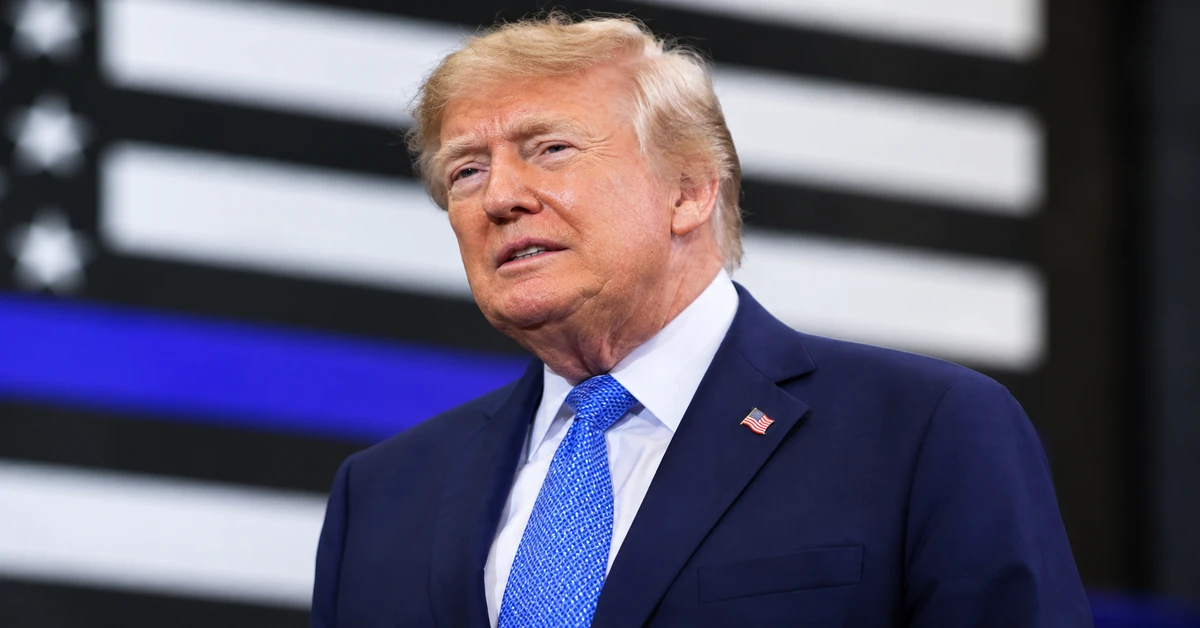
The Iran blockade is staying in place, and Qatar’s peace push has not changed that yet. President Donald Trump said on Monday, November 9, 2026, that the US will keep its naval blockade and a new land operation called Operation Iron Gate. He made the announcement after meeting Qatar’s prime minister. He also said the US is unlikely to restart strikes on Iran. Ships, oil prices and a possible peace deal all depend on what happens next.
Key Points
- Trump said Qatar, Saudi Arabia, the UAE, Bahrain and Kuwait prefer the “status quo,” meaning the naval blockade plus Operation Iron Gate.
- He said Iran must not get a nuclear weapon and called that demand non-negotiable.
- Trump said new strikes on Iran seem unlikely, but the US is ready if things change.
- Qatar’s prime minister called his White House talks positive, but Qatar says it cannot tell how close a deal is.
- The claim about Gulf support comes from Trump’s post. The reports checked for this article did not include statements from those governments.
Read more: Trump Questions Midterm Election Results After Accepting Them
What Trump Said After Meeting Qatar’s Prime Minister

Trump wrote his post on Truth Social after talking with Sheikh Mohammed bin Abdulrahman bin Jassim Al Thani. He is Qatar’s prime minister and also its foreign minister. Reports say the meeting took place around noon on Monday and lasted about 45 minutes. Vice President JD Vance was also part of the talks.
The main message was simple. Trump said several Gulf countries want things to stay the way they are. He described that as a continuation of the naval blockade and the new Operation Iron Gate, covering land and sea. He added that all of them agree Iran cannot have a nuclear weapon. Iran has repeatedly denied that it wants one.
Trump also left the door open. He said the US is “locked and loaded” if the situation in the Middle East changes. In the same post, he said that outcome seems quite unlikely and that he sees positive momentum toward ending the conflict. He also wrote that the US will protect its own interests at all times.
Why does this matter to people far from the Gulf? Because the Iran blockade and the fight over shipping lanes affect the price of oil, and oil affects the price of almost everything else, from petrol to plane tickets.
How the Iran Blockade Started

To understand why this post got so much attention, it helps to go back a few months. The war began in late February, when the US and Israel launched it against Iran. Iran answered by blocking the Strait of Hormuz. It attacked ships and laid mines, which pushed most non-Iranian traffic away from the route.
The US then put its own blockade on Iranian ports. Since August, Washington has also added new rounds of sanctions, which it calls “economic asphyxiation.” In plain words, the goal is to cut off Iran’s money until it agrees to US terms.
Both sides now hold something the other wants. Iran holds the strait. The US holds Iran’s ports. That is why a simple deal has been so hard to reach, and why every new post, meeting or strike moves the news.
Read more: Trump Oil Portfolio Up 43% as Americans Pay More at Pump
What Operation Iron Gate Adds to the Iran Blockade

Before this week, most people knew about the blockade at sea. Operation Iron Gate adds pressure on land.
US Central Command announced Task Force Iron Gate to stop advanced weapons, dual-use technology, sanctioned materials and illegal money from moving through Iran’s land borders and the Caspian Sea. Trump said on Sunday that the task force was working at full strength. He also claimed the naval blockade had sharply cut the flow of goods in and out of Iran.
Think of it like closing both the front door and the back door of a house. The ports are one door. The land borders are the other. The economic campaign also includes sanctions on Iranian banks, oil exports and companies that help Iran dodge sanctions.
Defense Secretary Pete Hegseth also said the naval blockade of Iranian ports remains in place and that Washington controls the Strait of Hormuz. Iran does not agree with that last claim. Its own demands show that the strait is still a major problem, which leads to the next big question.
Why the Strait of Hormuz Matters for the Iran Blockade

The Strait of Hormuz is a narrow stretch of water between Iran and its neighbors. Ships carrying oil and gas have to pass through it. Before the conflict, the strait carried roughly 20% of global oil supplies.
Picture a very busy road with only one lane in the middle of a big highway system. If a crash blocks that lane, traffic backs up for miles. That is what happens to oil when ships cannot move freely through Hormuz.
Here is what that means for regular people. When fewer ships can pass, oil gets harder to move, and prices can jump. Oil prices fell nearly 4% on November 2 on hopes that talks would work, even though the strait stayed closed. A single hopeful headline can move the price. A real deal could move it more.
Read more: Trump Says Canada Is Working Hard on a Trade Deal, and the US Holds “All the Cards”
Why Qatar Is Playing Middleman

Qatar sits right on the Gulf, so it feels the effects of the shipping trouble directly. That gives it a strong reason to push for peace. Qatar and Pakistan have both been passing messages between Washington and Tehran for weeks.
The Qatari prime minister visited Tehran last week before flying to meet Trump. That makes him one of the few leaders who has spoken to both sides in the past few days. A Qatari delegation went to Iran on the Friday before, after a letter from Vance, and an Iranian team traveled to Qatar the next day.
Qatar’s plan, as reported, would work like a trade. Washington would ease its naval blockade and release frozen Iranian money. Tehran would allow nuclear inspections and reopen the strait. Nothing has been signed yet.
Iran’s Side of the Story
Iran has been clear about what it wants. It sent a seven-step plan in September, and Trump rejected it. Iran now says a revised version could start within two days if Washington meets its demands.
Those demands include waiving oil sanctions, ending the naval blockade and releasing frozen funds. Iran’s president said at the United Nations in September that Tehran would not allow free passage through Hormuz while sanctions and the blockade remain. An Iranian commander has also asked for recognition of Iran’s control over the strait and a promise that Iran will not be attacked again.
The US has said no to some of this. Washington rejected an Iranian idea to run the strait jointly with Oman. It says ships should have free passage under international law.
On November 3, Iran called the latest US reply unconvincing, and Trump confirmed strikes on an Iranian island near the strait. Iran’s foreign ministry spokesperson said Tehran would keep its side of the proposal if Washington lifts sanctions and the blockade.
Read more: Trump Waives Russia Sanctions, Putting 100% Tariffs on Hold
Where the US and Iran Talks Stand Now
The two sides are still far apart, but both say they want to keep talking. Trump has sent mixed signals. On Sunday he told CNN that fresh strikes were highly unlikely as long as talks keep moving. He also said the outcome depends on whether Iran signs a very strong agreement, and that the US has picked out power plants and bridges as possible targets. He said it most likely would not be needed.
Qatar is careful about its own words. A Qatari foreign ministry official said on Tuesday that he cannot say how close or how far away an agreement is. That honest answer shows how unsettled things are.
What to Watch After the Qatar Talks

These talks came after the US midterm elections last week, as efforts to end the war picked up speed. Many people feared the fighting could flare up again once the vote was over. So far, Trump’s post points the other way, at least for now.
Three things will show where this goes next:
- Whether the US answer, passed to Tehran through Qatar, meets Iran’s conditions.
- Whether any Gulf government confirms Trump’s claim in public.
- Whether ships start moving through the Strait of Hormuz again.
Until one of those changes, the Iran blockade stays, and so does the risk to oil supplies.
Read more: Mark Zuckerberg Net Worth 2026: How Much Is the Meta Founder Worth?
FAQ
What did Trump say about the Iran blockade?
He said Qatar, Saudi Arabia, the UAE, Bahrain and Kuwait prefer keeping the blockade and Operation Iron Gate. He described this as the status quo. He also said Iran cannot have a nuclear weapon.
What is Operation Iron Gate?
It is a US task force aimed at stopping weapons, sensitive technology and illegal money from crossing Iran’s land borders and the Caspian Sea. It works alongside the naval blockade of Iranian ports.
Will the US strike Iran again?
Trump said it seems unlikely right now, but the US is ready if things change. He has linked the outcome to whether Iran signs a strong agreement.
Why is the Strait of Hormuz so important?
About 20% of global oil supplies passed through it before the conflict. When ships cannot move freely, fuel prices can rise in many countries.
Who is helping the US and Iran talk?
Qatar is the main mediator, with help from Pakistan. Qatar’s prime minister met Trump and Vance on Monday after visiting Tehran last week.
What does Iran want in return for reopening the strait?
Iran wants sanctions lifted, the naval blockade ended and frozen funds released. It says the strait can reopen within two days once those demands are met.