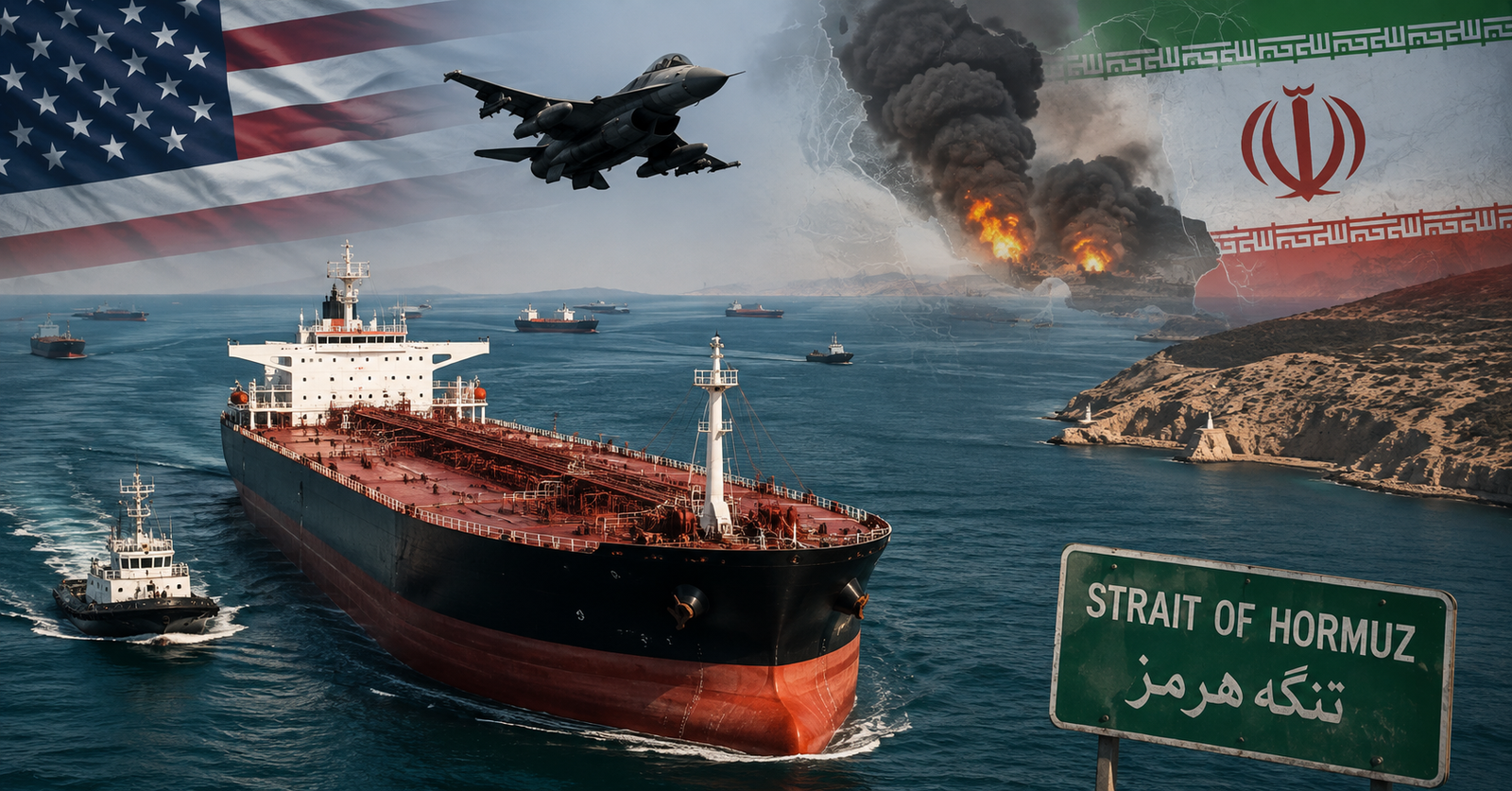
Tensions around the Strait of Hormuz are rising again.
The United States struck Iranian targets near the waterway on Monday. Hours later, two oil tankers were hit by unknown projectiles.
The incidents have raised fresh concerns about commercial shipping in the region. Iran has also warned that its next response could be “several times larger” than the attacks it has already faced.
US Treasury Secretary Scott Bessent added another twist to the story on Tuesday. Speaking at the G20 finance ministers’ meeting in Asheville, North Carolina, he said the strategic waterway could become a “worthless piece of water” within two years.
Bessent believes more oil could move through land-based pipelines instead of ships. That could reduce Iran’s ability to use the route as a pressure point.
Read more :Bessent Gives Iran a Stark Economic Ultimatum: Collapse or Rejoin the World
US Strikes Iranian Targets as Tensions Escalate
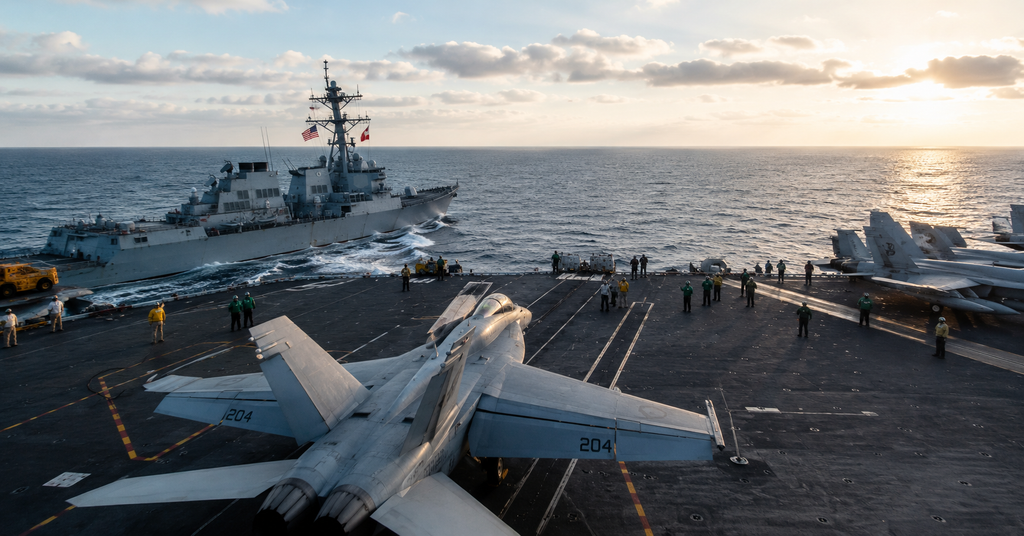
US Central Command carried out strikes against Islamic Revolutionary Guard Corps targets in Iran on Monday.
US officials said the strikes followed new attempts by Iranian forces to target commercial shipping and US troops in the region.
President Trump confirmed the action and warned Tehran against further escalation.
Trump has called the wider conflict “a relatively little war for us.” The fighting, however, has continued for several months.
The war began on February 28, 2026. The US and Israel launched joint strikes against Iranian military and government sites at the start of the conflict.
Iran’s Revolutionary Guard says its operations will continue.
A senior Iranian military source told the Tasnim news agency that the next response would be much larger than previous attacks.
Tehran has also told the United Nations that any new US action would receive a “decisive and proportionate” response.
Two Tankers Hit in One Night
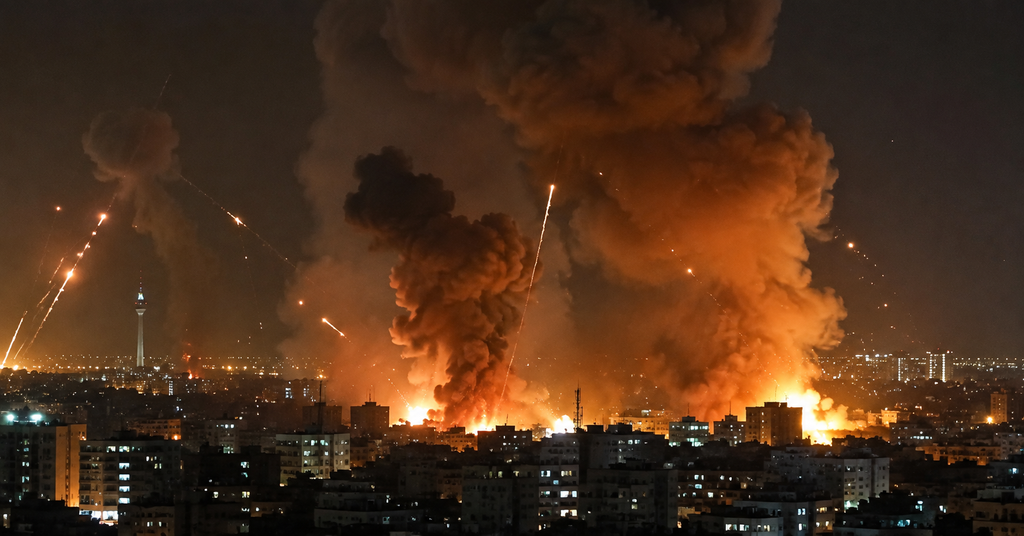
The latest attacks on commercial shipping happened on the evening of August 31.
Two supertankers were hit within minutes of each other.
The ships were the Bahri-operated Sidr and the South Korean-operated Senegal Prosperity. Both were struck inside the southern shipping corridor guarded by US forces.
Maritime security firm Marisks said the incidents showed how quickly the security situation could worsen.
The UK Maritime Trade Operations agency reported another incident that evening.
A tanker was hit by three unknown projectiles east of Khasab, Oman, while leaving the waterway.
No group has claimed responsibility for any of the attacks.
The incidents were the first reported attacks on commercial ships in the corridor since US Central Command said the area had been cleared of mines.
Is the Waterway Closed? What Shipping Data Shows
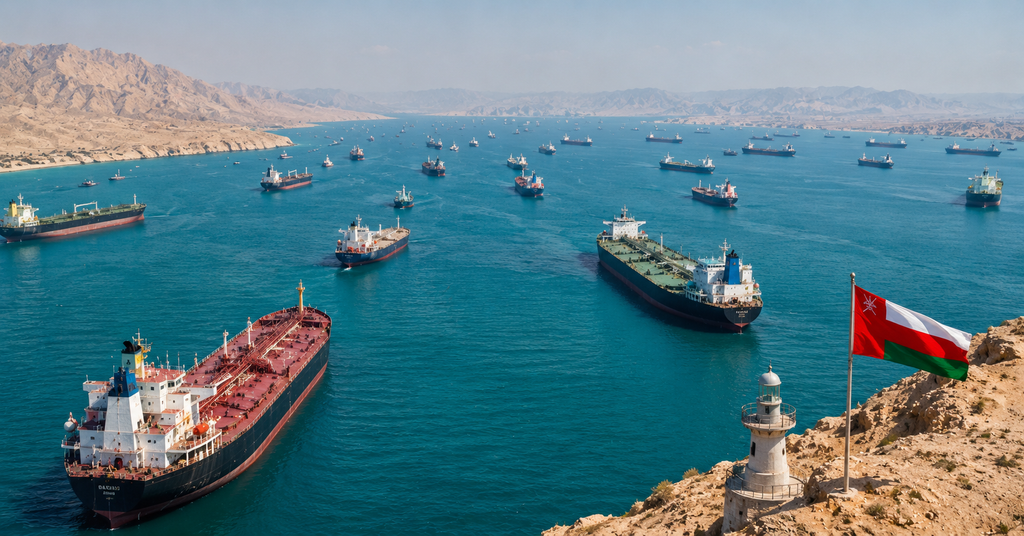
Shipping traffic has dropped sharply since the crisis began.
Only three ships passed through the route on August 23. Before the conflict, around 85 vessels crossed the waterway each day, according to PortWatch tracking data.
More than 400 vessels were also holding position away from ports this week. Many operators are waiting for safer conditions before sending their ships through.
The disruption is already affecting oil prices.
Brent crude reached $95.20 a barrel this week. The price rose nearly 5% in just 24 hours.
Still, shipping has not come to a complete stop.
The US energy secretary said around 17 million barrels of oil passed through the route on Monday. The figure shows that some tankers are still moving despite the risks.
Why the Route Matters to Global Energy Markets
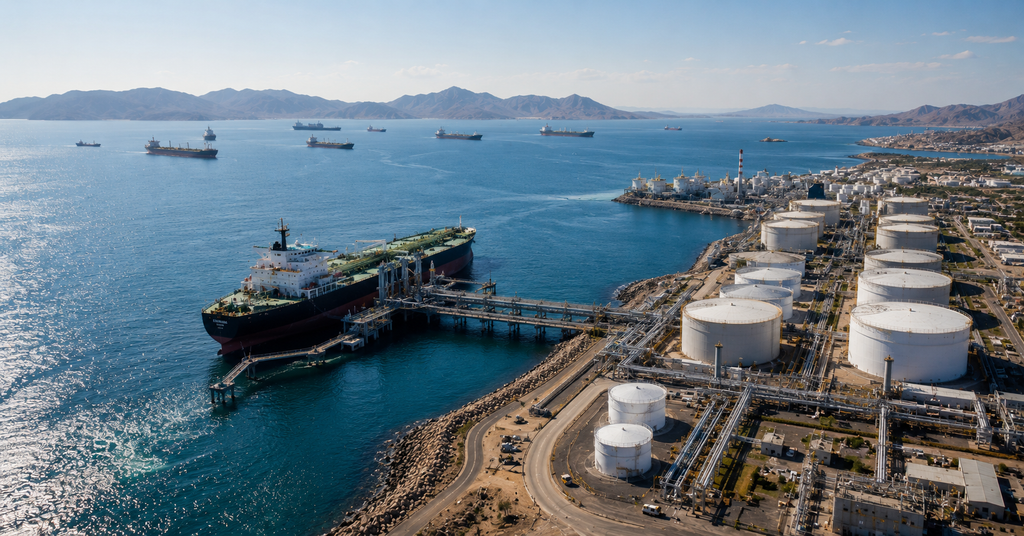
The importance of the passage comes down to the amount of oil and gas that normally moves through it.
Before the current crisis, around 25% of the world’s seaborne oil trade passed through the area.
Nearly 20% of global liquefied natural gas shipments also used the route each day.
India, Japan, South Korea and China have historically been among the biggest buyers of oil moving through the region.
That makes any major disruption a global concern.
Higher shipping risks can push up crude prices. They can also increase transport costs and put pressure on fuel prices.
Bessent Says Oil Routes Could Bypass the Strait
Bessent discussed the issue during a fireside chat with Fox Business host Larry Kudlow.
He argued that Iran is trying to use the waterway as a choke point against other countries.
Bessent believes that dependence can be reduced.
“That will be bypassed in two years,” he said. “In two years, the Strait of Hormuz will be like a worthless piece of water.”
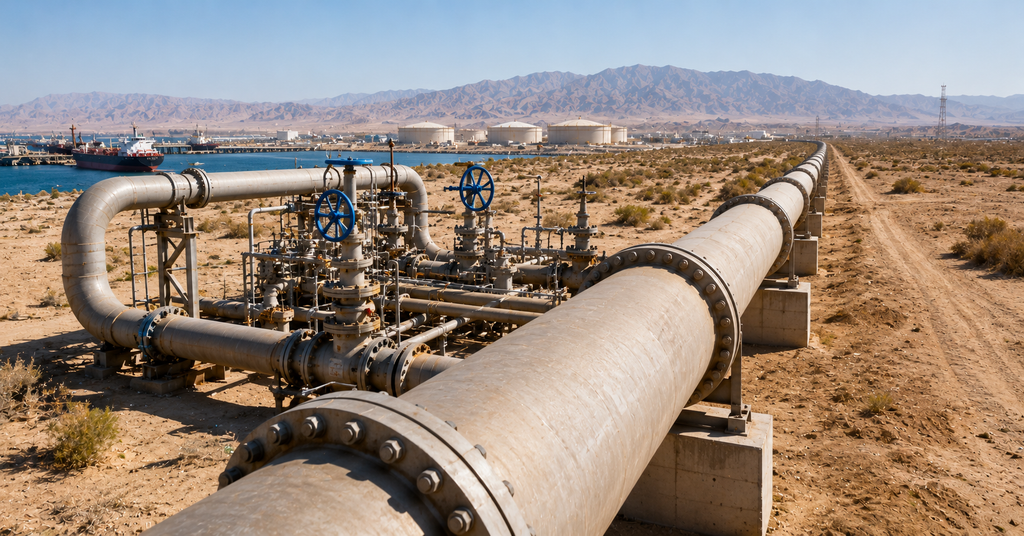
His argument is based largely on expanding pipeline networks.
Bessent said US oil production has increased by between 1.6 million and 2.2 million barrels per day since President Trump took office.
He also estimated that 50% to 70% of energy products that normally move through the area could shift to pipelines within two years.
Gulf Countries Expand Alternative Export Routes
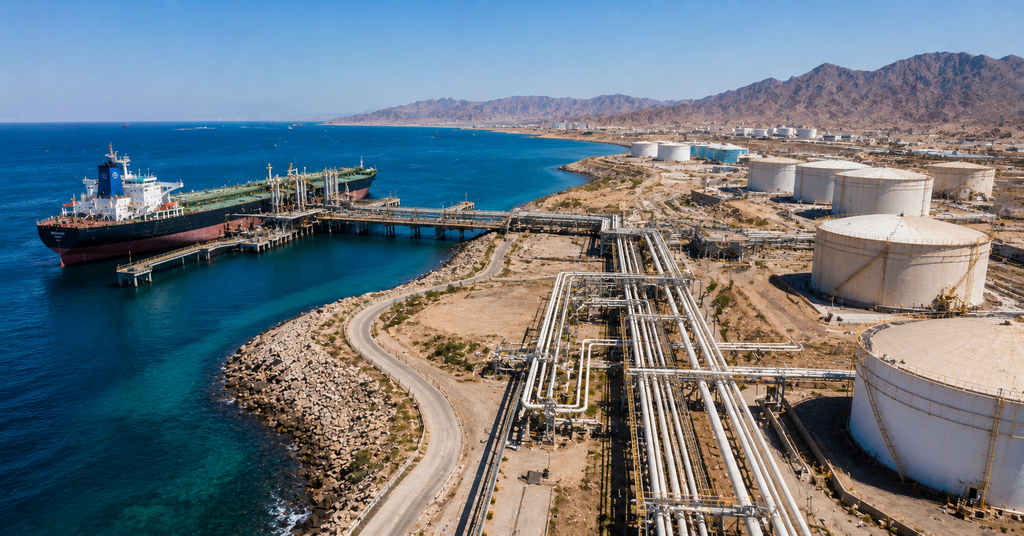
Gulf producers have already started looking for other ways to move their oil.
Saudi Arabia pushed close to 7 million barrels per day through its East-West pipeline to the Red Sea during the shutdown.
Saudi Arabia then exported the oil through the port of Yanbu.
Kuwait has also discussed connecting parts of its oil infrastructure with Saudi Arabia and the UAE. The plan would provide access to Fujairah and Red Sea ports.
Japan has agreed to help fund Gulf pipeline projects, according to reporting from OilPrice.com.
The UAE expects a $3 billion expansion of its Fujairah port pipeline to be completed next year, NPR reported.
A larger Saudi pipeline expansion could take several more years, according to the International Energy Agency.
Why the Waterway Still Matters for Oil Prices
Not everyone agrees with Bessent’s two-year prediction.
Energy analysts point to a major problem. Pipeline capacity is still much smaller than the amount of oil normally shipped through the area.
Existing pipelines in Saudi Arabia, the UAE and Iraq have a combined capacity of about 9 million barrels per day.
The waterway normally handles close to 20 million barrels of oil per day, according to Al Jazeera.
That leaves a significant gap.
Even if planned pipeline projects finish on schedule, the region would still depend heavily on sea routes for energy exports.
The International Energy Agency has also said some major pipeline expansions are still years away.
For now, Saudi Arabia, the UAE and Iraq are the only countries with operating pipelines that can bypass the route.
Their spare capacity has also been limited in the past.
How the Iran-US Shipping Crisis Began
Iran shut the waterway to foreign shipping after the war began in February.
The IRGC used VHF radio broadcasts to warn ships that they were not allowed to pass.
Tehran later said vessels from countries it considered friendly could continue using the route.
A ceasefire in April briefly reduced tensions.
A June memorandum of understanding also helped calm the situation.
That period did not last.
Fighting resumed in July after Iranian forces attacked ships they said had failed to follow Iranian rules.
The US later began guiding tankers through a southern channel along the coast of Oman.
American forces also maintained a blockade of Iranian ports for several weeks earlier this year.
Meanwhile, the US Treasury Department has sanctioned nearly 60 entities, individuals and vessels that it says help finance the Iranian government.
FAQ
What is happening now in the Strait of Hormuz?
US forces have struck Iranian military targets near the waterway.
Two oil tankers were then hit by unknown projectiles.
Commercial traffic remains far below normal levels. Brent crude has also risen above $95 a barrel.
Is Iran opening the waterway for India?
Iran has said the route remains open to countries it does not consider hostile.
Indian vessels have not been the direct target of its warnings.
Shipping companies are still cautious, however. Some vessels carrying Indian cargo have avoided the route or delayed their journeys because of security concerns.
Why is shipping being disrupted again?
Iran shut the passage to foreign shipping after the war began in February 2026.
Since then, it has tried to control which vessels can pass.
A ceasefire and a June memorandum temporarily eased tensions. Fighting resumed in July after Iran attacked ships it said had violated its rules.
Does Iran control the Strait of Hormuz?
No.
Iran does not legally control the entire waterway.
The shipping lanes run mostly through Omani waters, while a smaller section falls within Iranian waters.
International law protects maritime passage.
Iran has nevertheless tried to exercise practical control through warnings, ship boardings and mines.
Where does most of Iran’s oil pass through?
Around 90% of Iran’s oil exports move through this route.
Much of the country’s crude is loaded at the Kharg Island terminal before tankers head toward buyers in Asia.
Why is Iran attacking the UAE?
Iran launched retaliatory strikes on Jordan and the UAE in late August.
The attacks came after US forces struck Iranian targets near Larak Island.
Tehran has described the strikes as retaliation against countries it believes are connected to US and Israeli military operations in the region.