Donald Trump added another deal to his list this week. He signed a new security agreement with Denmark and Greenland. The signing happened on the sidelines of the UN General Assembly in New York.
The deal gives the US a much bigger military footprint on the Arctic island. It’s the result of a fight that started nearly a year ago. That fight rattled NATO allies along the way.
Trump signed the agreement Tuesday. He stood alongside Danish Prime Minister Mette Frederiksen and Greenland Prime Minister Jens-Frederik Nielsen. For Trump, it capped off months of pressure and back-channel talks. At one point, those talks had European leaders worried about where things were headed.
Read more: U.S. Household Income Hits Record High at $87,460 in 2025
What The Deal Actually Says
The agreement expands an older 1951 pact. That pact covered US and Danish defense cooperation over Greenland. This new deal goes much further.
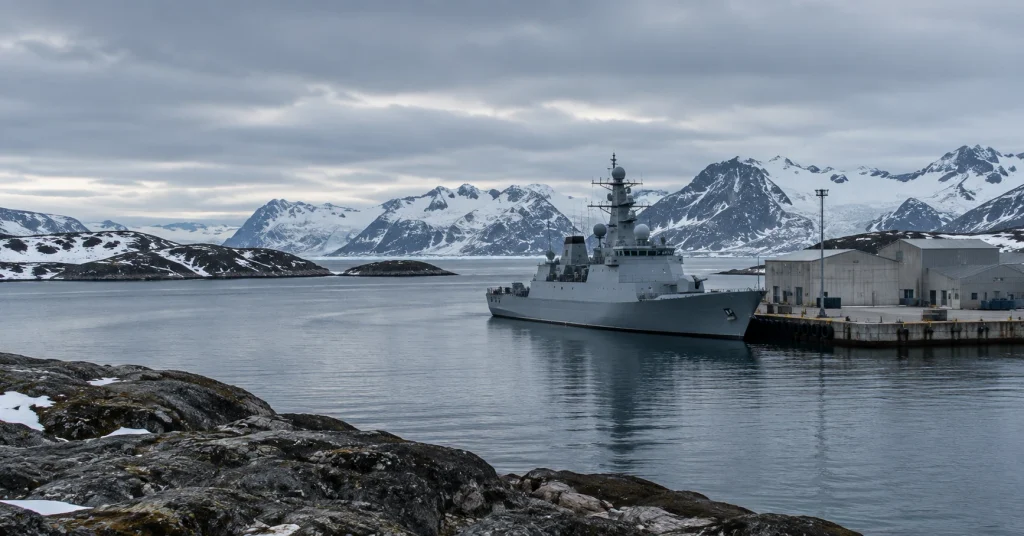
The US now gets “permanent” security guarantees on the island. Officials say Washington can also grow its military presence well beyond the current setup. That could include a new naval base. It could also mean extending the Golden Dome missile shield into Greenland’s airspace.
The deal blocks rivals like Russia and China too. They won’t be allowed to make sensitive investments in Greenland’s infrastructure. Officials call this a major gap in the old agreement.
Denmark keeps its sovereignty over Greenland under the new terms. The US gets more access and more control over security. But Greenland does not become American territory. That distinction matters to both Copenhagen and Nuuk.
“This is long in the making,” Trump said after the signing. “Many decades, probably centuries. You go back in the line of presidents, and almost every president at least mentioned it, but most just mentioned it.”
Read more: Trump Promises $5,000 Dividend Check to Every Adult Citizen
Denmark Frames It As A Win Too
Frederiksen did not sound like someone forced into a bad deal. She described the agreement as built on decades of trust.
“In the kingdom of Denmark, the United States has a friend that has always kept our word,” she said. She added that the new pact is bigger and better than the one signed 75 years ago.
Nielsen represented Greenland at the signing. He kept his comments short. He pointed to NATO as the real anchor of the deal. He framed it as something that strengthens the alliance, not weakens it.
Getting here wasn’t easy, though. Diplomats from all three countries spent months working out the details. They needed a deal that calmed fears in Nuuk about a hostile US takeover. At the same time, it had to give Washington what it wanted. More than once, people close to the talks feared the whole thing could collapse.
Read more: Trump Says Crypto Is Now a “Big Deal,” Claims US Leads World In Crypto And AI
A Long, Rocky Road To This Point
It helps to remember how this started. Trump spent much of his second term pushing for US control over Greenland. At times, he refused to rule out military force to get it. That rhetoric alarmed Greenlanders. It also strained the US relationship with NATO allies, especially Denmark.
Earlier this year, the European Union publicly rebuked Trump over his annexation talk. Greenland’s leaders repeated again and again that the island was not for sale. Trump’s Davos speech in January didn’t help. He spoke for over an hour, arguing Greenland was rightfully American territory. He said the US was the only country strong enough to protect it.
That same week, markets reacted badly. The S&P 500 had its worst day in three months. Trump had just ramped up his pressure campaign on Europe. Markets only recovered once he announced a “framework” deal after talks with NATO chief Mark Rutte.
From there, that framework slowly became a real agreement. This week’s signing was the final step. American officials say the deal meets all of Washington’s demands. They also say it comes “at no cost” to the US. Trump seemed pleased with how it all came together.
Strategic Stakes In The Arctic
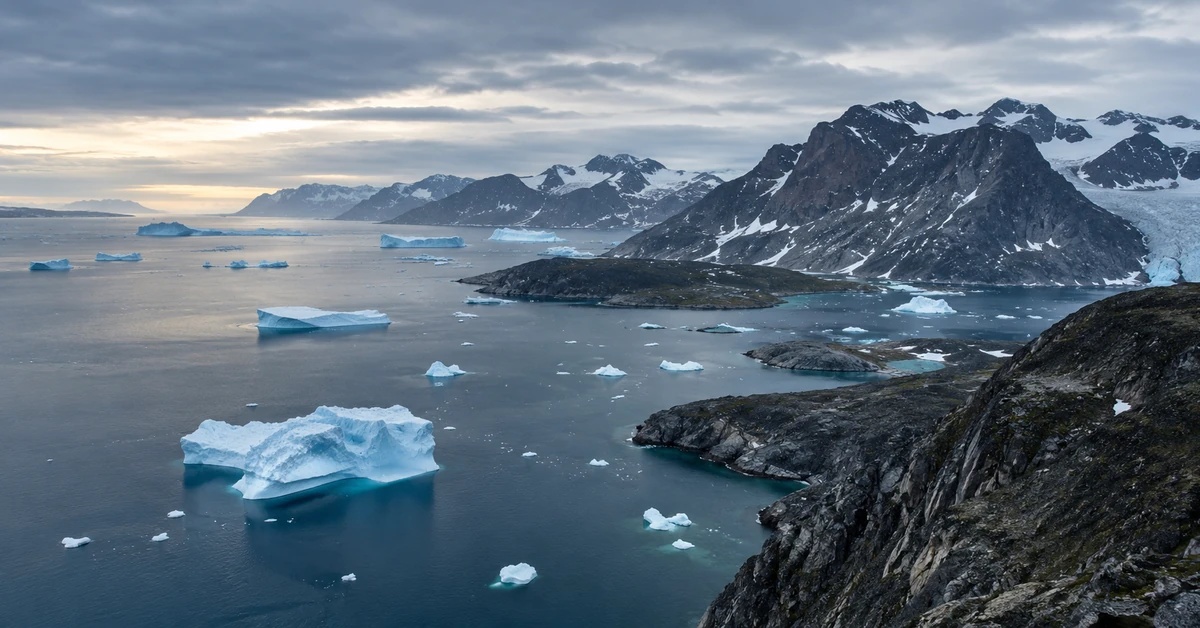
Greenland matters for more than just politics. The island sits in a key part of the North Atlantic. Melting sea ice has made the region easier to access than before. That has opened new shipping routes. It has also raised concerns about Russian and Chinese activity nearby.
Greenland is also rich in critical minerals. These minerals go into wind turbines and computer chips. That gives the deal an economic angle too. Analysts say both Russia and China have shown growing interest in Greenland. That interest hasn’t slowed down in recent years.
For NATO, this deal removes a major irritant. Denmark and the US are both NATO members. The Greenland standoff had become an awkward problem inside the alliance. That’s a bad look when unity against Russia is supposed to be the priority.
Political Stakes Back Home
The timing isn’t lost on anyone back in the US. Midterm elections are approaching. Trump has leaned hard on foreign policy wins this year. Greenland fits that pattern well. So do the Gaza ceasefire efforts and the Venezuela operation.
Critics say this follows a familiar pattern. Trump starts with a huge demand. He then settles for something smaller. But he still presents it as a big win. Supporters see it differently. They call the result a practical success. The US gained more access without forcing an annexation.
Either way, the scars from this year haven’t faded. Greenlanders still feel uneasy about a bigger US military presence. That unease remains even with promises that sovereignty stays intact. For now, though, the deal clears up a major issue. It had complicated ties between Washington and one of its oldest allies. And it gives Trump one more foreign policy win to point to before voters head to the polls.
FAQ
What does the new Greenland deal actually change?
It expands a 1951 defense pact between the US and Denmark. The US now gets permanent security guarantees and a bigger military presence on the island, while Denmark keeps sovereignty over Greenland.
Does this mean Greenland is now part of the United States?
No. Greenland stays under Danish sovereignty. The deal only expands US military access and security control, not ownership of the territory.
Why did Trump want control over Greenland in the first place?
He cited national security reasons, pointing to Greenland’s strategic Arctic location and its rich deposits of critical minerals used in tech and defense manufacturing.
How did Denmark and Greenland react to the deal?
Officials from both sides framed it as a win. Frederiksen called it an extension of decades of trust, while Nielsen tied it to strengthening NATO’s position in the Arctic.
What role did NATO play in this agreement?
NATO was central to the final deal. Officials say it removes friction between two NATO members, the US and Denmark, at a time when the alliance wants to show unity against Russia.
How does this deal connect to the US midterm elections?
Trump has used several foreign policy wins, including this one, to build momentum ahead of the midterms. Critics say it fits his pattern of making big demands, then settling for smaller results framed as victories.