Canada is fighting back against new U.S. tariffs with its own counter-tariffs. Finance Minister François-Philippe Champagne announced Tuesday that Canada will match the U.S. tariffs dollar for dollar, rate for rate.
The move comes days after trade talks between Canada and the U.S. broke down. The U.S. had placed a 50% tariff on $27.6 billion worth of Canadian goods starting August 22. Canadian officials said the U.S. asked too much and offered too little during negotiations.
Canada’s new tariffs will hit about $27.6 billion worth of U.S. goods. They start September 8. The list includes seafood, paper products, furniture, apparel, tools, dairy, cosmetics, steel, and aluminum.
Why Trade Talks Fell Apart

The Canadian government said it had been negotiating in good faith with the U.S. for months. Officials wanted a deal that protected Canadian workers, strengthened the economy, and gave businesses more certainty.
In recent days, the U.S. proposed new terms that Canada felt were unfair. Canadian officials said the demands were too high and the offer in return was too low. Rather than accept a bad deal, Canada suspended the talks.
Champagne said the decision was about standing up for Canadians. He said the counter-tariffs and support package would protect workers, farmers, families, and businesses while helping Canada build a more resilient economy.
Read More: Carney Halts U.S. Trade Talks, Vows Tariff Revenge
How the Tariffs Work
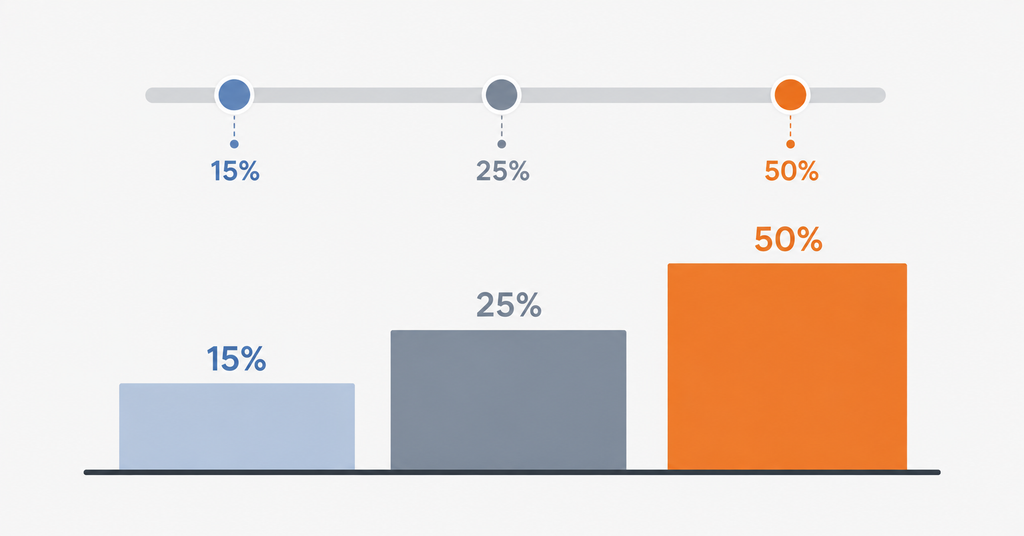
Canada’s counter-tariffs will use a sliding scale of 15%, 25%, and 50%. Officials said the tariff rate on each product will match the U.S. rate on that same product.
Steel and aluminum tariffs will double from 25% to 50%, matching the U.S. rate on those goods. Canadian officials said the goal is to protect Canadian industries, not raise government revenue. In fact, officials said they do not expect the new tariffs to bring in more money than the government is spending on support programs.
Officials also said they picked U.S. products that have easy Canadian alternatives. This is meant to hurt American businesses while keeping the cost low for Canadian shoppers. Products on the list include dairy items, cosmetics, furniture, clothing, steel, and aluminum.
Bradley Saunders, a North America economist at Capital Economics, said most of the targeted goods were chosen because Canada already has domestic options. That approach aims to limit the pain for Canadian consumers while still pressuring American producers.
$7.5 Billion in New Support

Canada is also rolling out a $7.5 billion support package for workers and businesses hit by the tariffs. This adds to nearly $25 billion in support the government has provided over the past 18 months.
Of the $7.5 billion, $3.5 billion will go toward workers. This includes extending some Employment Insurance benefits and a new Workforce Retention and Retraining Program. That program lets workers share a full-time job while the government covers part of their pay, instead of facing layoffs.
Businesses will also get help. Regional development agencies will receive an extra $1.5 billion for liquidity support. The Business Development Bank of Canada is adding a new $500 million loan stream for companies facing cash-flow problems.
Companies can also access loans between $250,000 and $5 million, with interest-only payments over 36 months. Eligibility for direct tariff-related support programs is also being expanded, lowering the annual revenue requirement for applicants to $1 million.
The government is also creating the Canada Strong Diversification Fund, adding $2 billion to help tariff-hit companies with ongoing projects, including capital maintenance work.
Read More: US National Debt Tops $40 Trillion For The First Time
The Auto Sector Faces the Biggest Risk
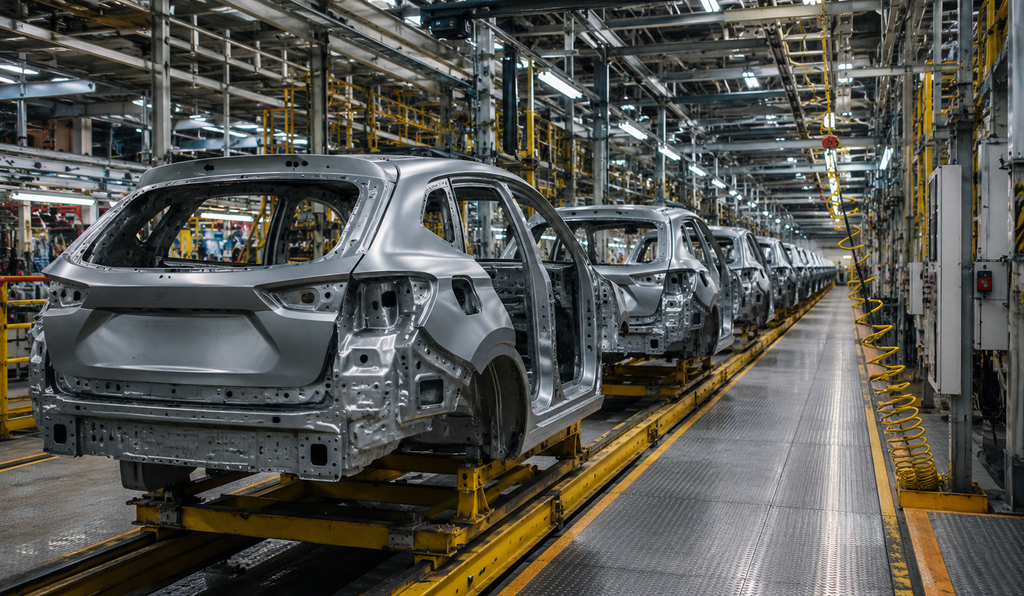
Canada’s auto industry is one of the sectors most exposed to this trade fight. All of Canada’s major car plants are located in Ontario. Trump has also threatened separate 50% tariffs on all auto imports from Canada, on top of the goods already hit.
The auto industries in both countries are deeply connected. Cars built at Canadian plants rely heavily on parts from U.S. suppliers, and those suppliers employ more than half a million Americans. Canadians also bought about 663,000 vehicles built at U.S. plants last year.
Unifor, the union representing Canadian auto workers, called the threatened auto tariffs an “intimidation tactic.” The union said ongoing instability hurts workers on both sides of the border and makes it harder to build cars in North America.
Experts have also warned that steep new auto tariffs could hurt U.S. automakers and workers, not just Canadian ones, because of how tightly the two countries’ supply chains are linked.
What Leaders Are Saying
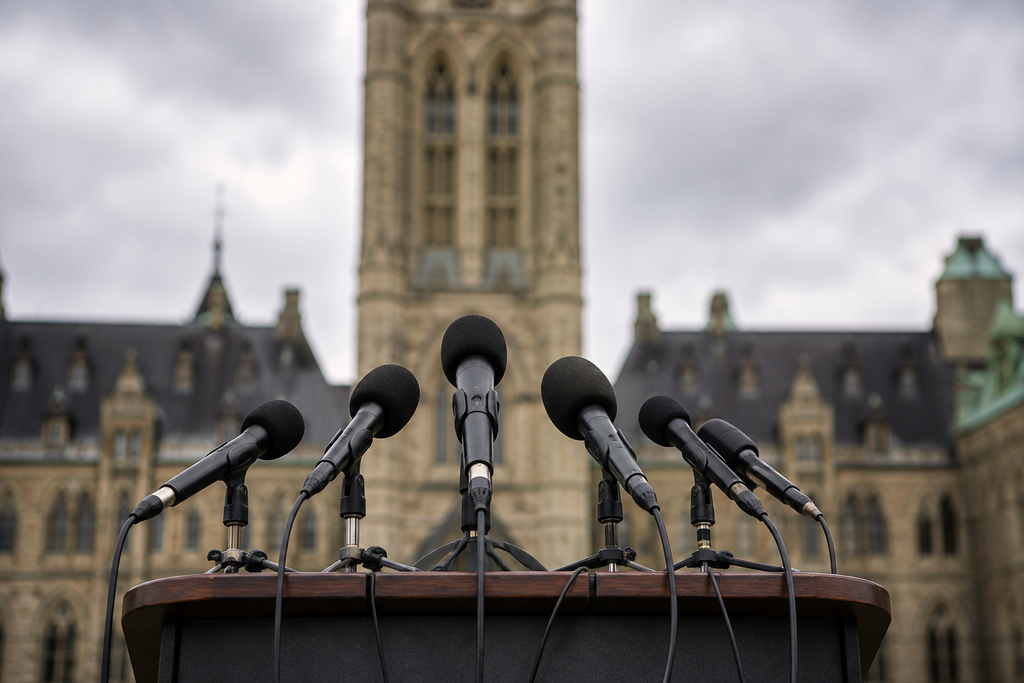
Champagne said Canada’s response is about protecting Canadian jobs and industry. He said this is an unprecedented challenge for Canada, but one the country is ready to meet.
Prime Minister Mark Carney acknowledged the counter-tariffs will raise costs and reduce choices for Canadians, but said the move was necessary to defend the country’s interests.
Saskatchewan Premier Scott Moe said the new tariffs cover about $1.5 billion of his province’s yearly imports from the U.S., or roughly 11.3% of that total. He said Saskatchewan is reviewing the impact on local businesses and hopes both countries can return to the negotiating table.
Read More: Trump Says Crypto Is Now a “Big Deal,” Claims US Leads World In Crypto And AI
What This Means Going Forward
The new tariffs and support measures mark one of the most significant escalations in the ongoing trade dispute between the two countries. With tariffs from both sides now in place on billions of dollars of goods, consumers on each side of the border are likely to see higher prices on affected products.
Officials on both sides have left the door open for future talks, but no new negotiation date has been announced. Until then, Canada’s countermeasures and support package are set to take effect on September 8.
FAQ
When do Canada’s new tariffs start?
The counter-tariffs take effect September 8, 2026.
How much are Canada’s new tariffs worth?
They target about $27.6 billion worth of U.S. goods.
What is the $7.5 billion package for?
It supports Canadian workers and businesses affected by U.S. tariffs, through Employment Insurance changes, loans, and liquidity support.
Which U.S. products are affected?
Seafood, paper products, furniture, apparel, tools, dairy, cosmetics, steel, and aluminum are on the list.
Why did trade talks between Canada and the U.S. fail?
Canadian officials said the U.S. demanded too much and offered too little during negotiations, leading Canada to suspend talks.
How does this affect the auto industry?
Canada’s auto sector is at high risk since all major car plants are in Ontario and rely heavily on U.S.-made parts. Trump has also threatened separate 50% tariffs on all Canadian auto imports.