Millions of registered voters just lost a legal shield that protected them three months ago. On Friday, the Supreme Court reversed it and now the fight over your vote has moved to a different battlefield.
The court ruled 6-3 to let the Trump administration use a controversial database, called SAVE, to check voter citizenship across the country. A federal judge had blocked the system in June, calling it a threat to the privacy of American citizens. That block is gone now, at least for the moment.
So what changes on the ground? States can start running checks again. But how far they can actually go is still limited and that limit is where this story gets interesting.
The Judge Called It A Trampling Of Privacy Rights
U.S. District Judge Sparkle Sooknanan didn’t hold back in June. She wrote that the Trump administration had “knowingly trampled on the privacy rights of American citizens in a manner that threatens the sacred right to vote,” according to CBS News.
That’s not standard legal language. Judges usually hedge. She didn’t.
Her concern came from how DHS rebuilt the SAVE database last year. The redesign let officials search many voter records at once. It also pulled in Social Security data to verify citizenship. And it had a flaw: it sometimes flagged real, eligible citizens as noncitizens.
That flaw is exactly why this case reached the Supreme Court in the first place and it’s the part that still hasn’t been resolved.
Read more: Trump Promises $5,000 Dividend Check to Every Adult Citizen
What The Supreme Court Actually Decided
Here’s the part most headlines are skipping. The justices didn’t rule that SAVE is safe. They didn’t rule that Judge Sooknanan was wrong about the privacy risks either. They ruled on something narrower.
The majority said her order blocked something federal law still allows even close to an election: individual, case-by-case voter checks. Mass removals are a different story, and they’re still off the table for now.
That distinction matters more than it sounds like. It’s the difference between reviewing one flagged voter and wiping thousands off the rolls overnight. The court said the lower court’s order went further than the law required. It did not say the underlying privacy concerns were wrong.
Emergency Supreme Court rulings often work this way. The justices rule narrowly on procedure first. They leave the bigger constitutional questions for later. That’s exactly what happened with the SAVE voter database case.
Why Your Vote Isn’t At Immediate Risk Yet
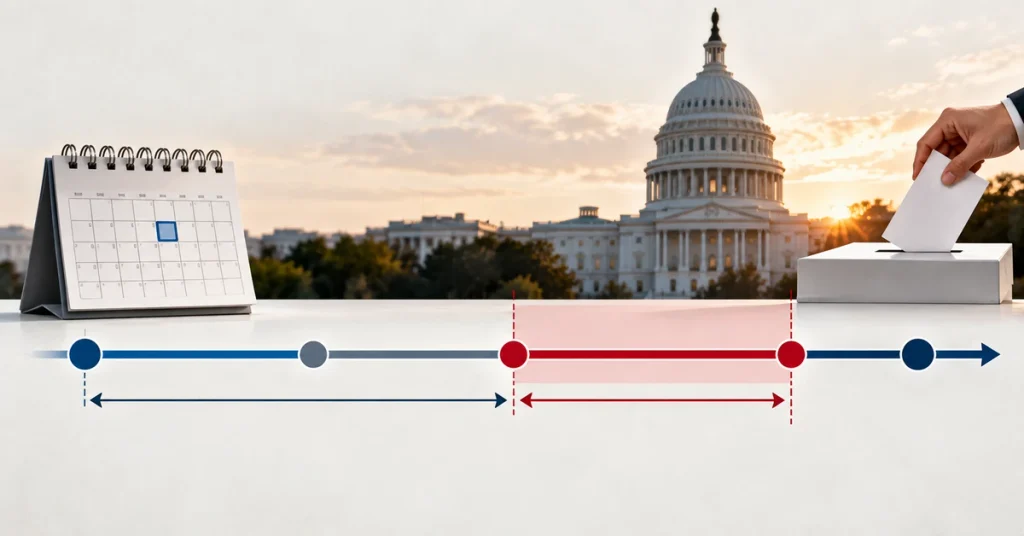
A federal law bars states from systematically purging voter rolls within 90 days of a federal election. That window is already running for the November 3 midterms.
This ruling doesn’t touch that law. States can act on individual, flagged cases. They cannot run bulk removals this close to election day.
David Becker, an election law expert at the Center for Election Innovation and Research, told the Associated Press that the real-world impact before November will likely stay limited. He pointed to the 90-day rule. States still have to go name by name.
That’s the calm version of this story. The version that plays out after November could look very different, once that 90-day protection expires.
Read more: Trump Signs Greenland Security Deal With Denmark At UN Summit
The Politics Behind The SAVE Database
This case didn’t come out of nowhere. Republican-led states started comparing their voter lists against the original SAVE database soon after DHS expanded it. Some canceled registrations for voters flagged as noncitizens.
Democratic-led states and civil rights groups pushed back hard. They argued the flagging process was unreliable. They warned it risked disenfranchising citizens who had done nothing wrong.
The Trump administration has made noncitizen voting a central talking point ahead of the midterms. Studies have repeatedly found it to be extremely rare. Critics say the database expansion is less about catching fraud. They argue it gives states a tool to trim voter rolls in ways that hit certain communities harder.
Supporters see it differently. They say states deserve better tools to keep their rolls accurate. A working verification system protects election integrity, they argue, rather than undermining it.
Both sides agree on one thing. How officials use this database over the next six weeks will shape how much trust either side has in the process.
The Legal Fight Isn’t Over
Three justices publicly dissented from Friday’s order, NPR reported. That’s not a footnote. It’s a signal this case is headed for more rounds in court, not fewer.
The Justice Department had called the lower court’s block “indefensible” in its filing. Now it has the outcome it wanted, at least temporarily. Civil rights groups that sued over the database aren’t done either. Judge Sooknanan’s privacy findings from June still haven’t reached a final ruling from any higher court.
Friday’s decision works best as a pause button, not a final verdict. The core legal question whether the redesigned SAVE database violates federal privacy law still sits with a judge somewhere, waiting for its turn.
What Happens Next
Election officials in several states plan to start using SAVE again within days. Whether that actually changes who’s on the voter rolls by November depends on how aggressively states use the individual-review option this ruling allows.
Watch two things over the coming weeks. First, track how many states restart their use of the database, and how fast. Some may move immediately. Others may wait to see how the legal fight develops. Second, watch whether any state pushes past “individual” review and closer to a bulk purge. That’s the exact line this ruling drew, and someone will likely test it.
The bigger question whether SAVE itself is legal still hasn’t been answered. That case keeps moving through the courts. The next ruling could undo everything that just happened on Friday.
Read more: Trump Defends Iran, Venezuela Strikes At UN Speech, Wants AI Renamed
FAQ
What is the SAVE database?
SAVE stands for Systematic Alien Verification for Entitlements. It’s a Department of Homeland Security tool that lets states check a person’s citizenship and immigration status, including for voter roll reviews.
What did the Supreme Court decide on Friday?
The court ruled 6-3 to let the Trump administration resume using the updated SAVE system, pausing a June order that had blocked it over privacy concerns.
Can states remove voters from the rolls right now?
Only through individual, case-by-case reviews. Federal law still blocks states from systematically purging voter rolls within 90 days of the November midterms.
Why was SAVE blocked in the first place?
A federal judge ruled in June that the redesigned system violated federal privacy protections and had wrongly flagged eligible citizens as noncitizens.
Is this the final word on SAVE’s legality?
No. Friday’s ruling only pauses the block. The underlying legal case, including the privacy claims, is still working through the courts.
Does this ruling let states purge voters before the midterms?
No. A separate federal law already bars systematic voter roll purges within 90 days of an election, and that protection stays in place regardless of Friday’s ruling.