US President Donald Trump has once again turned his attention toward Canada, this time focusing on the value of the Canadian dollar.
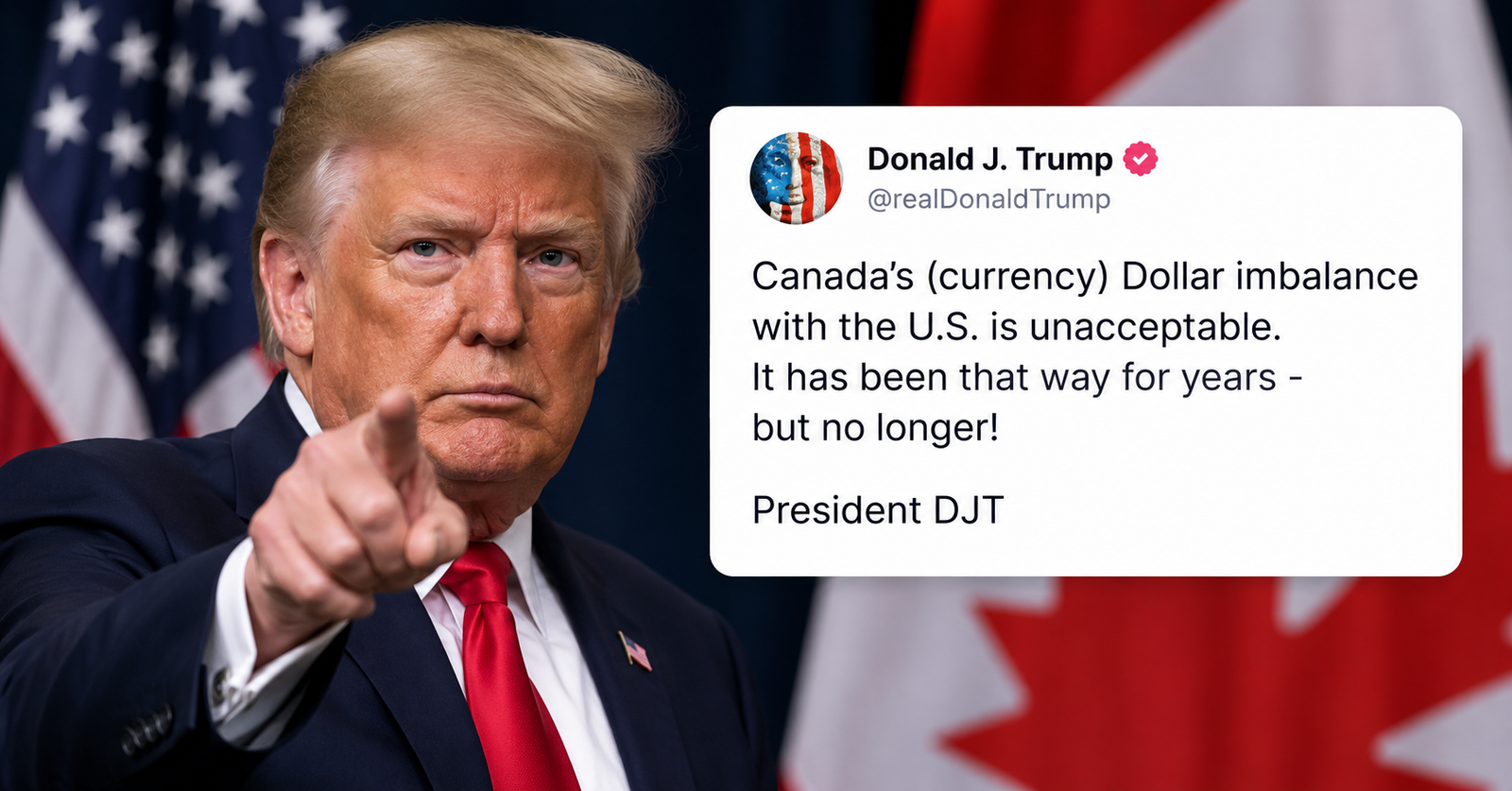
In a post on Truth Social on Sunday, Trump said Canada’s “currency Dollar imbalance” with the United States was “unacceptable” and suggested the situation would not continue.
“Canada’s (currency) Dollar imbalance with the US is unacceptable. It has been that way for years – but no longer!” Trump wrote.
Trump did not explain exactly what he meant by the “imbalance” or announce any new policy targeting the Canadian currency.
Still, the remark comes at a particularly tense moment between Washington and Ottawa, with trade negotiations already broken down and new tariffs putting pressure on businesses on both sides of the border.
Read more:Trump Threatens to Rename Lake Ontario “Lake America”
What Trump Means by Canada’s Dollar ‘Imbalance’
The Canadian dollar has generally traded below the US dollar for many years.
As of Sunday, the US dollar was trading at around 1.38 Canadian dollars. In simple terms, that means one Canadian dollar was worth roughly 72 US cents. The Canadian currency has mostly remained below the value of the US dollar over the past decade.
That difference matters because exchange rates can influence the price of goods moving between the two countries.
A weaker Canadian dollar can make Canadian products relatively cheaper for American buyers. At the same time, goods imported from the United States can become more expensive for Canadian consumers.
But the exchange rate itself is not necessarily evidence of an unfair trade practice. Currency values are influenced by many factors, including interest rates, inflation, commodity prices, economic growth and investor demand.
Trump’s latest comment therefore raises an important question: Is Washington considering action over the Canadian dollar, or was the president simply highlighting what he sees as another problem in the US-Canada economic relationship?
For now, there is no clear answer.
The Bigger Problem Is the Trade Fight
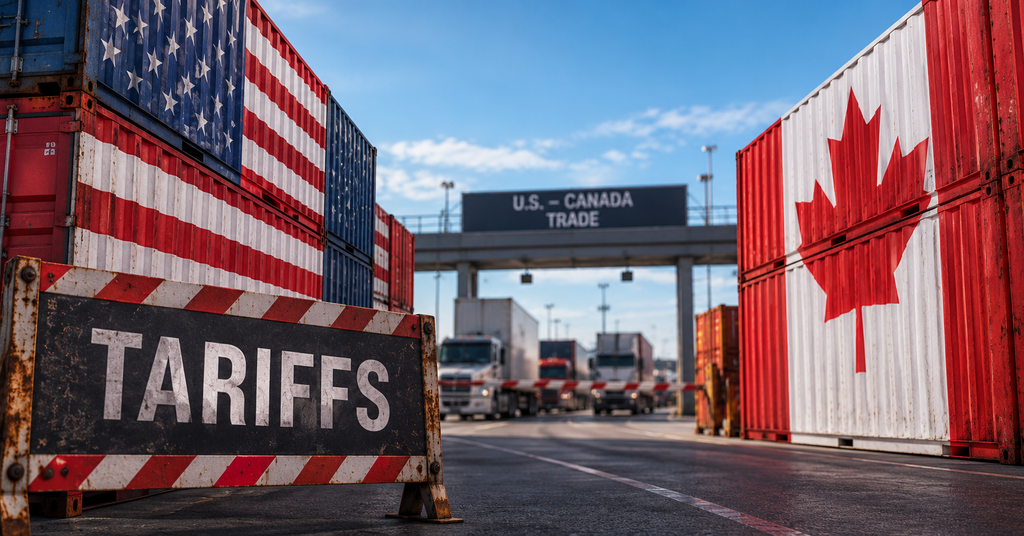
Trump’s comments cannot really be separated from the much larger trade dispute between the two countries.
US-Canada trade negotiations collapsed in August after disagreements over the terms of a potential deal. Canadian Prime Minister Mark Carney said Canada could not accept last-minute changes that he considered unfair and economically damaging.
The breakdown was followed by a sharp increase in tariffs.
The United States moved to impose 50% tariffs on key Canadian goods, while Canada announced that it would respond with tariffs of its own on American products. Canadian retaliation is scheduled to begin on September 8.
That means Trump’s latest comments about Canada’s currency are arriving just as the trade dispute is entering another important phase.
Read more:Canada Announces $7.5 Billion Support Package Amid New US. Tariffs
Canada Is Already Feeling the Pressure

Canada remains heavily dependent on the US market.
More than 66% of Canadian exports went to the United States in recent data, making the American market extremely important to Canadian businesses. Canada’s exports to the US also fell in July, while imports increased, narrowing Canada’s trade surplus with its southern neighbor.
The Canadian dollar has also been closely watched by investors as the tariff dispute has developed.
A weaker currency can sometimes help exporters by making their products cheaper overseas. But it can also make imported goods more expensive and increase costs for consumers and businesses.
That creates a complicated situation for Canadian policymakers. A currency move is not something that can simply be treated like a tariff.
Carney Wants Washington to ‘Be Serious’
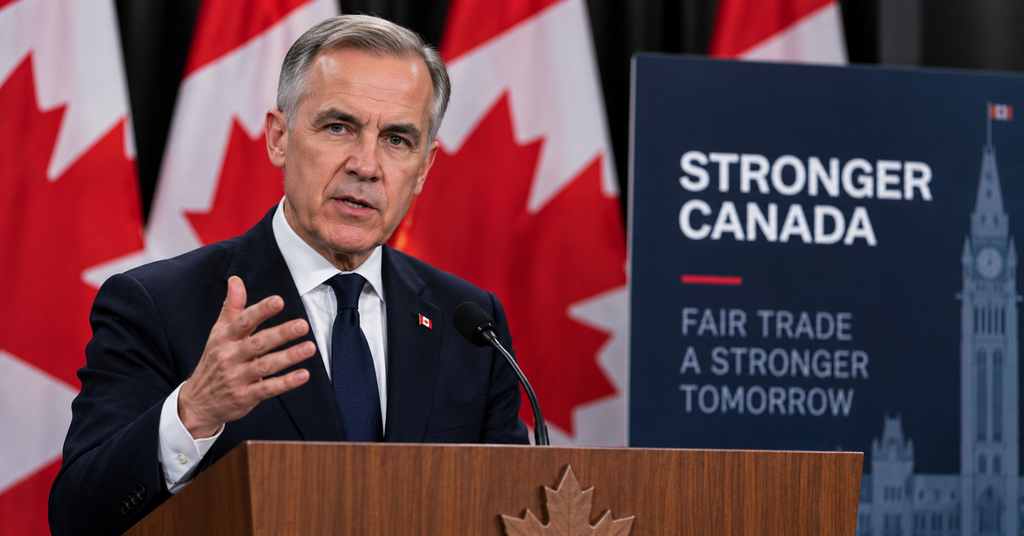
Canadian Prime Minister Mark Carney has repeatedly pushed back against Trump’s approach to trade.
Earlier this month, Carney said the US needed to “start being serious” before meaningful trade discussions could resume. He argued that Canada was looking for a stable and mutually beneficial relationship rather than an agreement that would undermine Canadian industries.
The two governments remain far apart on several issues, including tariffs and the treatment of important Canadian industries.
That makes Trump’s currency comment even more significant politically, even though the president has not announced any specific action against the Canadian dollar.
Read more:Trump’s 50% Tariffs on Canadian Goods Set to Take Effect Saturday
Could the Currency Become the Next Flashpoint?

It is too early to say.
Trump’s statement was brief, and he did not outline a plan to pressure Canada over its exchange rate. The White House has also not provided further details explaining what the president meant.
For now, the comment appears to be another sign that the US-Canada economic relationship is becoming increasingly difficult.
The two countries have one of the world’s largest bilateral trading relationships, with businesses on both sides deeply connected through supply chains, manufacturing, energy and agriculture.
That is why even a short statement from the US president about Canada’s currency can attract significant attention.
What Happens Next?
The immediate focus will remain on tariffs and whether the two countries can eventually return to the negotiating table.
Canada is preparing its planned retaliatory measures, while businesses are trying to understand how the latest tariff changes will affect costs and trade.
Whether Trump’s comments about the Canadian dollar develop into an actual policy issue remains unclear.
For now, one thing is certain: the US-Canada trade dispute is no longer just about tariffs.
With currency values, trade balances and broader economic concerns now entering the conversation, the relationship between the two longtime neighbors is facing another uncertain chapter.
FAQ
What did Donald Trump say about Canada’s currency?
Donald Trump said Canada’s “currency Dollar imbalance” with the United States was “unacceptable” and added that it had existed for years but “no longer.” He did not explain exactly what action he was considering.
What is the Canadian dollar worth against the US dollar?
The US dollar was trading at around 1.38 Canadian dollars, meaning one Canadian dollar was worth roughly 72 US cents. Exchange rates change throughout the trading day.
Why is the Canadian dollar weaker than the US dollar?
Currency values are influenced by several factors, including interest rates, inflation, economic conditions, commodity prices and investor demand. The Canadian dollar has traded below the US dollar for most of the past 15 years.
Does a weaker Canadian dollar help Canada?
It can help Canadian exporters because Canadian products become relatively cheaper for US buyers. However, it can also make imported products more expensive for Canadian consumers and businesses.
Is Trump planning to take action against the Canadian dollar?
There is currently no confirmed policy announcing specific action against Canada’s currency. Trump did not provide details in his statement, and the White House has not announced further measures related to the Canadian dollar.
Why are the US and Canada currently in a trade dispute?
The two countries have been involved in an escalating trade dispute, including new US tariffs on Canadian goods. Trade negotiations recently broke down, while Canada has prepared retaliatory measures.
Could the dispute affect the Canadian dollar?
Yes. Trade uncertainty can put pressure on a country’s currency by affecting investor confidence, economic growth expectations and trade flows. Reuters analysts expect some short-term weakness in the Canadian dollar but forecast a moderate recovery over the following year if US-Canada trade tensions ease.