A huge oil deal between the United States and Venezuela is making headlines.
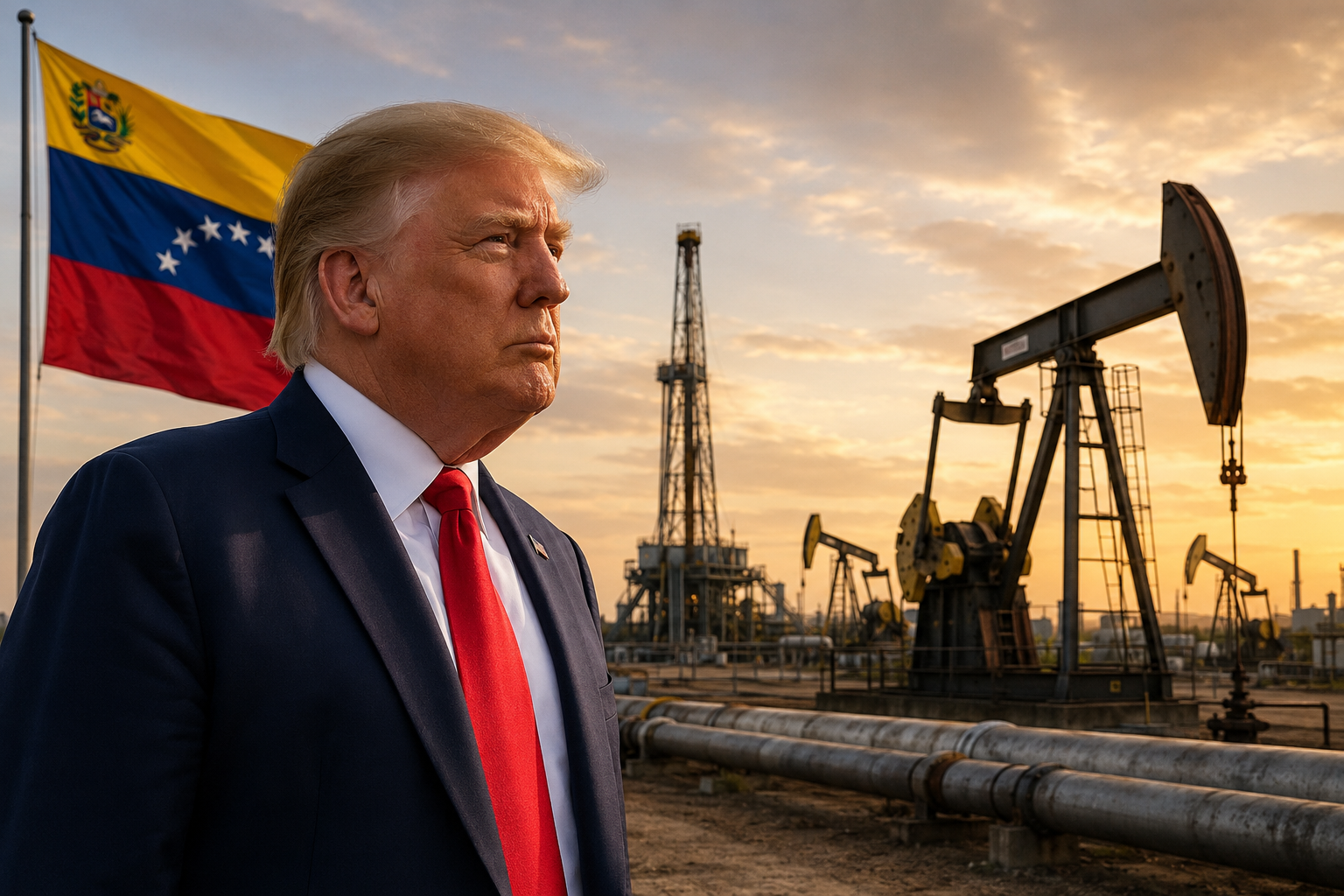
President Donald Trump announced an agreement involving more than 65 billion barrels of Venezuela’s proven oil reserves.
But there is much more to the story than that headline number.
The agreement could bring billions of dollars of investment into Venezuela’s struggling oil industry. It could also give U.S. companies a much bigger role in one of the world’s largest oil reserves.
However, the deal does not mean the United States suddenly owns 65 billion barrels of oil.
Here’s what we know so far.
Trump’s Venezuela oil deal could reshape U.S. energy and oil markets. Here’s what you need to know.
Read more : Trump Slams Biden Over Crypto Crackdown, Warns of China Threat
What Did Trump Actually Announce?
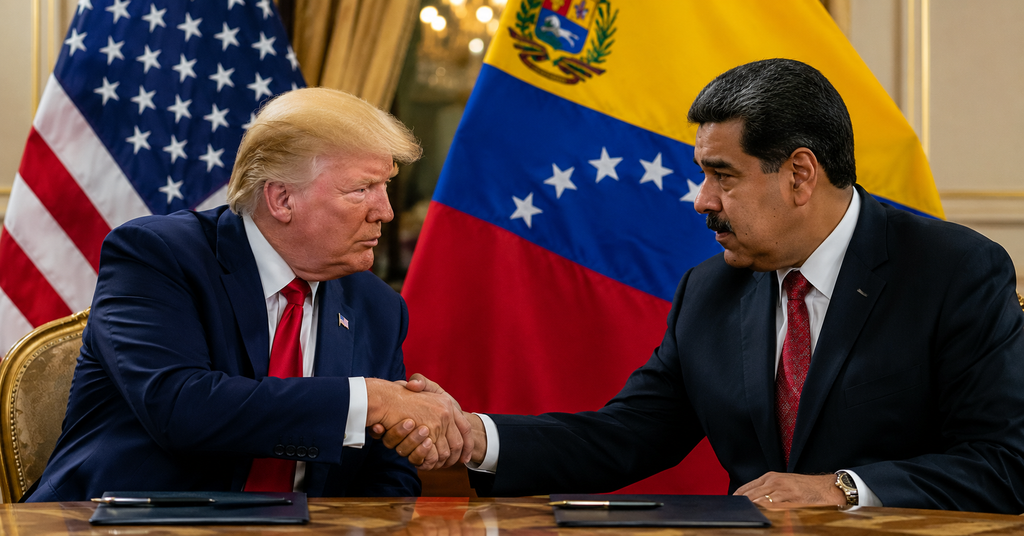
Trump said the United States had reached an agreement involving majority control over more than 65 billion barrels of Venezuela’s proven oil reserves.
The arrangement is expected to involve private companies rather than the U.S. government simply taking ownership of the oil.
That distinction is important.
Venezuela still says it maintains sovereignty over its natural resources.
The agreement is instead expected to bring foreign investment, technology and expertise into the country’s oil industry.
Why Venezuela’s Oil Matters
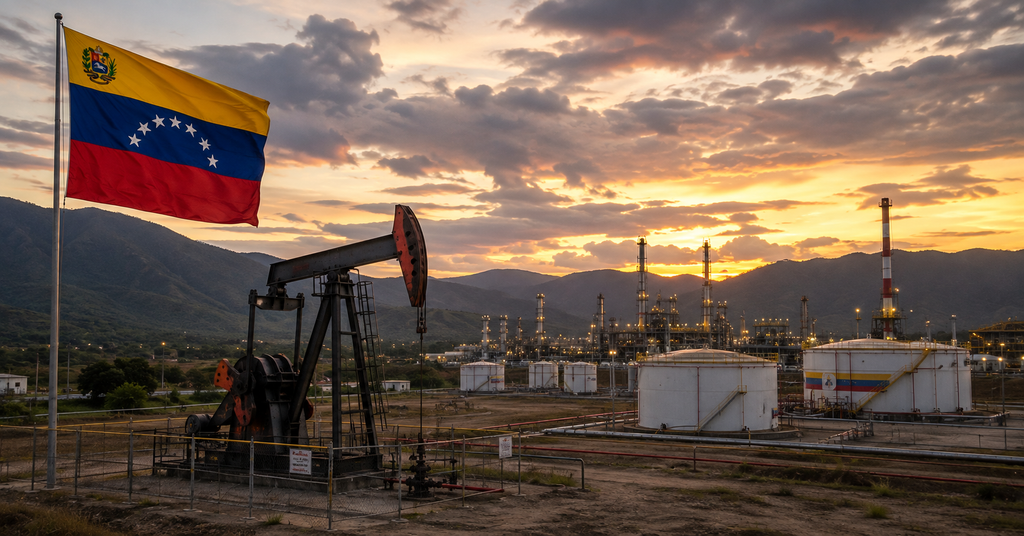
Venezuela has the largest proven crude oil reserves in the world.
But having huge reserves underground does not mean a country can easily produce huge amounts of oil.
Venezuela’s oil industry has struggled for years.
Underinvestment, aging infrastructure, economic problems and other challenges have reduced its ability to produce and export crude at the levels it once did.
That is one of the biggest reasons this new agreement is attracting attention.
Read more : Crude Oil Jumps After Trump’s ‘Crushing’ Economic Threat to Iran
What Does Venezuela Say About the Deal?
Venezuela’s interim president Delcy Rodríguez has provided additional details about the agreement.
She said the energy arrangement will last 25 years.
The plan is also expected to involve 17 strategic oil fields.
Venezuela says the initial production target is more than 1.5 million barrels per day.
The broader plan also includes additional oil blocks and large-scale investment in the country’s energy industry.
Those are ambitious targets.
But they should not be confused with oil that is already being produced.
The Big Question: When Will the Oil Actually Come?
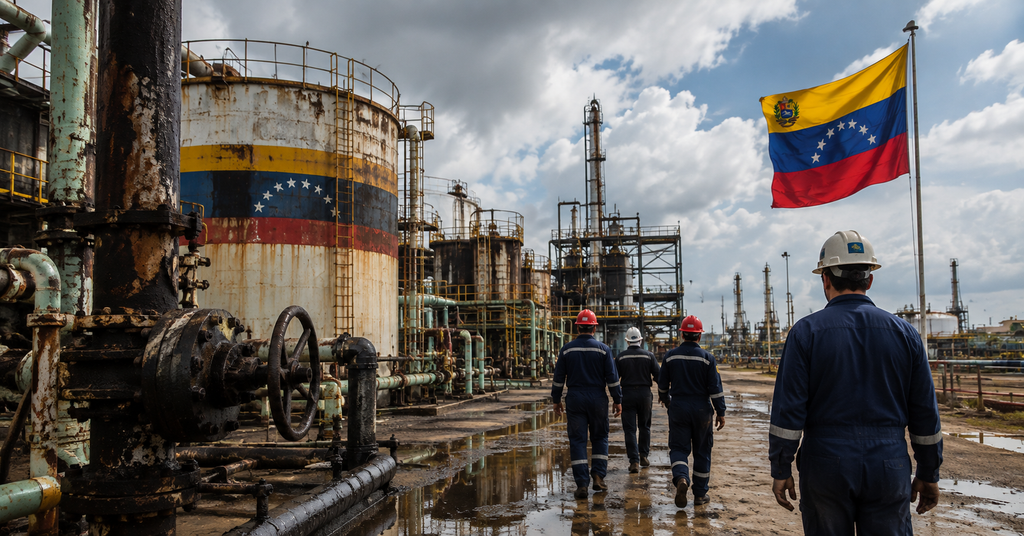
This is where things become more complicated.
Venezuela has enormous reserves, but turning those reserves into production requires serious investment.
Oil companies need functioning wells, pipelines, refineries, storage facilities, ports and transportation systems.
Much of Venezuela’s energy infrastructure needs investment and modernization.
That means the agreement could take years to produce its full effect.
The oil is underground.
Getting it into the global market is the difficult part.
Could This Lower Gas Prices in America?
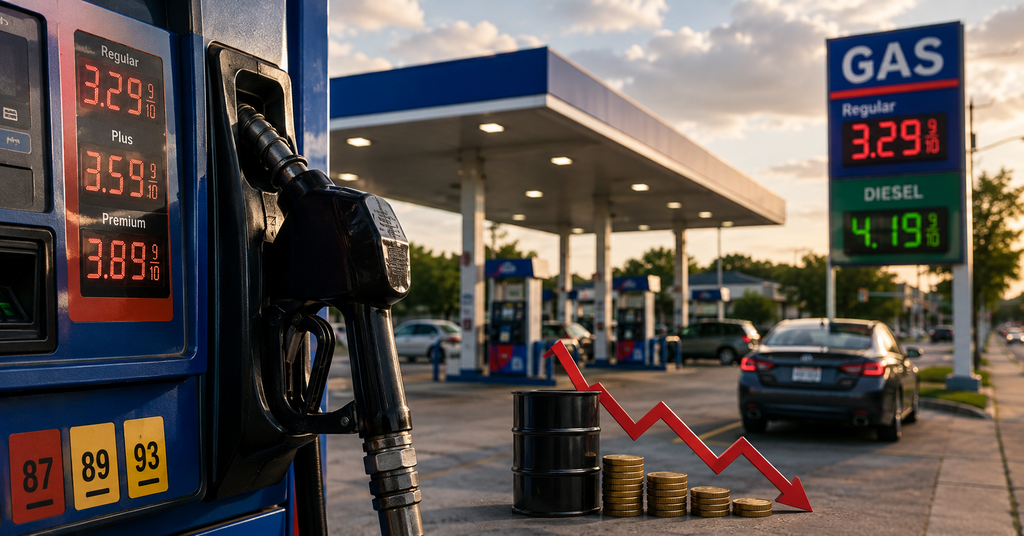
This is probably the question many Americans will be asking.
Trump has said the agreement could help lower gasoline prices.
But drivers should not expect an immediate drop at the pump.
More Venezuelan oil entering the global market could eventually increase supply.
Higher supply can put downward pressure on oil prices, depending on demand and other conditions in the global market.
But production has to increase first.
That will take time.
Read more : US National Debt Tops $40 Trillion For The First Time
Why the Deal Could Matter for U.S. Energy Security
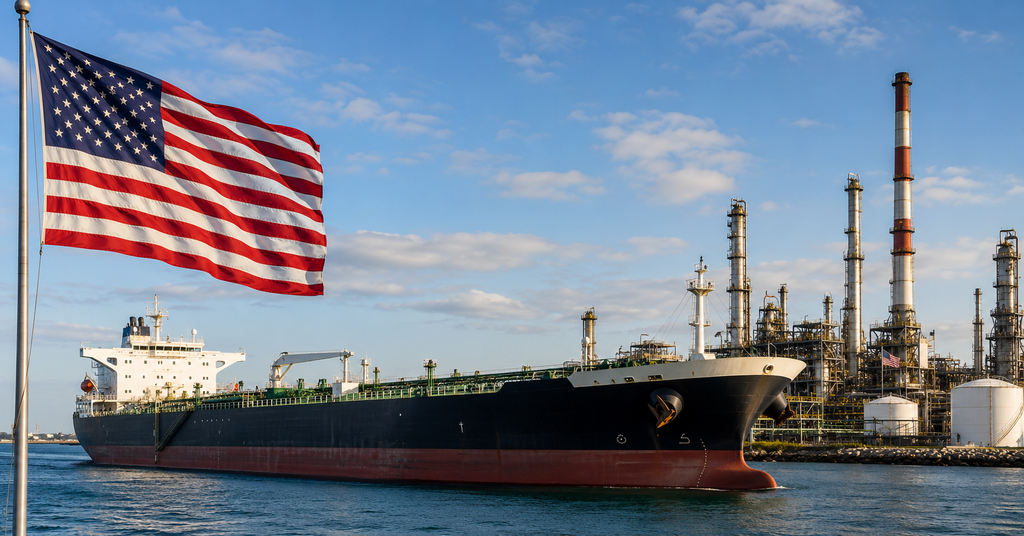
The United States already gets crude oil from several major producers.
A stronger Venezuelan oil industry could give American refineries another significant source of crude.
That could become particularly useful for refineries along the U.S. Gulf Coast, many of which are equipped to process heavier crude.
Venezuelan oil is generally considered heavy crude.
So increased Venezuelan production could fit into an existing part of the American refining system.
What About the $100 Billion Investment?
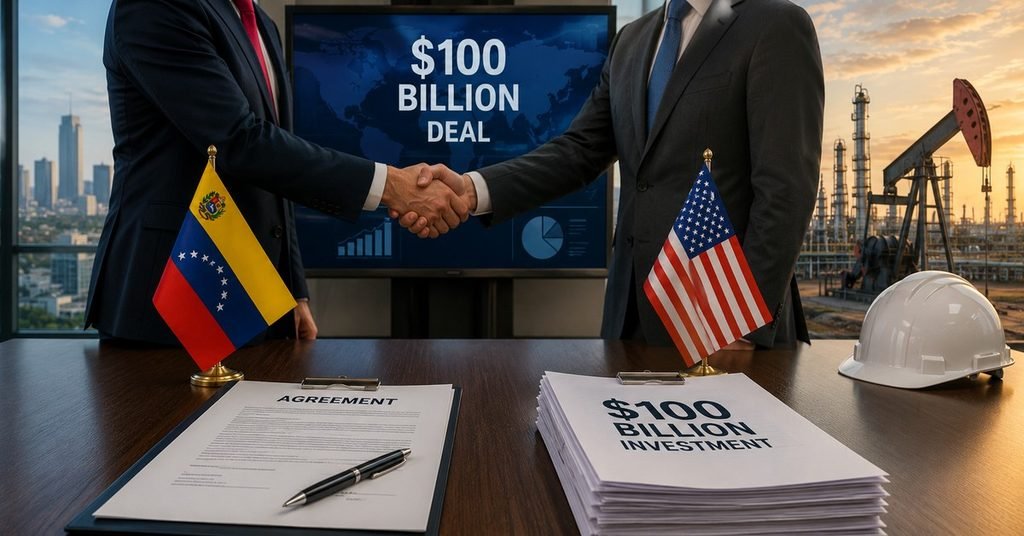
The Trump administration has discussed potentially bringing close to $100 billion in private investment into Venezuela’s energy sector.
That would be a massive investment.
But rebuilding an oil industry involves much more than drilling new wells.
Money would also be needed for:
- Oil wells
- Pipelines
- Refineries
- Storage facilities
- Ports
- Electricity infrastructure
- Transportation
- Oil-field equipment
If investment arrives on the scale being discussed, the impact could extend beyond the energy industry.
It could create jobs and generate additional revenue for Venezuela.
There Are Still Big Questions
Despite the huge headlines, several details about the agreement remain unclear.
The exact legal and financial structure will be particularly important.
Some of the biggest questions include:
- Which companies will operate the oil fields?
- How will profits be divided?
- How will Venezuelan laws apply?
- How quickly can production increase?
- Who will pay for infrastructure repairs?
- How much oil will eventually reach the United States?
These questions matter because oil projects require enormous amounts of money and can operate for decades.
Companies will want clear rules before making major investments.
Does Venezuela Still Own Its Oil?
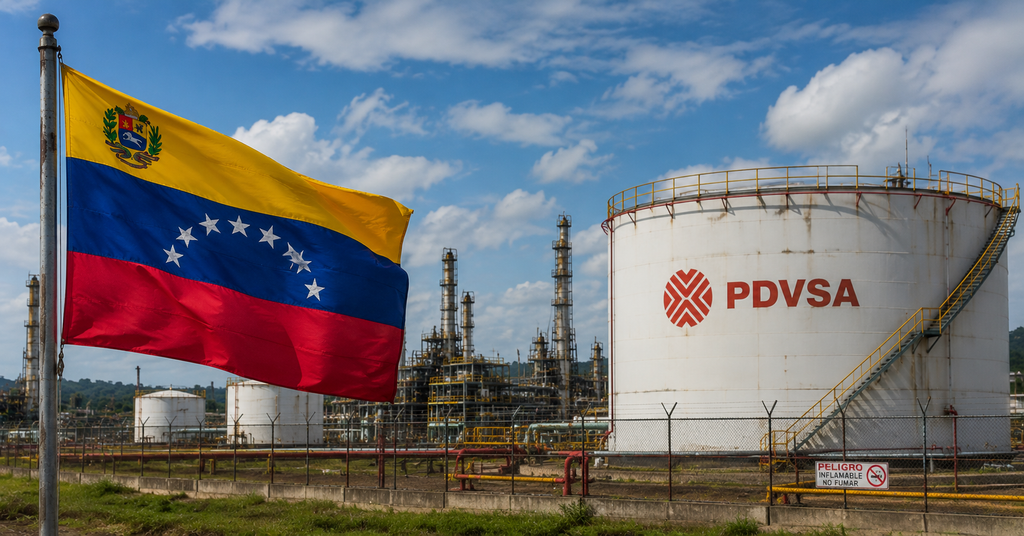
According to Venezuelan officials, yes.
Rodríguez has emphasized that Venezuela will maintain sovereignty over its natural resources.
The basic idea is that foreign companies would bring capital, technology and expertise into the industry.
Venezuela would then benefit from the resulting production and investment.
So it is more complicated than simply saying that the United States has bought Venezuela’s oil.
What Happens Next?
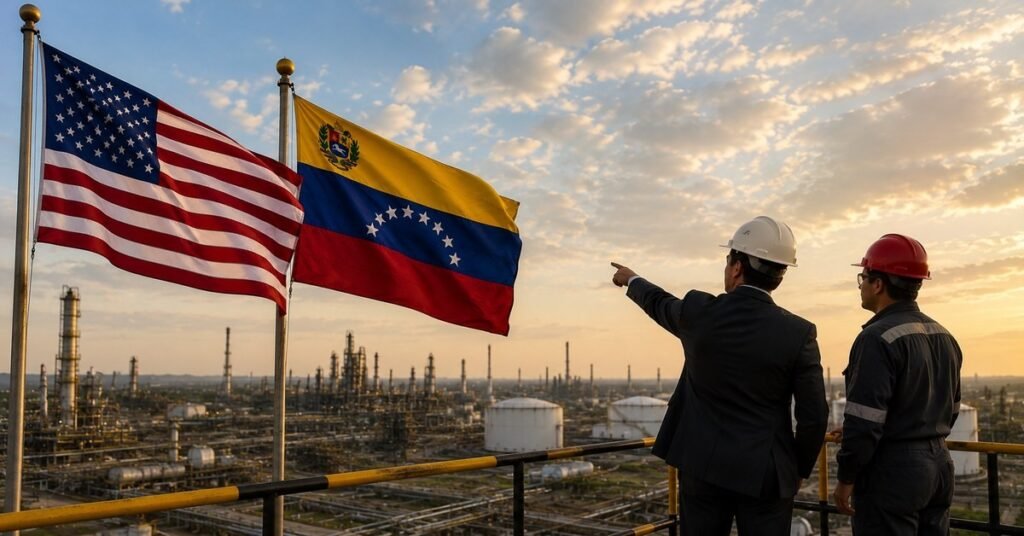
The announcement is only the beginning.
The next step will be turning the broad agreement into specific contracts and investment projects.
Companies will need to evaluate the oil fields and existing infrastructure.
Then the expensive work begins.
Wells may need to be repaired or developed.
Pipelines and other infrastructure may need to be upgraded.
Production will then have to increase gradually.
That process could take years.
Why This Could Be a Big Deal
If the agreement works as planned, it could change the relationship between the United States and Venezuela.
Venezuela could receive much-needed investment in its biggest industry.
American companies could gain greater access to Venezuelan crude.
The United States could gain another important source of oil.
And global oil markets could eventually see additional supply.
But none of those outcomes are guaranteed yet.
The Bottom Line
Trump’s Venezuela oil deal is a major development, but the biggest numbers should be understood carefully.
The agreement involves access and control over a huge amount of Venezuelan oil reserves.
It does not mean 65 billion barrels are suddenly available to American consumers.
The real test will be production.
If investment arrives and Venezuela successfully rebuilds its oil infrastructure, production could rise substantially over time.
That could eventually benefit both countries.
For Americans, it could mean another important source of crude and potentially greater stability in energy markets.
But cheaper gasoline is not guaranteed, and it certainly will not happen overnight.
The deal has been announced.
Now the bigger question is whether Venezuela can turn its enormous underground reserves into millions of additional barrels actually reaching the market.
FAQ
Did Trump make a deal with Venezuela for its oil?
Yes. Trump announced an agreement involving U.S. interests and more than 65 billion barrels of Venezuela’s proven oil reserves. However, the exact structure of the arrangement is more complicated than simply saying the U.S. bought Venezuela’s oil.
Does the U.S. now own Venezuela’s oil?
No. Venezuela says it will retain sovereignty over its natural resources. The agreement is expected to give U.S. interests a major role in developing and producing the oil.
How much oil does Venezuela have?
Venezuela has more than 300 billion barrels of proven crude oil reserves, making it the country with the world’s largest proven oil reserves.
Will this deal lower gas prices?
It could eventually put downward pressure on oil and gasoline prices if Venezuelan production increases significantly. However, there is no guarantee of cheaper gas immediately.
When will Venezuela start producing more oil?
It could take years. Venezuela needs major investment and infrastructure improvements before it can significantly increase production.
How long will the agreement last?
Venezuelan officials say the energy agreement is planned to last 25 years.
How much oil could Venezuela produce?
The initial target announced by Venezuela is more than 1.5 million barrels per day.
Why is the deal important for the United States?
It could give U.S. companies greater access to Venezuelan crude and provide another potential source of oil for American refineries. It could also become strategically important for U.S. energy security.